
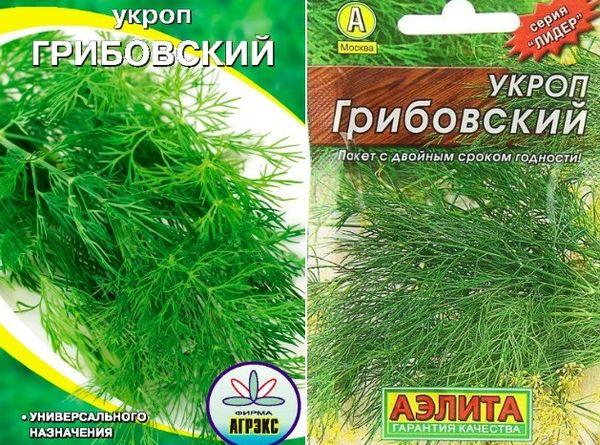
- Characteristics of Gribovsky dill
- History and geography of growth
- Description of leaves
- Productivity
- Sustainability
- Main differences from other varieties
- Pros and cons
- Where is the plant used?
- Cooking
- Traditional medicine
- Landing rules
- Time
- Selection and preparation of seeds
- Soil and plot
- Sowing patterns and depths
- Favorable and unfavorable neighbors
- Care
- Watering
- Top dressing
- Soil care
- Pests and diseases: treatment and prevention
- Gardeners' reviews of Gribovsky dill
Growing dill The Gribovsky variety has become popular in gardens due to its low maintenance. It has several advantages over other varieties. To obtain the desired harvest, it is recommended to follow the planting and care guidelines. Dill is used not only in cooking but also in folk medicine, thanks to its high content of valuable substances, vitamins, and essential oils.
Characteristics of Gribovsky dill
Dill is an annual crop and has a number of features that distinguish it from other varieties.
History and geography of growth
In the wild, dill is found in the southern, western, and central regions of Asia. As a garden crop, it is widespread throughout the world. The plant's native lands are considered to be Southern Europe, Egypt, and Asia Minor. Dill has been known here since ancient times.
Description of leaves
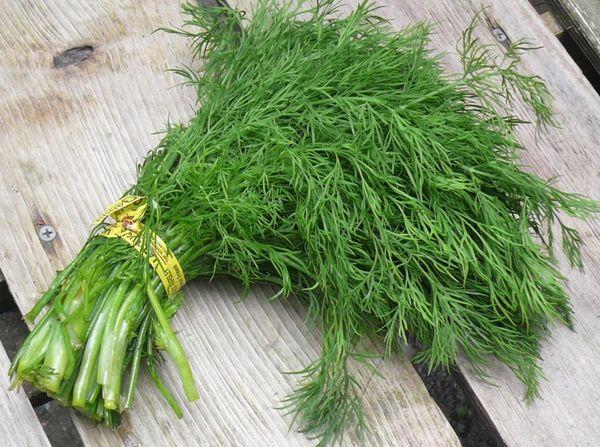
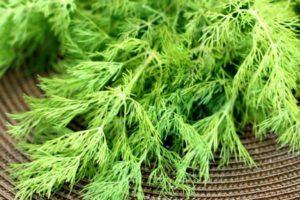
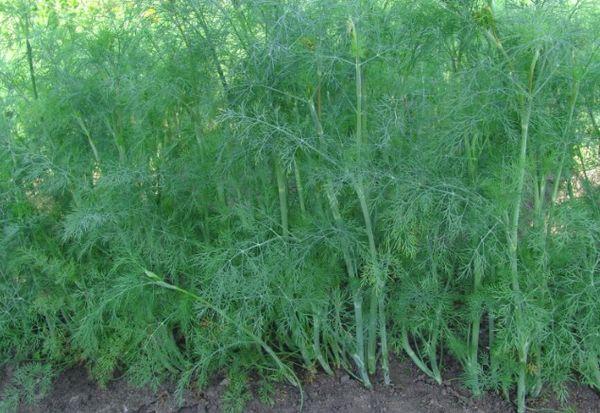
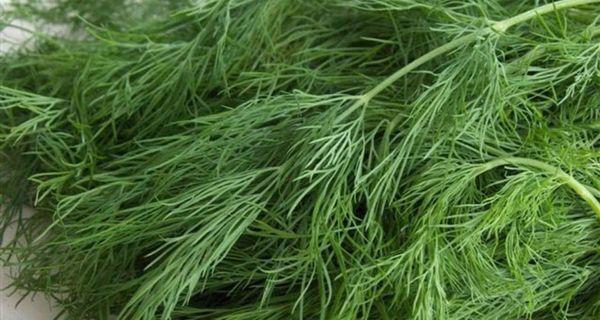
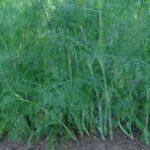
The leaves of this variety are dark green. Dill has a rich, distinctive aroma and a piquant flavor. The greens retain their flavor and nutritional value even after freezing. Dill shoots stand upright and reach a height of 25 centimeters. A single sprig weighs approximately 12 grams.
Productivity
Dill Gribovsky is an early ripening variety.
Seedlings appear 10-15 days after sowing, and harvesting occurs 35 days after the first shoots appear. They grow back quickly after cutting.
Sustainability
Resistance to low temperatures and the ability to quickly recover from stress are the main advantages of the Gribovsky variety. The plant can tolerate temperatures as low as -4 degrees Celsius. Seeds germinate at +3 degrees Celsius, and green foliage begins to form at +15 degrees Celsius.
Main differences from other varieties
Compared to late-season varieties, Gribovsky dill has fewer leaves, but they are characterized by a more intense aroma. This variety is recommended for early-season production of foliage, flowers, and seeds.
Pros and cons
Like any variety, Gribovsky has its positive and negative characteristics. The advantages include:
- fast germination;
- short ripening period;
- rapid growth and accumulation of abundant mass;
- disease resistance;
- excellent taste;
- resistance to temperature changes;
- undemanding in care;
- rich chemical composition.
A drawback of this variety is its tendency to self-seed. Gardeners will have to weed out areas where dill has self-sown and where it's not needed.
Where is the plant used?
Due to its rich chemical composition and taste, dill has found wide application.
Cooking
Fresh herbs pair beautifully with vegetables, adding a pleasant, distinctive aroma and flavor to salads. They're also ideal for garnishing with sprigs. Chopped herbs are recommended for sprinkling over first and second courses, meat appetizers, milk soups, stewed vegetables, and omelets. Dill adds a piquant flavor to new potatoes.
Greens retain their characteristic flavor perfectly when frozen. They can be added to soups and vegetable stews.
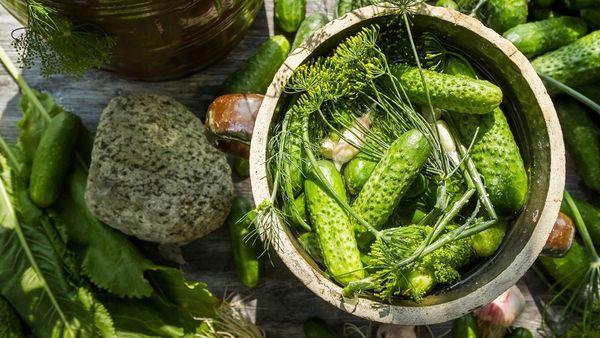
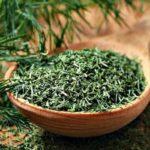
Fresh or dried dill umbels are used for preserving. Dried herbs are used as a seasoning and are often included in herb mixes.
The seeds are used to flavor herbal teas, marinades, and for marinating meat and fish.
Dill and its seeds are used to make aromatic oil.
Traditional medicine
Since dill greens and seeds contain a large number of macro- and microelements, vitamins, essential oils, and other compounds essential for the body, they are widely used not only in cooking, but also in alternative medicine.
Used for vitamin deficiency. Its constituent elements help strengthen the immune system, which is important during respiratory illnesses.
The seeds are used in cosmetology. Decoctions are prepared from the seeds to treat various ailments. A decoction of dill seed has an intestinal antispasmodic effect, improves digestive function, and is used to treat flatulence. It is sometimes used as a mild diuretic and expectorant.

The course of treatment is one week, with a 2-3 day break, after which the treatment continues for another week.
Landing rules
Dill is an unpretentious plant, but to achieve the desired result, it is recommended to follow the rules for seed preparation, planting, and care.
Time
To ensure a continuous harvest, sowing time is from April to July. It grows both outdoors and indoors. Therefore, if the right conditions are provided, sowing can take place in August.
Selection and preparation of seeds
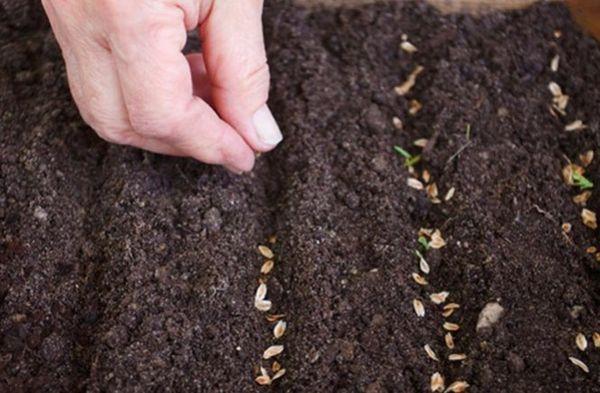
The planting material must be inspected, removing damaged or spoiled seeds. Before planting, it is recommended to place the seeds in cheesecloth or cloth and soak them for three days. Change the water at least five times. Dry the seeds before planting to facilitate sowing.
Soil and plot
It can be grown indoors and outdoors. Sunny sites are preferred when planting. The variety isn't picky about soil, but it's worth noting that dill doesn't like acidic soil. It prefers black soil, humus-rich sandy loam, or light loam.
Sowing patterns and depths
To obtain the desired yield, it is recommended to sow seeds in furrows 5 cm wide. The seeding depth is 2 cm, with a distance of up to 20 cm between rows. This arrangement will also facilitate care and harvesting.
The recommended density is 30 seeds per meter.
Favorable and unfavorable neighbors
It is not recommended to sow dill near carrots and celery. These plants often cause various diseases. Tomatoes, legumes, cabbage, and cucumbers are considered the best predecessors and neighbors.
Care
The plant is not demanding in terms of care; it is only important to follow the watering rules and keep the soil free of weeds.
Watering
After planting, watering is not necessary, otherwise the seeds will sink deeper into the soil, delaying germination. Moisten the soil before sowing. This variety is quite sensitive to moisture levels. This is an important feature. Excess water negatively impacts the essential oil levels in greens, reducing yields. Moderate watering is necessary.
Top dressing
Proper fertilizing can reduce the risk of plant diseases. Potassium and phosphorus are recommended, as they will boost the plant's immune system and resistance to disease. Manure should not be used, as it may harbor fungal spores.
Important! Dill quickly absorbs nitrates, so the use of chemicals is not recommended.
Soil care
The soil must be cleared of weeds regularly. Loosen the soil after each watering, trying to prevent crusting.
Pests and diseases: treatment and prevention
This variety is recognized as resistant to a number of diseases. Cases of disease are associated with the appearance of fungal infections. These include:
- powdery mildew;
- cecospora;
- phomosis.
To prevent damage to the greenery, it is recommended to follow proper care and fertilizing guidelines. It is not recommended to plant dill in the same location for several years.
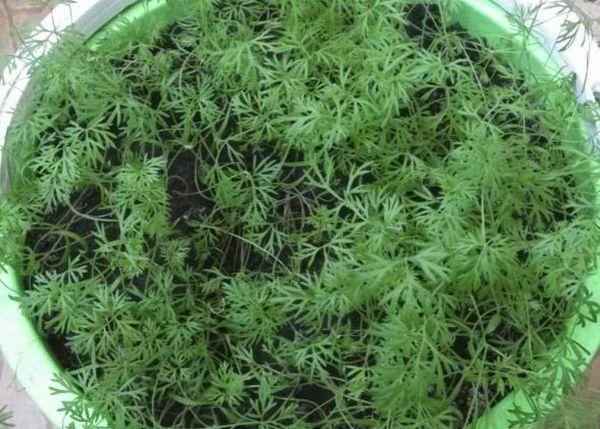
Greenery can be attacked by aphids, mites, and cicadas. These can be controlled only with traditional methods; pesticides are strictly avoided. Infusions of tobacco, potato tops, and ash are used.
Gardeners' reviews of Gribovsky dill
The Gribovsky variety can be judged by the reviews of experienced gardeners.
Tatiana, 34 years old.
"I've been growing this variety for years; my mother used to grow it. I really like the taste."
Yanina, 45 years old.
"I love this variety for its good germination rate and disease resistance. It's easy to grow: it grows wherever you sow it."
Related posts:
 How to choose the best dill varieties for growing greens without umbrellas in open ground and greenhouses
 Description of the best dill varieties for open ground and for greens, what the plant looks like
 Recipes for pickling fresh dill for the winter at home in jars, proportions, and storage
 Characteristics and description of the Alligator dill variety
 Basic rules for growing and caring for dill: how many days it takes for it to sprout, how it grows, and when it ripens into greens
 Growing bush dill for greens, describing its varieties, and harvesting
 Medicinal properties and contraindications of dried and fresh dill, its use in folk medicine
 What are the diseases and pests of dill and how to deal with them, simple methods