
- The history of the Chester blackberry breeding
- Description of the variety and brief characteristics
- Bush size
- Flowering and fruiting
- Application of berries
- Winter hardiness and drought resistance
- Immunity to diseases
- Are there any downsides?
- Landing
- Planting hole layout and dimensions
- Timing and technology
- Specifics of care
- Watering and fertilizing
- Pruning shrubs
- Loosening and mulching the soil
- Preparing for winter
- Disease prevention
- Reviews of the variety
The high yield, dense flesh, and exceptional frost resistance of the Chester blackberry variety make it an attractive crop for both amateur gardeners and agricultural producers.
The history of the Chester blackberry breeding
In 1985, American breeders at the Beltsville Research Center created another blackberry variety, called Chester Thornless, by cross-pollinating the semi-creeping Thornphy variety and the upright Darrow.
Description of the variety and brief characteristics
Chester differs from other thornless varieties in its winter hardiness (down to -30°C), drought tolerance, and high resistance to diseases and pests. It requires staking, but if desired, the bush can be trained, directing the branches in different directions without support.
Bush size
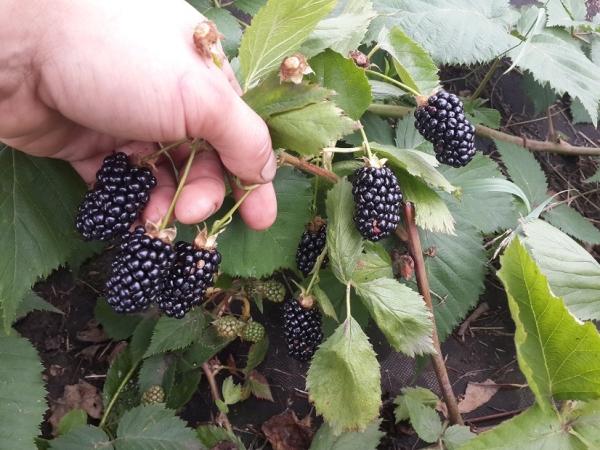
The flexible, powerful vines of the Chester blackberry develop quickly, growing up to three meters in length. This bushy, semi-creeping plant branches from buds located closer to the root. Fruiting shoots are erect. Trifoliate, dark green leaves with serrated edges extend toward the tips. This vigorous, lush bush with drooping tops not only supplies vitamins but also serves a decorative function, blending seamlessly into the garden's landscape design.
Flowering and fruiting
The Chester blackberry's white-pink flowers, with five large petals, bloom in clusters in June. This mid-late-bearing cultivar is self-fertile and requires no pollinators. Bee activity and wind are sufficient for fruit set.
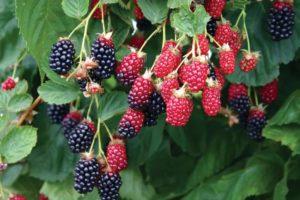
The berry ripening process extends from August to September. In southern regions, the fruit reaches technical maturity in the second half of July.
Because of its shorter harvest period than other varieties, Chester blackberries do not go into winter with green berries in any growing region.
The yield per bush is 10 kg. Under favorable growing conditions and proper agricultural practices, up to 20 kg can be obtained.
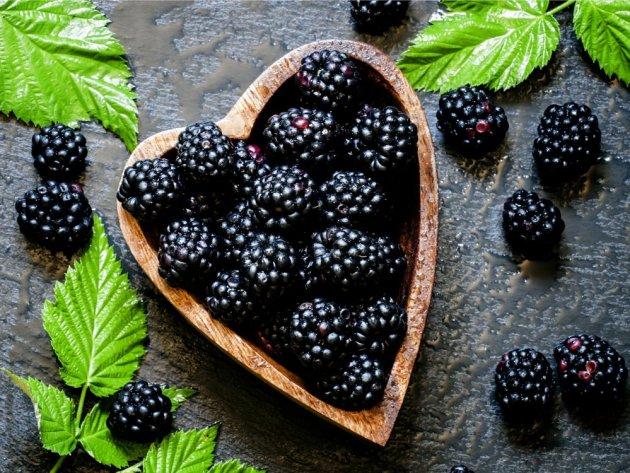
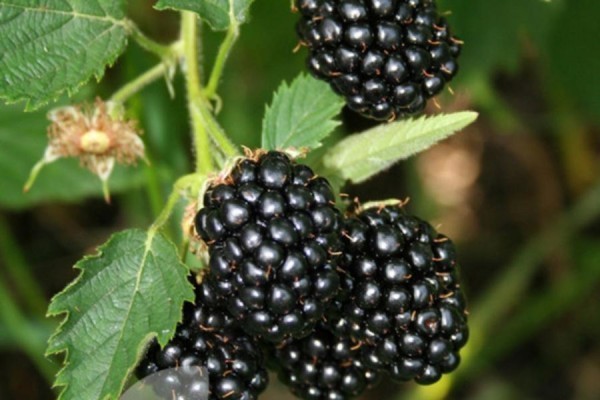
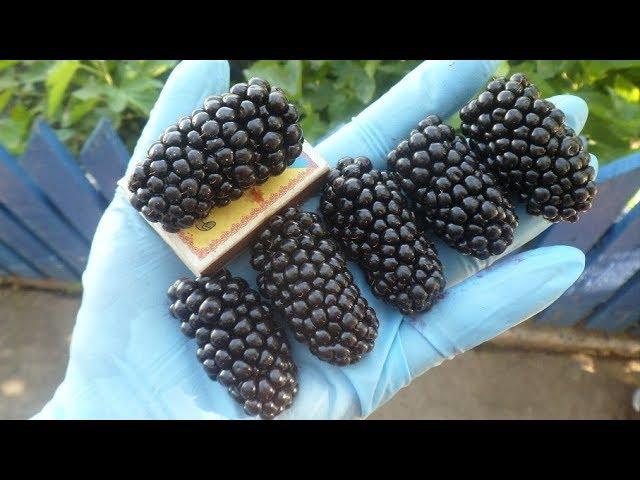
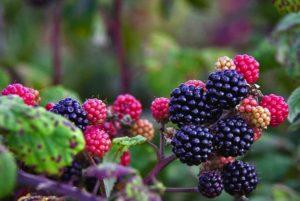
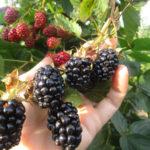
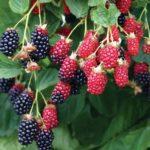
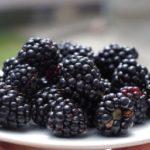
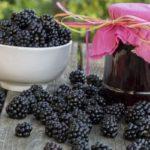
The lower part of the bush bears many more berries than the central, apical part. The black, purple-tinged fruits, weighing up to 8 g, grow up to 3 cm. The average berry weight is 4 g. The dense, refreshing flesh maintains its shape during long-term transportation and storage.
Application of berries
Among the varieties used commercially, farmers single out Chester for its sweet, tangy, mulberry-like flavor, which increases consumer demand for the berry.
The fruits are eaten fresh and used to make sweet homemade preserves.
Blackberry juice is not only delicious but also beneficial. In folk medicine, it is used to reduce fever due to viral infections, relieve inflammation and wound suppuration, and replenish vitamins and minerals.
Winter hardiness and drought resistance
The Chester variety is one of the most frost-hardy thornless varieties, withstanding temperatures down to -30°C. However, in central Russia, it does not overwinter on a trellis and requires insulation. The plant's drought tolerance does not negate abundant watering, especially during fruit formation.
Immunity to diseases
A strong, artificially developed immune system protects the plant from common rose diseases and pests. Resistance to fungi and rare insect infestations does not exempt gardeners from preventative maintenance, such as spraying the bushes with chemicals and folk remedies.
Are there any downsides?
Gardeners include the following disadvantages of Chester blackberries:
- Mandatory removal of Chester blackberry vines from supports and insulation in central Russia and further north.
- heterogeneity of fruits in case of abundant harvest;
- demanding for moisture and lighting.
The bushiness of the crop in the lower part of the plant makes it difficult to prepare for winter and insulate it.
Landing
The health of blackberry bushes, the volume and quality of the future harvest depend on adherence to the timing, scheme, and planting method.
Planting hole layout and dimensions
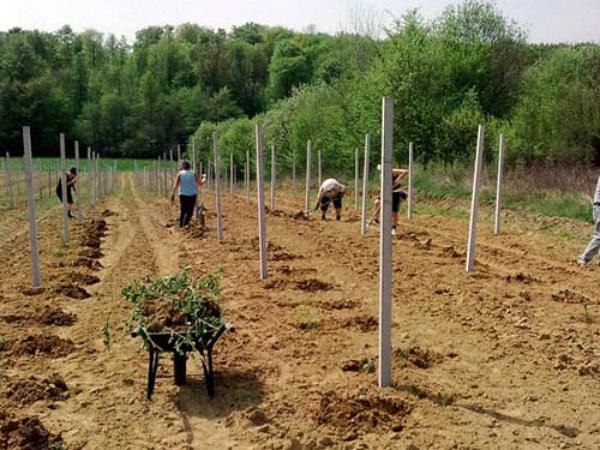
When planted en masse on farms, Chester blackberry seedlings are spaced 1.5 meters apart. Hobby gardeners, for ease of maintenance, prefer a more sparse arrangement, maintaining a distance of 2–3 meters between plants and rows.
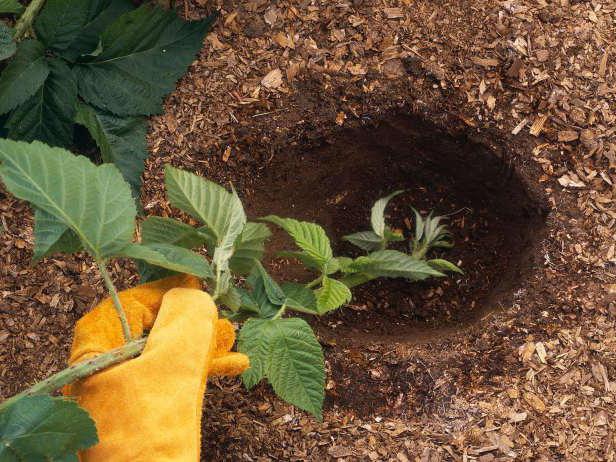
A planting hole half a meter wide and deep is prepared in advance. The topsoil is mixed with a bucket of compost, humus, and manure (preferably horse manure). Mineral fertilizers are added to the mixture: 50 g of potassium sulfate and 100 g of superphosphate.
Timing and technology
The Chester variety is planted in the fall in southern regions (September–October). In cold and temperate climates, the crop is planted in the spring before the sap begins to flow, when temperatures reach 10–12°C.
Chester blackberry planting method:
- a seedling, previously soaked in a root formation stimulator, is lowered onto a raised platform built in the hole;
- along the slopes of the hillock, multidirectional, intertwined roots are spread out;
- the plant is covered with prepared substrate;
- compact the soil from above and water it;
- mulch.
Take a look Also
After completing planting, the growth point should be 2 cm below the surface of the ground.
Specifics of care
Although the Chester blackberry variety isn't particularly fussy, there are some care nuances that need to be addressed. To get tasty, large fruits, you need to know the proper irrigation practices, the right fertilizers, and the right amounts to apply. Follow the recommendations for treating and covering the bushes for the winter.
Watering and fertilizing
Seedlings require abundant watering, 3 times a week, for the first 45 days after planting and during dry summers, at a rate of 10 liters. Fruit-bearing Chester blackberries require weekly irrigation during the growing season (5 buckets). Between the start of fruit set and when they reach technical maturity, the crop is watered twice a week, applying 30 liters of water under each bush.

Every three years, add 5 kg of compost, leaf mold, and 100 g of superphosphate, 30 g of ammonium nitrate, and potassium fertilizer to each mature plant. If organic matter is unavailable, nitroammophoska (NAP) is used.
An excess of micronutrients, just like a deficiency, is harmful to plants. Sometimes, in addition to basic fertilizers, a mulch of peat, sawdust, or rotted manure is sufficient for full growth.
During the fruit ripening period, the bushes are watered with an infusion of bird droppings, nettles, and mullein. In the fall, the plant requires potassium fertilizer.
Pruning shrubs
Each year after harvest, fruit-bearing branches are pruned. The shoots that grew this year are thinned out, leaving 5-6 of the strongest.
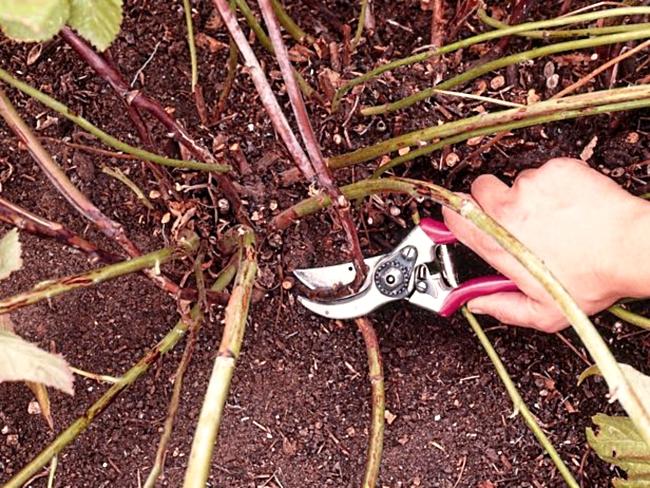
In the spring, after removing the covering material, check how the blackberries survived the winter. Remove any broken, frozen, or dried-out vines.
Loosening and mulching the soil
It's recommended to loosen the soil after watering and during weeding. Loosening the soil not only increases oxygen and moisture access to the rhizomes but also activates the blackberry's nutritional needs.
Mulching with peat, humus, sawdust, and straw makes caring for bushes easier.
Mulching results:
- the soil warms up faster, stimulating the development of shoots and accelerating the ripening of fruits;
- the quantity and intensity of irrigation is reduced;
- Organic matter from irrigation and soil digging is an additional source of beneficial microelements.
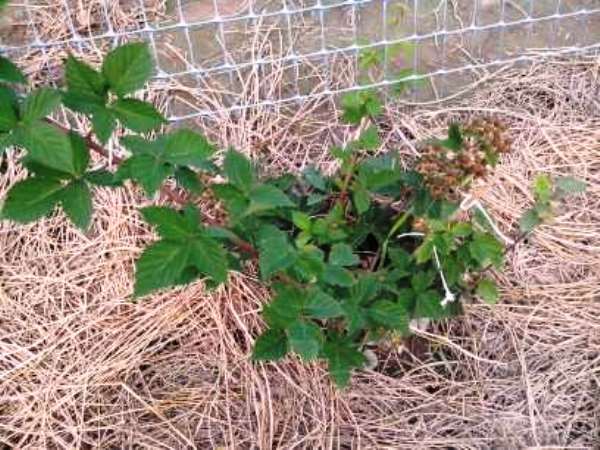
Mulch is used as an insulating material during the cold season.
Preparing for winter
The Chester blackberry vines are removed from the trellis, spent and excess shoots are trimmed, and they are bent to the ground. To ensure better contact between the vines and the ground, the branches are tied together and secured with staples.
Insulation with covering material is essential in temperate climates and Siberia. Vines growing in the south can be supported, but this is not recommended. The plant will not die, but yield will decrease due to temperature fluctuations in early spring.
Disease prevention
To prevent rot, spotting and insect attacks during the season, carry out the following agricultural work:
- introduce microelements necessary for the culture:
- follow recommendations for soil moisture;
- they do pruning to lighten the bushes;
- clear areas under bushes and between rows of biological waste.

In the fall, the soil is watered with a disinfectant solution of Aktara. In early spring and after fruiting, the vines are sprayed with Bordeaux mixture and copper sulfate. The insecticidal properties of garlic and onions planted nearby have been proven.
The drug Antikhrushch helps against insects that damage the root system.
Reviews of the variety
Chester blackberries are popular with farmers and gardeners for their high productivity and versatility in weather conditions. Users especially appreciate the plant's frost resistance and its ability to thrive in Siberia's long, frosty winters.
Marina Danilovna, 45 years old, Voronezh
Knowing how much space blackberries take up in my dacha, I hesitated for a long time to plant them. A neighbor helped me out by giving me a Chester sapling. One bush is more than enough. The plant produces so many berries that the leaves are overshadowed by them.
Vasily Mikhailovich, 62 years old, Ivanovo
I spent a long time choosing a winter-hardy blackberry variety that I could use without taking it down from the trellis for the winter. I bought a Chester, but a friend told me that in our central part of Russia, the plant doesn't survive until spring on a trellis.
Lyubov Glebovna, 39 years old, Vologda
I've been growing Chester blackberries for four years now. They're a bit tart for my taste, but the jams and compotes they make are wonderful.
Related posts:
 Description and characteristics of the Natchez blackberry variety, planting and care
 Description and characteristics of the 40 best blackberry varieties, yield indicators
 When and how to prune blackberries: timing and instructions for beginners
 How to care for blackberries in open ground, growing and planting
 Characteristics and description of the Thornfree blackberry variety, cultivation and care
 A simple recipe for making blackberry jam for the winter
 Description of thornless blackberry varieties and their cultivation, planting and care
 Timing and methods for propagating blackberries at home, planting rules