
When choosing fungicides, multi-component systemic formulations are preferred. The Phoenix Duo fungicide effectively protects cereals and other crops from diseases. To ensure effective application, it is important to follow the manufacturer's instructions for calculating the suspension application rate and the rules for preparing the working solution.
What is included in the composition and dosage form
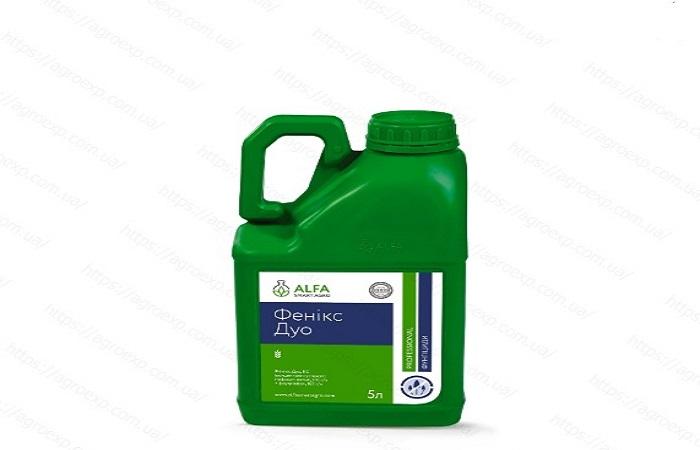
A two-component systemic fungicide is produced in the form of a concentrated suspension.
The active ingredients of the drug are:
- Flutriafol (187 g/liter) is used to combat powdery mildew and rust. The protective effect of the substance lasts for about two months, during which time a therapeutic effect is observed;
- Thiophanate-methyl (310 g/liter) is effective against scab, spotting pathogens, and powdery mildew fungi. It enters the plant through the root system and spreads throughout its vascular system. The substance also exhibits a therapeutic effect.
The drug is sold in 5-liter canisters.
Operating principle and purpose
The Phoenix Duo fungicide offers a broad spectrum of action against plant diseases. When applied to crops, its active ingredients inhibit fungal cell division and mycelial growth. The permeability of pathogen cell membranes is also impaired.
In addition to its fungicidal action, the product is used for therapeutic and preventative purposes. When applied to plants, the protective effect lasts 3-6 weeks (depending on the crop type, weather conditions, and infection).
Calculation of consumption
Since the product combats various diseases and is used to treat several plants, it is necessary to follow the manufacturer's recommendations for application rates.
| Name of the culture | Type of disease | Consumption rate, l/ha |
| Wheat, barley | Septoria leaf spot, rust, fusarium, powdery mildew | 0.5-0.6 |
| Peas | rust, ascochytosis, gray mold | 0.5-0.6 |
| Sugar beet | cercospora leaf spot, powdery mildew, ramularia | 0.3-0.4 |
| Apple | scab, powdery mildew | 0.15-0.2 |
| Sunflower | Alternaria, Phoma, Rust, White Rot | 0.6-0.8 |
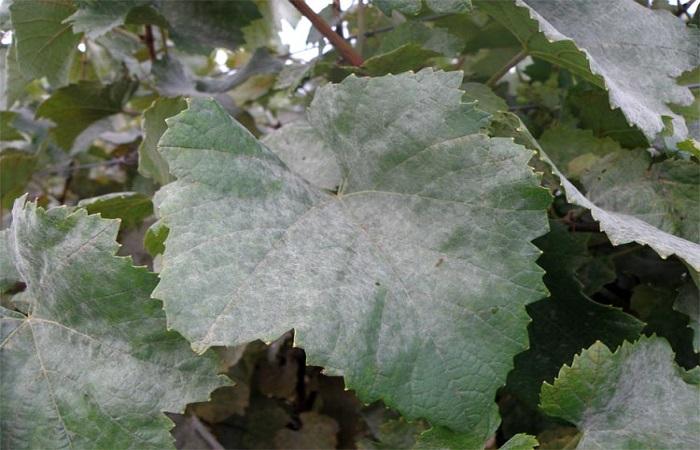
| Grape | oidium | 0.15 |
Rules of application
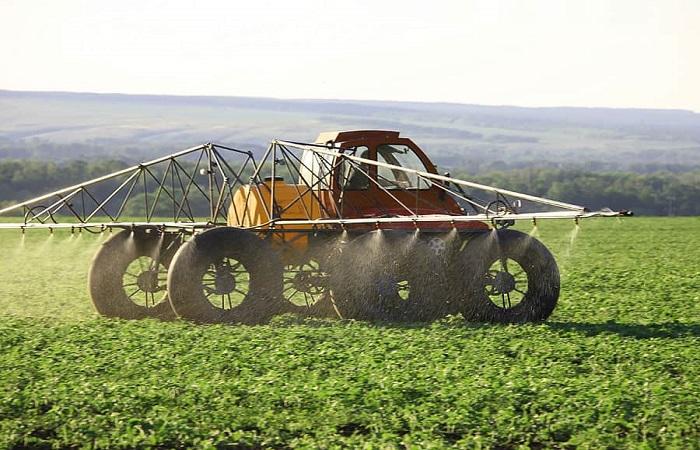
When spraying crops, it is necessary to maintain the concentration of the solution and take into account the application features:
- crops of wheat, barley, peas, sugar beets, and sunflowers are treated at least twice during the growing season;
- Apple trees and vineyards are sprayed 3-4 times per season.
The procedure for preparing the working solution is standard: dilute a portion of the suspension with a small amount of water (approximately 1/3 of the total volume). Then pour it into a sprayer tank filled 2/3 full with liquid, stirring constantly.
Precautionary measures
The fungicide "Phoenix Duo" is classified as hazard class 3 for bees and hazard class 2 for humans. When spraying plants, wear protective clothing (made of a specially impregnated blended fabric) that covers the arms and legs, a hat, goggles, and a particulate respirator. After spraying, thoroughly clean the protective equipment without removing gloves. Disinfect the facepieces of the respirator with an alcohol-soaked wipe.
Storage conditions and periods
Separate, dry, and well-ventilated storage areas are designated for storing the suspension. Do not store the fungicide in the same area as food or animal feed. Canisters can be placed on pallets or racks (three tiers high). The suspension has a shelf life of 36 months.

What to replace it with
Other preparations for spraying plant crops can be used as analogues.
- The fungicide "Abacus" is a new-generation two-component product. Its active ingredients, pyraclostrobin and epoxiconazole, are effective against powdery mildew, root rot, leaf spot, and rust. Its advantages include long-lasting protective properties and improved plant resistance to stress.
- The active ingredient in the fungicide "Dr. Crop" is carbendazim. It is used as a seed dressing and has a preventative and curative effect on sugar beets. The fungicide is non-toxic, and its protective effect lasts for 10-14 days.
Phoenix Duo is popular among farmers due to its long-lasting protective action and combined therapeutic and fumigation effects. The advantage of a suspension is that the working solution spreads quickly throughout the plant, providing complete protection against diseases.
Related posts:
 Types of garden fungicides and descriptions of the top 24 best, instructions for use
 List of the top 16 fungicides for grapes and instructions for their use
 Instructions for using Falcon fungicide for treating grapes
 Types of fungicides for cucumbers in a greenhouse and instructions for use
 Instructions for using the top 17 fungicides for tomatoes and their types
 Composition and instructions for use of the Bravo fungicide, application rates and analogues
 Instructions for use and application rates of the fungicide Horus for different crops
 Instructions for use and composition of the fungicide Raek, application rates and analogues