
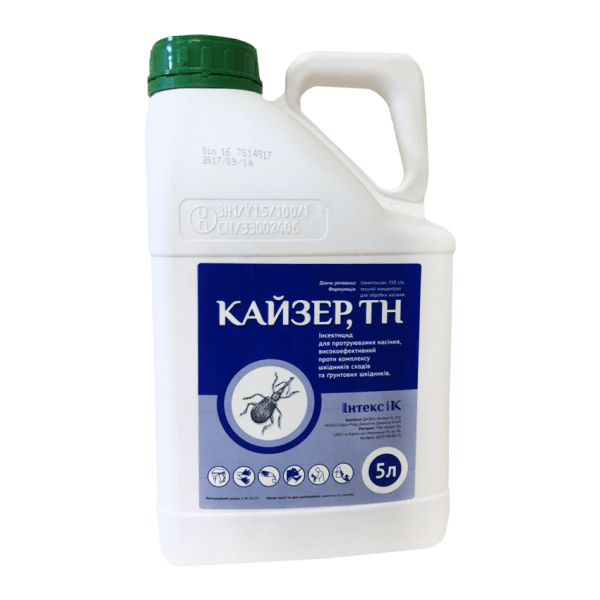
Kaiser seed treatment is a systemic insecticide used to treat the seeds of various crops. It can be used on cereals, sugar beets, rapeseed, and potato tubers. The product exhibits high translaminar, systemic, and contact-intestinal activity. Parasites are killed within a few hours of application.
Active ingredient and formulation of an intestinal-contact insecticide
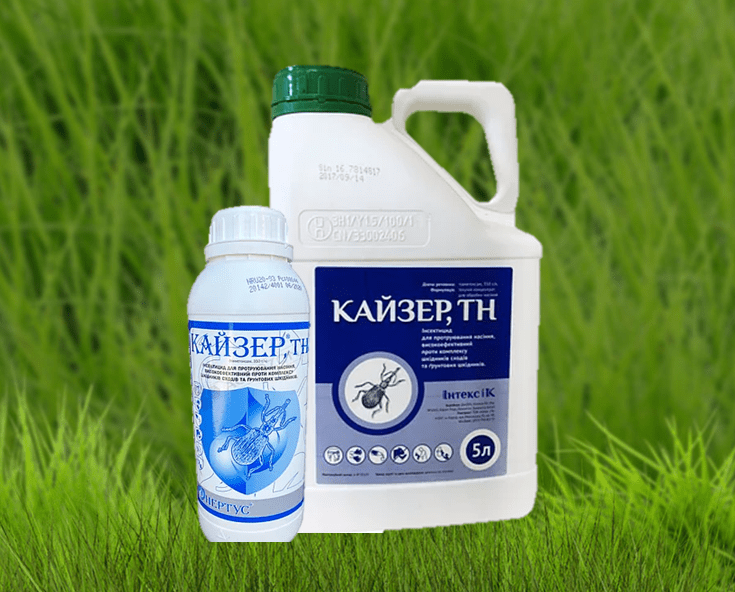
The active ingredient in this product is thiamethoxam. One liter contains 350 grams of the active ingredient. The product is produced as a flowable concentrate for seed treatment. It is sold in 1- and 5-liter containers.
Mechanism of action
The active ingredient in this product is a neonicotinoid. It dissolves within the treated seeds. As they germinate, the protective effect moves upward, toward the vulnerable foliage. This ensures continuous protection. It initially protects the roots, then the upper part of the crop. This effect manifests itself as the plant develops. The product paralyzes the pests, killing them within 24 hours of exposure.
The main advantages of this product include the following:
- made in Europe;
- reliable protection against many parasites;
- no risk of suppression of seedlings and roots of cultivated plants;
- the ability to be used in hot weather and drought – this is the main difference between the drug and other neonicotinoids;
- minimal consumption of active substance – this helps to significantly reduce the pesticide load;
- the possibility of pre-treatment of seed material - this can be done 1 year in advance;
- good seed coverage and strong retention on their surface;
- The product is released in liquid form – this helps to avoid dust formation during etching.
What is it used for?
The product can be used to treat seeds of a wide variety of crops, including sugar beets, wheat, barley, mustard, potatoes, and corn. It also protects crops from a wide range of dangerous pests. These include:
- weevils;
- wireworms;
- aphid;
- Swedish flies;
- sawflies;
- cereal flies;
- cicadas;
- Colorado potato beetles.
Dosage and instructions for use
To ensure the desired effect, it's important to follow the instructions for use. The dosages are listed in the table:
| Application rate | Plants | Parasites | Features of application | Waiting period (number of treatments) |
| 0.5-1 | Barley, wheat | Ground beetle, flea beetles, aphids, stem flies, leafhoppers | For 1 ton of seed material it is worth using up to 10 liters of working solution. | — (1) |
| 0.5 | Wheat | Bread ground beetle | Seeds can be treated immediately before planting or in advance. Use 10 liters of working solution per ton. | — (1) |
| 8-12 | Sugar beet | Pests of sprouts | Seeds should be treated immediately before planting or in advance for 4.5-5.5 mm grain sizes. Use 15 liters of working solution per 1 ton of seed. | — (1) |
| 10-14 | Sugar beet | Pests of sprouts | Seeds should be treated immediately before planting or in advance for a 3.5-4.5 mm grain size and for pelleting. In this case, 25 liters of working solution should be used per ton. | — (1) |
| 8-10 | Mustard, rapeseed | Cruciferous flea beetles | It is recommended to treat seeds before planting or in advance. Use 15 liters of working solution per ton. | — (1) |
| 8-10 | Sunflower | Wireworms and false wireworms | It is recommended to treat seeds before planting or in advance. Use 15 liters of the solution per ton. | — (1) |
| 0.2-0.22 | Potato | Wireworms, Colorado potato beetles, false wireworms | The solution is used to treat tubers. Apply 10 liters of the working solution per ton. | 60 (1) |
| 6-9 | Corn | Flea beetles, stem flies, wireworms, false wireworms | Seeds can be treated before planting or up to one year in advance. Use 10 liters of working solution per ton. | 60 (1) |
When using the substance, it is recommended to focus on the following features:
- This seed dressing is sold ready-to-use. It contains an adhesive and a dye.
- The composition can be used neat or mixed with water. The specific method depends on the equipment available.
- Do not use the product on sprouted, cracked, or excessively damp seeds. Seeds must be clean and free of impurities. Only then will you achieve high-quality results.
- Regularly monitor the quality of the treatment. This requires visual inspection to ensure the seeds are evenly coated. The degree of coloration and the application rate of the treatment help monitor the quality of the treatment.
- You cannot treat seeds that have been treated with other agents.
- Store treated grains in a cool, well-ventilated place. If the storage period exceeds six months, a laboratory germination test is required before planting.
Preparing the working solution requires several considerations. It is recommended to use the mixture immediately after mixing. To prepare the working solution, fill the tank of the etching machine one-third full with water. Then, add the required amount of solution and mix for 3-5 minutes. Then, add water to obtain the required volume and mix for another 3-5 minutes.
Safety precautions
To prevent harm to your health, the product must be used correctly. It's important to remember safety precautions. When working with the seed dressing, personal protective equipment is required. Wear gloves, goggles, and a respirator.
What can it be combined with?
The product can be combined with many pesticides and chemicals with a neutral pH. It can be applied in mixtures with fungicides. However, compatibility assessment is required beforehand.
How and how long to store
The medication should be stored in its original packaging in a cool, dry place at temperatures between -5 and +25°C. The shelf life is 3 years.
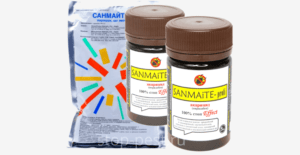
What to replace it with
Effective analogues of the drug include:
- "Aktara";
- "Insector";
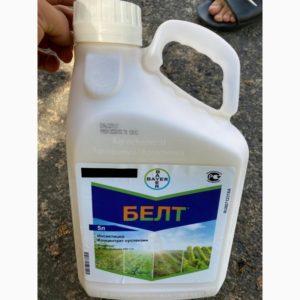
- "Shell";
- "Tiamax".
"Kaiser" is an effective seed treatment that reliably protects plants from pests.
Related posts:
 Is it possible to soak treated cucumber seeds before planting and how to do it correctly?
 Instructions for use of the Klad seed dressing, composition of the fungicide and its analogues
 Methods for planting and propagating cherries at home
 Methods of dealing with caterpillars on apple trees, how to treat them correctly and what is the best way to do it
 The best eggplant varieties for growing in a polycarbonate greenhouse: planting and care
 Nitrophoska composition and instructions for use of fertilizer, errors
 Instructions for use of Aquamix and the composition of the fertilizer, purpose
 Carrot care guidelines for outdoor cultivation to ensure a good harvest