
The mid-early cucumber Asterix F1 was developed by a Dutch company and is included in the State Register of Breeding Achievements. This variety requires bees for pollination and adapts well to adverse growing conditions.
Advantages of a hybrid
The Asterix F1 cucumber variety, whose description indicates the necessary involvement of bees in the pollination process, is characterized by a long fruiting period and high productivity. From germination to the first harvest, it takes 48-52 days.
The plant is vigorous, medium-sized, with a well-developed root system, which facilitates better absorption of moisture and useful components found in the soil.
A distinctive feature of this variety is that the first fruits are concentrated on the main stem. The lateral shoots are poorly developed, so the fruits rarely ripen fully on them.
The hybrid is characterized by predominantly female flowering. The Asterix cucumber variety has an excellent regenerative system. The leaves are deep green, medium-sized, and have slightly wavy edges.
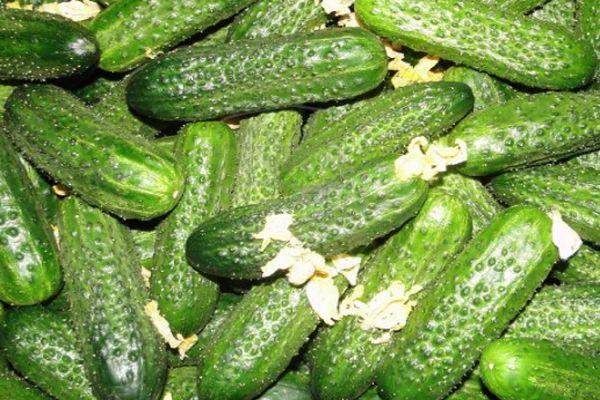
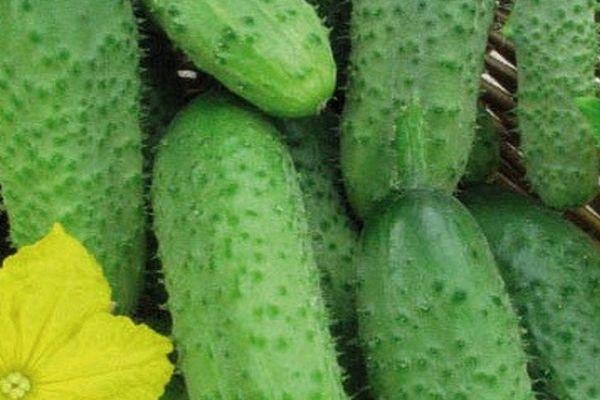
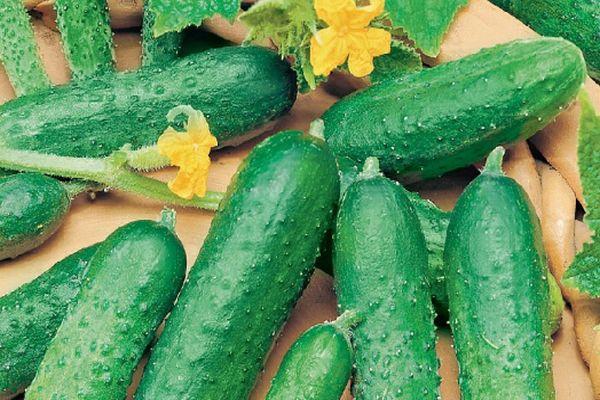
Asterix cucumbers, whose description is based on their taste, have a moderately bumpy surface. The spines are white, and the thin, intensely green skin is spotted and white striped halfway down the fruit.
The fruits are cylindrical, with a ribbed surface and excellent flesh consistency, genetically free of bitterness. Fruits weigh 70-90 g and are 10-12 cm long. The length-to-diameter ratio is 2.5:1. The hybrid yield reaches 133-333 c/ha. Marketable produce accounts for 80-97% of the total harvest.
In cooking, gherkins are used for pickling, marinating, and fresh eating. For cosmetic purposes, the fruits are used in cucumber masks. This variety tolerates extreme conditions well, adapting to drought and hot climates, making it an ideal choice for cultivation in southern regions.

The characteristics of the Asterix hybrid indicate resistance to powdery mildew, cladosporiosis, cucumber mosaic virus, and olive spot. The variety is tolerant to downy mildew.
Cultivation techniques
It is not recommended to soak the seeds before planting them in the soil; they are treated with a fungicide to prevent fungal infection. The Asterix hybrid is grown by direct sowing or seedlings.
The first method involves planting the seeds in a permanent location in open ground after warming it to 20°C during the day. The prepared holes or furrows are filled with humus, peat, and complex fertilizer, watered, and the seeds are placed 2 cm apart.
After mulching the seedings with peat, the furrows are covered with plastic film to create a greenhouse effect. Planting in greenhouses takes place in the first ten days of May.
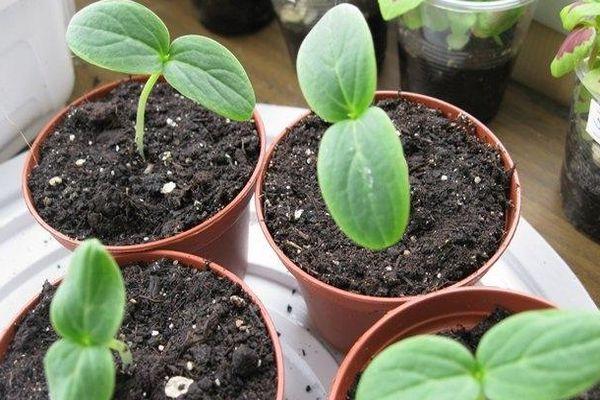
Growing the crop from seedlings allows for early harvest. For planting seeds, it's best to use a soil mixture consisting of peat, sand, and garden soil.
Before sowing, disinfect the soil and container. It is not recommended to use containers that once held fermented milk products. To ensure uniform germination, maintain an optimal air temperature of 21 to 25°C.
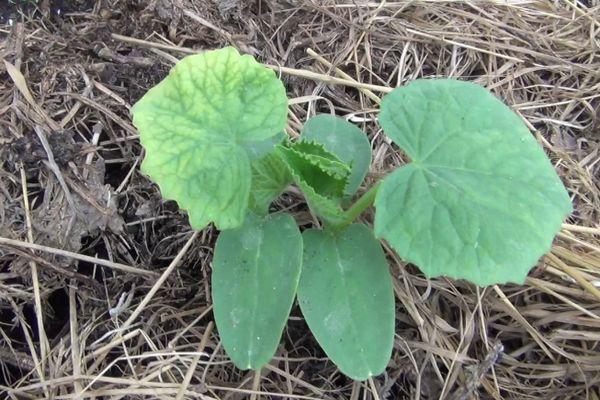
When cultivating this variety, it's important to keep in mind that seedlings react negatively to direct sunlight. Therefore, they should be initially shaded, and after a while, the first harvest will be dependent on the sun.
Rules for caring for cucumbers
To achieve high yields and high-quality produce, it's important to follow basic procedures and consider the crop's biological properties. Fruits thrive on moisture, so ensure consistent watering 4-6 times a week. The soil surface should always be moist and protected from drying out with a layer of mulch.
Air access to the roots can be ensured by shallow loosening of the soil. This technique takes into account the specific location of the root system, which can be damaged by deep loosening.

To ensure normal crop development, apply a multivitamin fertilizer once a month. As the description indicates, the Asterix hybrid is ideal for any soil type, so timely implementation of agricultural practices is key to a successful harvest.
Opinions and recommendations
Positive reviews from vegetable growers attest to the variety's ease of cultivation and excellent fruit flavor. Although recently developed, it has already become popular among gardeners, who note that the cucumbers resemble gherkins.
The disadvantage of the hybrid is its low resistance to prolonged cold spells. Vegetable growers report a bountiful harvest. They recommend harvesting the fruit promptly, as overripe greens lose their flavor.
Related posts:
 80 Best Eggplant Varieties for Different Regions with Descriptions and Characteristics
 The best grape varieties for growing in the Urals, planting and care rules in summer
 Descriptions of the 20 best cherry varieties for the Moscow region, their planting and care
 Description and characteristics of the 60 best sea buckthorn varieties, how to choose depending on the region
 50 Best Pumpkin Varieties with Descriptions and Characteristics for Outdoor Planting
 Description and characteristics of the 40 best blackberry varieties, yield indicators
 A description of the best eggplant varieties for growing in greenhouses and open ground in the Moscow region.
 Beginner's Guide to Growing Grapes in Open Ground in Central Russia
Excellent cucumber, but to get it in even larger quantities I would recommend using BioGrow, an excellent tool thanks to which growth is ultimately significant.