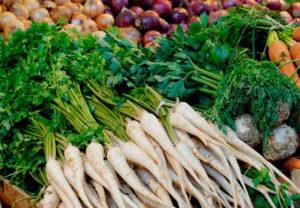
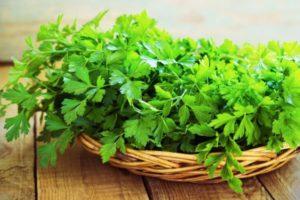
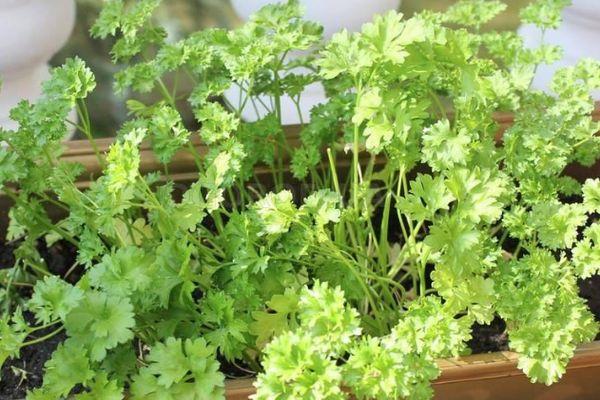
Parsley is a common plant in the celery family. Its high content of vitamins, macro-, and micronutrients makes it an important part of the human diet. Parsley enhances the flavor of many foods, allowing it to be used in a variety of recipes. Growing the plant is quite painstaking. Unfortunately, parsley diseases are difficult to avoid. These diseases significantly affect the plant's properties, making it unsuitable for consumption.
Parsley diseases
To grow healthy plants in your garden, you need to know why certain diseases occur. Their main causative agents are fungal microorganisms.
The diseases have similar symptoms, however, there are some features that make it possible to distinguish them from each other..
Powdery mildew
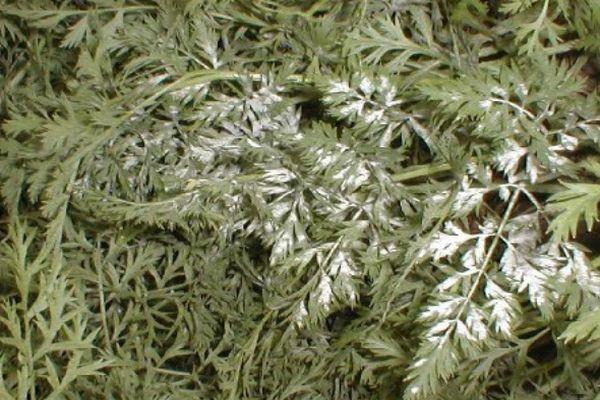
A fairly common form of plant disease. It affects various parts of the plant: leaves, stems, and petioles. Powdery mildew is caused by the fungus Erysiphe umbelliferarum. Its appearance on the affected area is accompanied by a white coating. Over time, if left untreated, this coating turns dark gray. Infection occurs through spores of previously infected plants, where the fungal microorganisms have survived.
Stolbur
The disease is caused by Phytoplasma. Leafhoppers are the vectors. The prevalence of stolbur depends on weather conditions and the migration of the vectors. After infection, the disease typically takes a month to manifest.
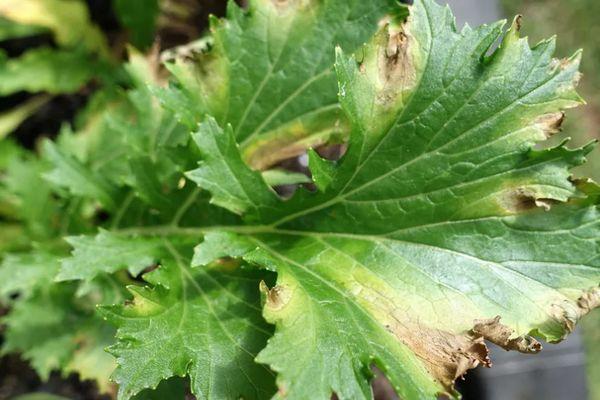
It manifests as leaf chlorosis. The leaf margins are affected first, then the entire surface. Eventually, the affected area turns red. Stolbur on parsley causes the plant to fail to establish, stunt growth, and dry out.
Septoria or white spot of parsley
This disease is one of the most common in the celery family. The pathogen is fungal in origin. It spreads through spores carried by wind, rain, and from infected plants to healthy ones. Moist conditions are a favorable environment for the microorganism. The fungus can persist in the soil for a long time, thereby infecting new seedlings.
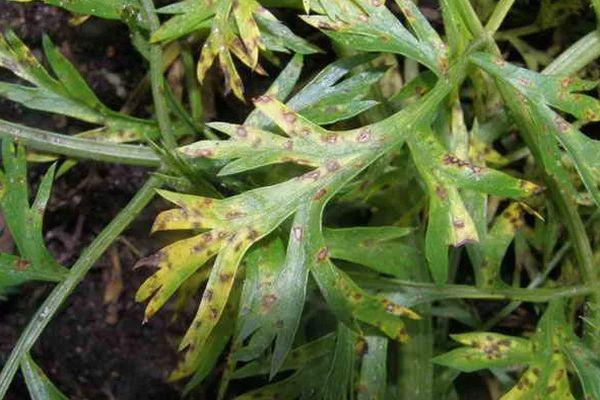
Septoria leaf spot can be recognized by the appearance of irregularly shaped brown spots. They appear on the leaves, petioles, and stems of this crop. Over time, the spots become dirty white with a brown border. The plant then turns yellow and dries out, retaining fungal spores in its remains.
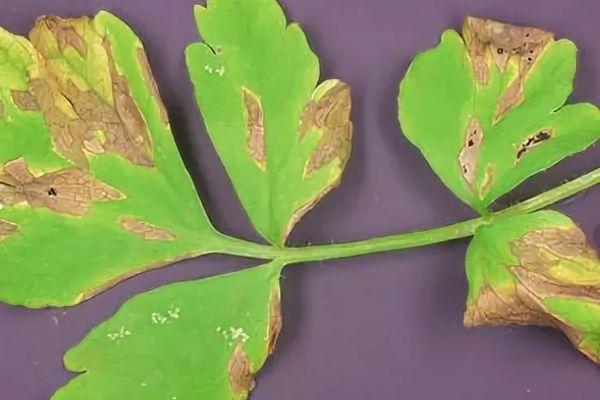
Rust
The disease is caused by a fungal pathogen. Brown-yellow spots appear on the underside of the leaf. The disease then spreads to the stem and petioles. The affected areas turn brown. In the final stage, they take on a dark brown appearance. Multiple lesions merge into one, forming a single, continuous spot.
Jaundice
This refers to a type of parsley disease. It is caused by the Cucumber mosaic virus. It is transmitted by aphids. Yellows can be recognized by noticing yellowing of the leaf veins. This is accompanied by extensive branching of the stem.
Variegated dwarfism
A rare disease characterized by stunted plant development. Stem and leaf length decreases. Dwarfism is transmitted by aphids. The causative agent is the Carrot mottle virus, found in the sap of infected plants.
Spotted bacteriosis
A fairly common plant disease caused by the bacterium Xanthomonas campestris pv. campestris Dye. The disease is transmitted through plant debris and seeds of previously infected plants. Bacterial spotting appears as yellow, circular spots on the leaves, which quickly turn brown.
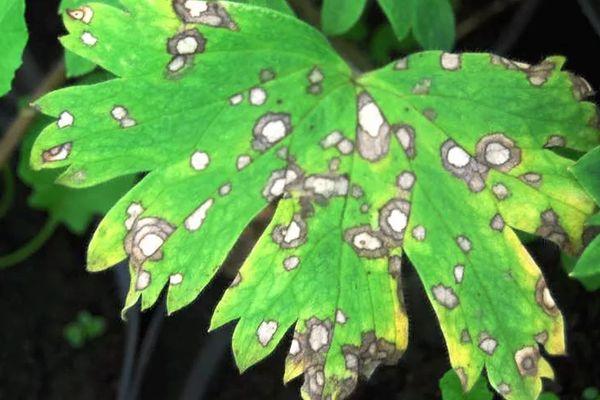
This process causes the affected area to dry out. Exudate appears in the form of grayish-white droplets. The pathogen causing spotted bacteriosis can persist in the soil for a long time, allowing the disease to spread widely.
Fomoz
Another name for this disease is dry brown rot. It is one of the most dangerous plant diseases. It affects parsley seed heads and roots. A damp, warm environment favors the spread of brown rot. Infection is caused by the fungus Phoma rostrupii Sacc.
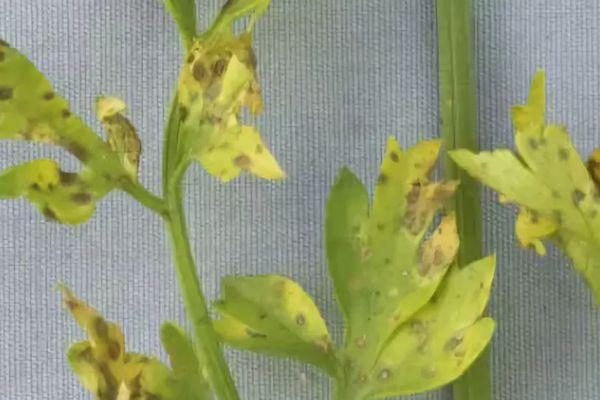
The pathogen can spread through infected plant debris and seeds. Phoma leaf spot appears as grayish-brown spots on parsley leaves and stems. The affected areas eventually dry out and become brittle.

Peronosporosis
Downy mildew is another name for this parsley disease. It most often occurs in greenhouses during the fall and winter. It is caused by the fungus Plasmopara nivea Schr, which is extremely harmful to the celery family. The microorganism spreads rapidly in warm and humid weather.
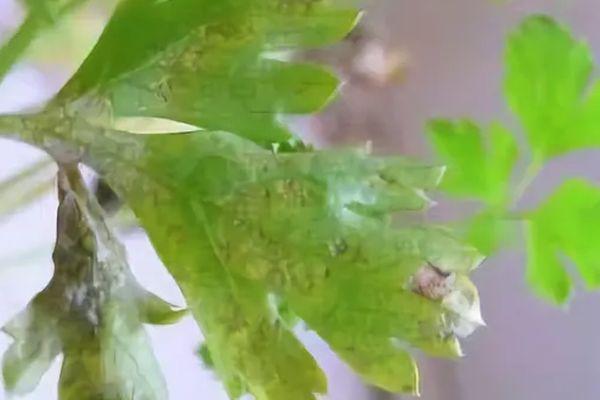
The disease is transmitted by fungal spores from plant debris landing on parsley leaves. Downy mildew manifests as pale spots on the plant's leaves. The leaves then turn yellow, eventually turning brown. Over time, the parsley plants stop growing and dry out.
Controlling parsley diseases
To combat parsley diseases, it's important to follow certain recommendations. If an infestation occurs, it's important to identify the pathogen to determine what steps to take to combat the microorganism.
The following activities are recommended:
- Breeding resistant varieties. These include Natalka, Freska, Stihiya, Titan, and Novas. These varieties are less susceptible to disease, allowing them to be grown without yield losses.
- Follow planting guidelines. Greens are best planted in dry soil. Potassium and phosphorus fertilizers are recommended.
- Use select seeds. This will minimize the risk of various diseases.
- Disinfect the semen. To do this, soak it in hot water for 25 minutes, then dry it in a drying oven for 2 days. Formaldehyde and potassium permanganate solutions are also used for disinfection.
- Rotate growing locations. Avoid planting seeds in the same spot. This helps prevent the spread of many fungal diseases.
By following all of the above preventative measures, you can reduce the risk of parsley diseases.
A healthy plant will provide the body with essential vitamins, macro- and microelements, and will add variety to the taste of dishes.
Related posts:
 The best recipes for harvesting parsley for the winter at home
 The use of parsley root for medicinal purposes, properties and contraindications for use
 How to grow parsley in the open ground at your dacha, planting and care instructions, and harvesting times
 Proper sowing of parsley in open ground before winter, which variety to choose, planting and care
 When is the best time to plant parsley seeds in open ground, growing and care
 How to grow parsley on a windowsill in winter and recommendations for caring for the crop at home
 Recipes for inducing menstruation with parsley seeds, how much you need to eat to speed it up
 Description and cultivation of root parsley, planting and care in open ground