
It's common to add apples or other fruits or berries to gooseberry compote to give the drink a more vibrant color and flavor. This berry isn't as common in cooking as strawberries or raspberries, and is even less commonly used in home preserves. You won't find it on store shelves, and only occasionally do homeowners offer gooseberries from their own gardens at the market. However, it grows abundantly and bears fruit in many garden plots.
This berry is worth a closer look. It belongs to the currant genus, tastes like grapes, and has even earned the nickname "northern grape." It's also known as "little kiwi." Gooseberries contain pectin, sugars, organic acids, and tannins, not to mention vitamins. This means they can confidently boast diuretic and laxative properties, as well as benefits in combating iron deficiency anemia.
The presence of pectin, with its gelling properties, makes it possible to obtain gooseberry makes excellent jams and jelliesIt's also used to make jams and compotes. Berries of varying degrees of ripeness can be processed.
How to make gooseberry and apple compote
Of course, eating berries straight from the bush is much tastier and, what's more, healthier. However, there are usually so many ripening that it's impossible to eat them all. Making compote for the winter, adding gooseberries and any other berries from the garden to the fruit, is a great solution.
Brew it with apples, and the drink will acquire sweetness and aroma, while the berries themselves will impart a tart, unusual flavor. There's no better way to quench your thirst.
And remember the little secrets:
- Before cooking, berries are usually pierced with a needle (you can use a toothpick) to prevent them from bursting during cooking;
- Compote is usually pasteurized, but you can do without it if you pour it into two- or three-liter jars - in them it retains the temperature for quite a long time, and the berries are pasteurized;
- Preserving jars should be thoroughly washed with baking soda, then rinsed with hot water and sterilized using any convenient method—some prefer to use the oven, others steam, and still others boil. The lids should also be washed and sterilized.

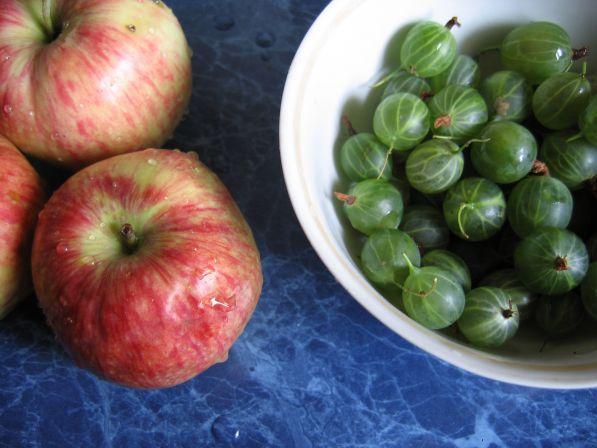
Choosing gooseberries for compote
At home, compote must be prepared correctly. Only then will it be aromatic, delicious, and extremely healthy.
The choice of berries plays an important role in this matter:
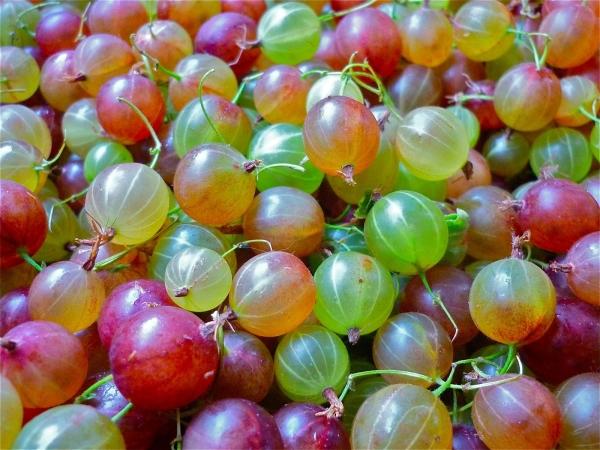
- red or green gooseberry varieties will work;
- The berries are selected to be of the same size, sufficiently ripe or slightly unripe, without damage or the slightest signs of rot.
Important! Unripe fruit will make the compote taste unpleasant and look unappealing. Add a small amount of gooseberry leaves to homemade compote—they also contain many beneficial substances.
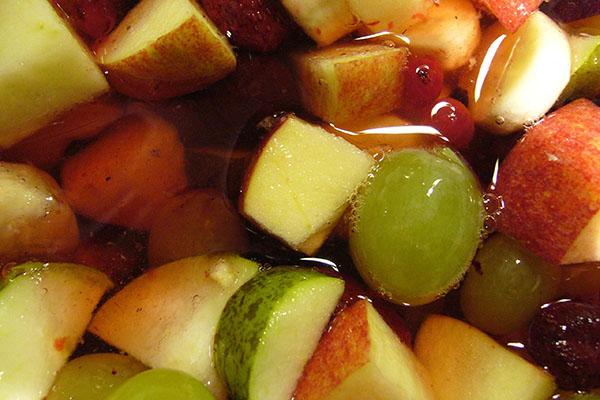
Preparing apples
Choose any apples you like, depending on your taste. Some like them sweeter, others more sour. The main thing is that they are firm and free of visible blemishes.
Wash, remove seeds and core, leaving the skin, and cut into slices.
How to make apple and gooseberry compote for the winter
We offer a simple recipe that will yield 3 liters of liquid.
Required:
- berries – 400 grams;
- apples – 5 pieces;
- water – 3 liters;
- sugar – 500 grams.
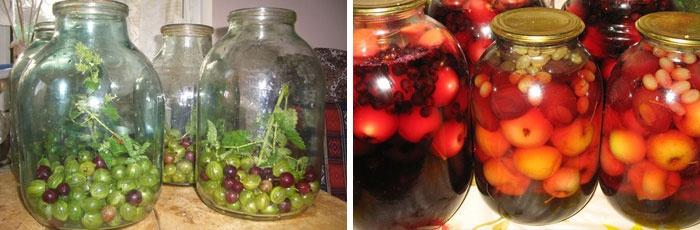
Preparation process: We assume that all the preparatory work has already been completed, that is, the jars have been sterilized and they are filled with apples and berries no more than a third full.
- Pour water into a saucepan, add sugar and put on the fire to boil the syrup.
- Pour the sweet hot liquid over the fruits/berries and wait for 5 minutes.
- Pour the syrup into a saucepan and bring to a boil again.
- Pour the liquid into jars and roll up.
Now you can turn the jars upside down or lay them on their sides for an hour to cool. Then you can put them away. If you don't plan on storing them, simply place all the ingredients in the pan at once and simmer for about 15 minutes. You'll need less sugar, though.
How to store this compote?
This winter dessert should be stored in a cool, dark place. It's important to prevent moisture from accumulating there, as it can ruin the compote's healing properties. A cellar is the best place, but a refrigerator will also work. The jars will keep for at least a year.
Take a look Also
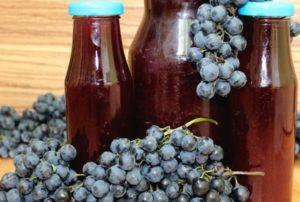
Apple and gooseberry compote is far from the most popular homemade sweet preserve. Gooseberry jam is made far more frequently. Just one winter experience with this wonderful drink is enough to make storing it for a long time a necessity.
Moreover, you can diversify recipes by adding other berries and fruits to the compote, which will impart new flavors. And how much joy your family will get when you open a jar of apple and gooseberry compote on a cold, frosty day and treat them to this delicacy.
Related posts:
 Pests and diseases of gooseberries and their control using chemical and folk remedies
 Description of 36 of the best sweet and large varieties of gooseberries
 10 Best Gooseberry Mojito Compote Recipes for the Winter
 Step-by-step recipes for gooseberry compote for a 3-liter jar with and without stalks for the winter, with and without sterilization
 Sulfur control of powdery mildew on gooseberries using folk and chemical remedies
 TOP 20 ways to preserve fresh gooseberries for the winter
 Description of the Malachite gooseberry, varieties, planting and care
 Simple recipes for making gooseberry, red, and black currant compote for the winter