
Everyone probably loves zucchini—fried, stewed, or canned. But it turns out this vegetable is full of surprises: you can even make dessert with it. What's more, you can even make pineapples with it! Moreover, these zucchini, preserved like pineapples for the winter, are unlikely to be distinguished from the real exotic fruit. In this article, we'll share the recipes and nuances of this amazing preparation.
Preparing the ingredients
The main step for preparing any food for the winter.
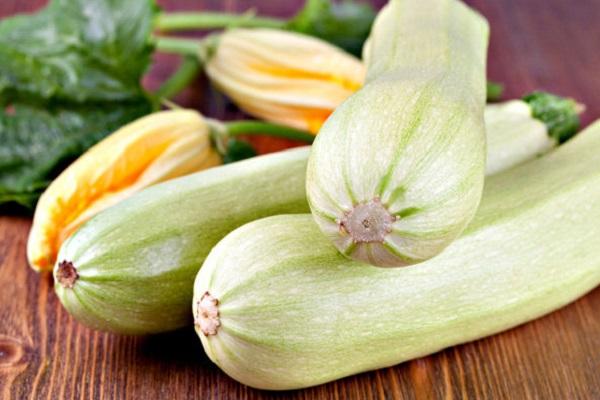
The first step is to carefully select your vegetables. To do this, consider the following parameters:
- It is better to choose small fruits weighing about 150-200 grams.
- The length of the fruit should be 12-20 centimeters.
- Pay attention to the vegetable's skin. A fresh zucchini's skin is smooth and glossy.
- Do not use zucchini with darkened areas, sharp contrasting color transitions on the skin, or with an unpleasant odor.
- The stem of the zucchini will indicate freshness; the "tail" should be green. If it's brown, the vegetable has been stale.
By following these recommendations, you'll be able to prepare everything to the highest possible quality and avoid any mistakes:
- The most delicious pineapple zucchini will come from young zucchini, which has a thin, tender skin. You can also use a ripened vegetable, but it will take much longer to cook.
- Even the most delicate skin needs to be removed.
- Be sure to remove the core and seeds, as their presence will indicate that this is not an exotic fruit at all.
- The vegetable should be cut into pieces that look as similar to pineapple slices as possible.
Note! The best shape to use is a "pineapple" ring. You can make this using a special slicing device or a regular shot glass.
It's best to cut the vegetable into 10-millimeter rings and remove the center with a mold. You can also cut the rings into halves or pieces. If you don't have a mold, you can split the zucchini in half and remove the core and seeds. Turn the resulting "boat" over and cut into segments that will look like pineapple half-rings. You can also chop the vegetable into cubes about two centimeters on a side.
Recipe for zucchini with pineapple juice
The most popular method for preparing zucchini dessert is to use store-bought juice from the exotic fruit. It imparts the desired flavor, making it impossible to recognize the vegetable's true nature in the fragrant slices.

In pineapple syrup
The following components are required:
- a kilogram of zucchini;
- 350 milliliters of pineapple juice;
- 125 grams of sugar;
- 2/3 teaspoon citric acid;
- a pinch of vanilla powder.
Preparation:
- The fruit needs to be peeled and the core removed, and the pulp cut into rings or cubes.
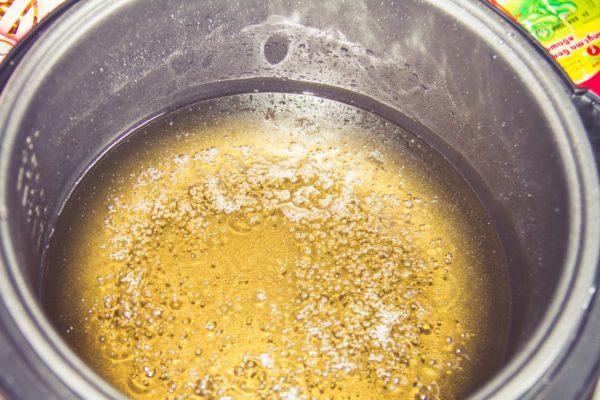
- Next, prepare the syrup. Combine the ingredients, except for the zucchini pieces, in a saucepan and simmer over low heat until the granulated sugar dissolves completely.
- Then, place the vegetable pieces in the prepared syrup, and after the mixture comes to a boil, simmer for 15 minutes. Stir constantly to prevent the dessert from burning.
- The prepared "pineapples" should be placed in glass containers and drizzled with syrup. Then, the products need to be rolled up. The resulting pieces are covered with a blanket and allowed to cool. Then, they are transferred to a cool, dark place for storage.
Recipe with cherry plum
This cooking method is striking in its simplicity. These "pineapples" don't require any unusual fruit. Yellow cherry plums impart a pineapple flavor and aroma.
Ingredients:
- 350 grams of yellow cherry plum;
- a kilogram of zucchini;
- a liter of water;
- 230 grams of granulated sugar;
- a pinch of citric acid.
Preparation:
- All the cherry plums need to be divided into equal parts, after removing the seeds.
- The zucchini fruits need to be peeled and the core with seeds removed.
- Place the cherry plum halves in the jar, filling a quarter of the container with them.
- The next layer is made up of zucchini pieces.
- They finish filling with cherry plums.
- Then, fill the prepared containers with boiling water. After 5-7 minutes, drain the boiling water. Repeat one more time.
- Using the water drained a second time, prepare a syrup with sugar. Citric acid is added to it.
- After the sweet liquid boils, it is poured into jars and immediately closed.
Important! For this method, it's best to cut the vegetables into rings, otherwise they might get lost in the plum mixture.
With orange
The oranges will add an exotic fruit flavor to the zucchini pieces. This recipe doesn't require pineapple.
Ingredients:
- 3-4 medium zucchini;
- a liter of water;
- three oranges;
- 2 cups of sugar;
- tablespoon of citric acid.
Preparation:
- Wash the oranges and cut them into wedges. Place them four at a time in your chosen container. It's best to arrange them vertically.
- Wash the zucchini, remove the peel and core. Cut the remaining flesh into cubes and place in containers.
- Next, you need to prepare the syrup. To do this, add sugar and citric acid to the water. Pour the resulting liquid into containers.
- These preserves need to be sterilized. Place the jars in a saucepan filled with water and cover with metal lids. Once the water boils, leave the jars for another 15 minutes. Then remove them and cover with lids. The finished pineapple preserves should cool at a warm temperature.
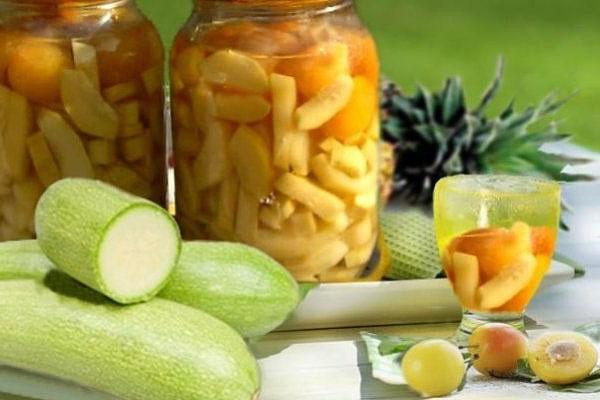
Canned zucchini with pineapple essence
This recipe is perhaps the most inexpensive of all. It doesn't require any additional ingredients.
Ingredients:
- one large zucchini;
- a liter of water;
- 150 grams of granulated sugar;
- a teaspoon of citric acid and pineapple-based essence.
Preparation:
- Peel the zucchini, cut it into rings and cut out the core with the seeds.
- Heat the water, add sugar and citric acid. Then add pineapple flavoring.
- Heat the syrup mixture until boiling, then add the zucchini pieces. Check for about 3 minutes. Then, let the mixture cool and refrigerate.
- If you need to preserve these zucchini pineapples for the winter, you need to place the hot pieces in glass jars and close them.

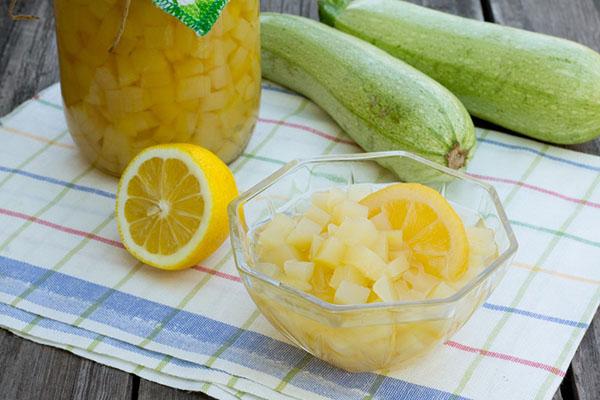
Preservation without sterilization
There are many ways to preserve zucchini and give it a pineapple flavor. However, this method of preserving without sterilization is the most popular among home cooks.
Ingredients:
- one lemon;
- 0.5 kilograms of zucchini;
- three carnation inflorescences;
- 0.5 kilograms of sugar;
- 2 liters of water.
Preparation:
- Peel the zucchini and cut into circles.
- Place the pieces in a bowl and cover with water, wait until it boils.
- Add sugar and cook over low heat for about 20 minutes.
- The zucchini pieces should become translucent and amber-colored. Only then add the cloves.
- Cook the mixture for another 15 minutes, and then pour in the juice squeezed from the lemon.
- Then, leave the dessert on the heat for another three minutes. The ingredients should be placed in glass jars and sealed without sterilization.
- If the recipe is strictly followed, "canned pineapples" (zucchini) acquire a fresh pineapple aroma.
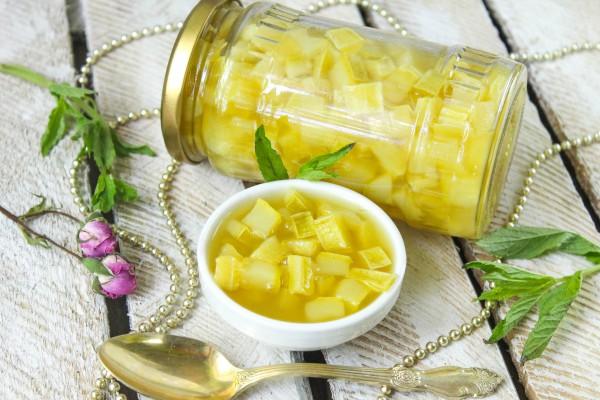
Marinated zucchini with pineapple flavor
You can marinate not only appetizers—tomatoes, cucumbers, and so on—but also desserts. Pineapples made from sliced zucchini are a truly delicious alternative to store-bought treats!
Ingredients:
- 4 kilograms of zucchini;
- 3 oranges;
- a liter of water;
- tablespoon of citric acid;
- 0.5 kilograms of sugar.
Preparation:
With this method of preparation, it is very important to follow the step-by-step algorithm for preparing zucchini:
- Citrus fruits should be parboiled and cut into cubes. Then, they should be placed in jars.
- Wash the zucchini, remove the peel and core, and cut into half rings. Place the vegetable pieces in the jars with the citrus.
- Pour sugar and citric acid into water and stir until completely dissolved.
- Pour the syrup into the jars containing the chopped vegetables and citrus. Cover with metal lids and continue sterilizing for 15 minutes.
- Roll up the jars and place them upside down on a warm cloth. Wait for the mixture to cool. Once cool, store them.
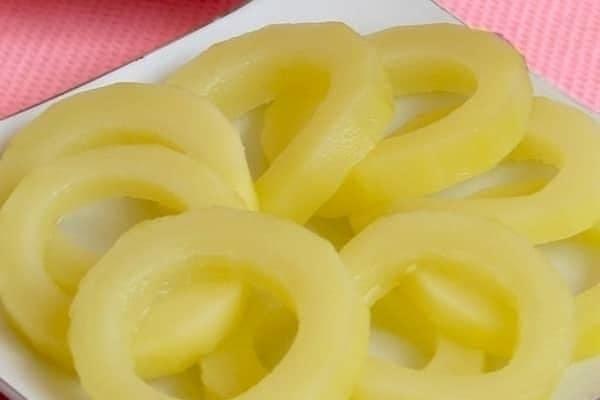
Zucchini with aromatic sea buckthorn
This zucchini recipe with sea buckthorn allows you to prepare vegetables quickly and inexpensively, and the taste of the resulting preparation is absolutely identical to store-bought exotic fruits.
Ingredients:
- medium-sized zucchini;
- 3 cups of sea buckthorn;
- 2 cups of sugar;
- 2 liters of water.
Preparation:
- Sea buckthorn berries must be carefully sorted and washed.
- The fruits must be washed, peeled and chopped into small cubes.
- Layer the sea buckthorn and zucchini pieces in the jars, sprinkling them with a tablespoon of sugar each time. Fill the jars as tightly as possible, as the layers will settle once the juices are released.
- Full jars should be covered with lids and sterilized for 15 minutes. Once sterilization is complete, seal the jars.
- Hot jars should be covered and left to cool. Then, store the cooled jars.
Take a look Also

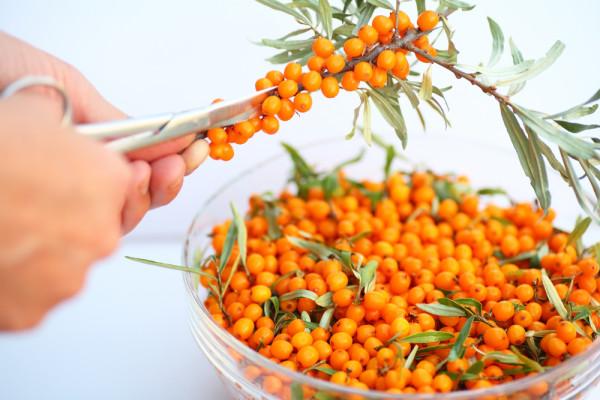
When combined with sea buckthorn, zucchini can also make an amazing compote.
Ingredients:
- 2-3 cups of sea buckthorn;
- medium zucchini;
- 2 cups of sugar;
- 2 liters of water.
Preparation:
- Peel the zucchini and cut into neat half rings, approximately 20 millimetres thick.
- Place the vegetables in a three-liter jar and pour boiling water over them. Leave for 5 minutes.
- Afterwards, drain the water, add sea buckthorn and pour in boiling syrup of water and sugar, just before reaching the top of the container.
- You can add thyme, mint, and lemon balm to the syrup – this will give it a pleasant flavor.
- Roll up the jars and wrap them until cool.
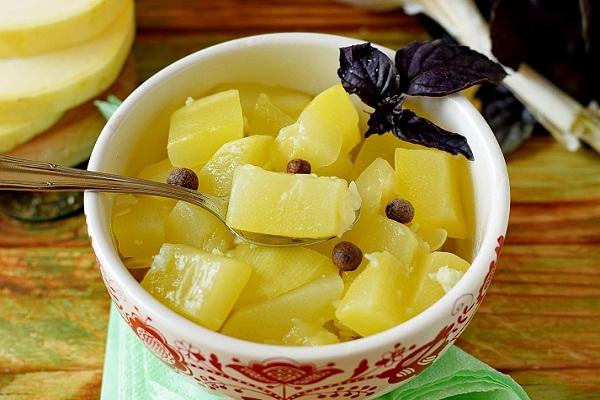
How to store canned food
The preserves will keep well if all the preparation instructions and steps are followed. Jars are best stored in cool, dark places such as cellars, basements, or pantries. Additionally, the following conditions must be met:
- It is necessary to protect the workpieces from direct sunlight.
- There should not be any heat sources near the preserved food, such as stoves, heaters, etc.
- The temperature in the storage area should not be below +5 degrees, otherwise the taste of the zucchini dessert will be spoiled.
- And the temperature should not rise above +20 degrees, and the humidity should not rise above 75 degrees.
Pay close attention to any changes in consistency, the appearance of air bubbles, or cloudiness in the mixture. This means the seal has been broken, and the dessert will spoil.
Important! Follow recipes carefully and be extremely careful to keep containers and ingredients clean and sterile.
Some methods for preserving pineapple squash for the winter require refrigeration only. These recipes typically skip the sterilization step or are sealed with nylon lids. However, there are exceptions.
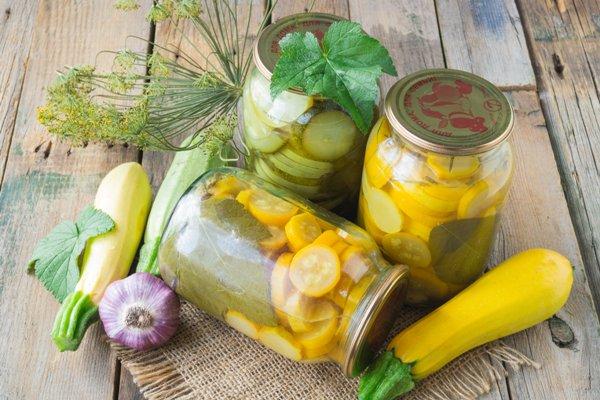
Zucchini prepared using these recipes will surprise you with its aroma and flavor. This dessert will impress even the most discerning palate, especially if you explain what this delicacy is made of. What's especially pleasing is that these preparation methods are much cheaper than store-bought canned varieties.
Related posts:
 How to properly plant zucchini in open ground, cultivation technology and care
 Proper cultivation and care of zucchini in open ground, how to increase the yield
 How to make zucchini adjika for the winter using finger-licking good recipes and storage instructions
 20 Best Recipes for Making Delicious Zucchini Preserves for the Winter
 What to do if the leaves of zucchini in open ground turn yellow and how to deal with it
 TOP 20 simple recipes for pickled zucchini for the winter
 How to control pests and treat diseases of zucchini in open ground
 What is the best way to feed zucchini in open ground and greenhouses during flowering and fruiting?