
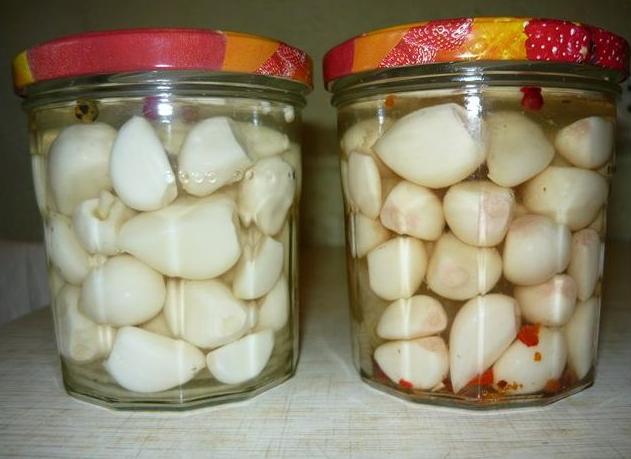
Preparing pickled garlic is an important preparation, as the finished dish contains a wealth of valuable vitamins, minerals, and essential organic acids that have a beneficial effect on the body, especially during the fall and winter. Furthermore, it's a favorite snack simply because the pickling process removes its distinctive, pungent odor, allowing the fruit to be consumed without fear of tainting your breath.
Peculiarities of preparing pickled garlic
Fermentation is a method of preparing vegetables that produces lactic acid. Fermented vegetables are highly valuable due to the preservation of all their vitamins and minerals.
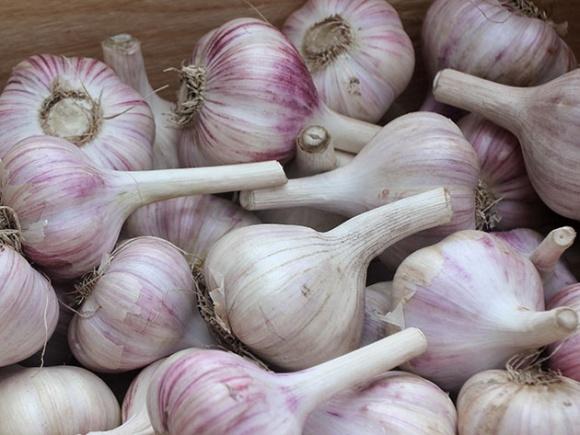
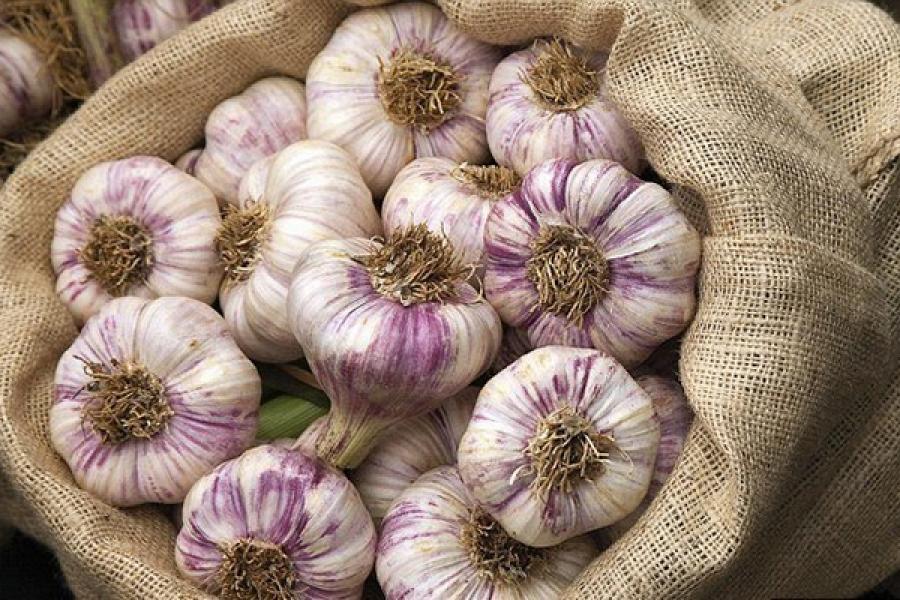
For pickling, not very young heads are used; the outer husk must be easily removed from them. Very old ones will also not work, they will have a specific taste and smell.
Benefits of blanks
The main advantage of garlic prepared this way is the preservation of valuable macronutrients, micronutrients, and vitamins. The finished product has a mild, pleasant flavor, and the distinctive aroma that many people avoid is gone, while maintaining its firmness and crunch.
The benefits of the finished product are due to its chemical composition:
- Vitamins B1, B3, B6, C.
- Calcium and potassium are found in large quantities. They play a role in intestinal and kidney function. Potassium is essential for normal heart function. Calcium is a major component of bone tissue and teeth. It plays an active role in hematopoiesis and is responsible for blood clotting.
- Contains iodine, sodium, phosphorus, selenium and zinc.
- Allicin, found in fresh vegetables, is also preserved in fermented products. It is the most powerful antioxidant.
- Vitamin C strengthens the body's defenses and has an anti-inflammatory effect.
- B vitamins are responsible for brain function, improve memory, help cleanse blood vessels, and participate in the synthesis of essential enzymes.
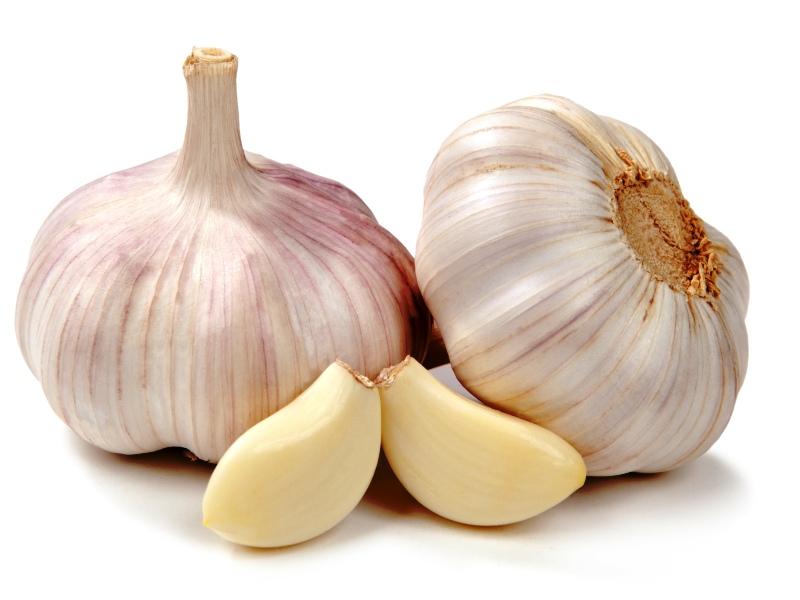
Basic requirements for the selection of ingredients
The recipe is simple, but requires careful selection of the main ingredient:
- Young heads with fully formed cloves are ideal. The stems should be dry; green stems should not be used. Old garlic will work, but it will lack the pleasant tenderness.
- The heads must be intact, without any damage to their integrity, otherwise they will not look aesthetically pleasing.
- They should feel firm when pressed.
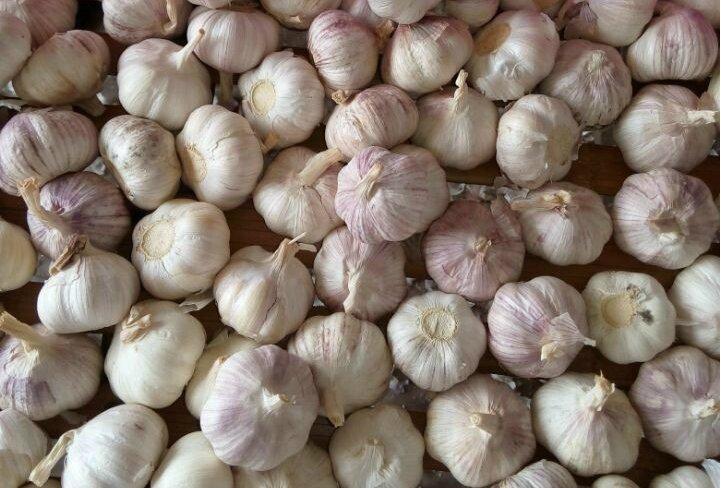
How to ferment garlic at home
There are many recipes for pickling this vegetable, but they all rely on the classic version. The recipe includes beets, various spices, herbs, and even berries and fruits.
Take a look Also
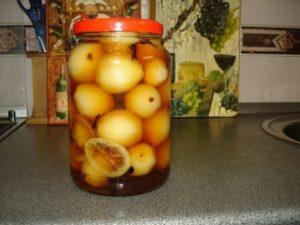
Whole heads, like at the market
The classic pickling recipe calls for the following ingredients:
- garlic heads - 850 g;
- vinegar - 30 ml;
- water - 540 ml;
- salt - 20 g;
- sugar - 25 g.
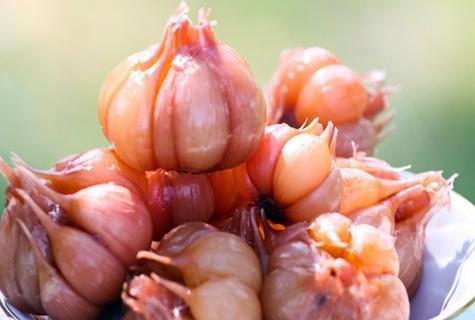
Procedure:
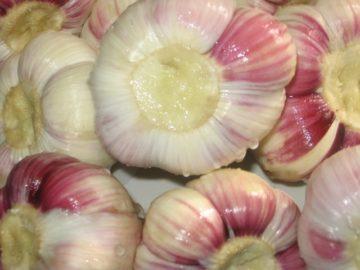
- Peel the garlic cloves, but do not separate them into cloves. Wash, cover with cold liquid, and soak for 6 hours.
- Drain the liquid, place the soaked vegetables in washed containers. Pour in the vinegar.
- Boil the specified amount of water, add sugar and salt.
- Pour in the slightly cooled marinade, cover and refrigerate for two weeks.
If desired, you can add currant and cherry leaves, horseradish, dill, hot pepper, basil, and cilantro to the suggested ingredients.
With beets
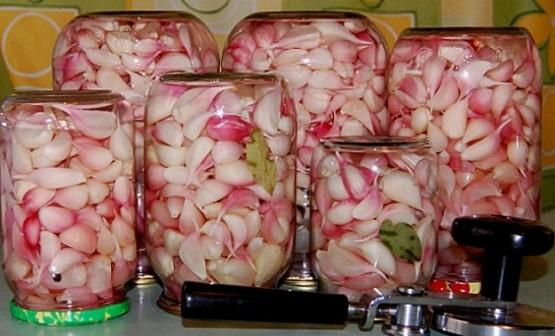
Beets will impart not only a beautiful pink hue but also a distinctive, mild flavor. The quantities listed are for one liter of marinade.
Necessary:
- heads of garlic - 870 g;
- beetroot - medium;
- salt - 45 g;
- sugar - 55 g;
- vinegar - 75 ml;
- carnation - 4-5 inflorescences.
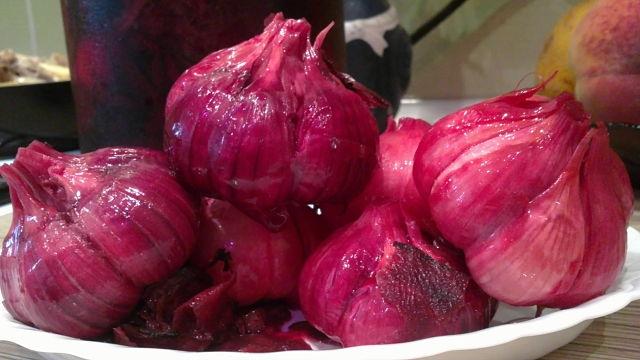
Cooking instructions:
- Soak peeled and washed fruits in cold liquid for 6 hours.
- Peel and wash the beets. Cut into small slices.
- Drain the garlic. Place in clean containers, layering with beets. Pour in vinegar at a rate of 30 ml per liter container.
- Prepare the filling: boil a liter of liquid, add granulated sugar and cloves, add salt.
- Pour the slightly cooled brine over the vegetables, cover and refrigerate for 10-12 days.
In Armenian
Another marinating option. You will need:
- garlic heads - 900 g;
- grape juice (white) - 540 ml;
- water - 950 ml;
- salt - 45 g;
- sugar - 65 g;
- vinegar - 75 ml;
- partitions from 5 walnuts;
- black pepper - 7 peas;
- allspice - 5 peas;
- carnation - 3 inflorescences.
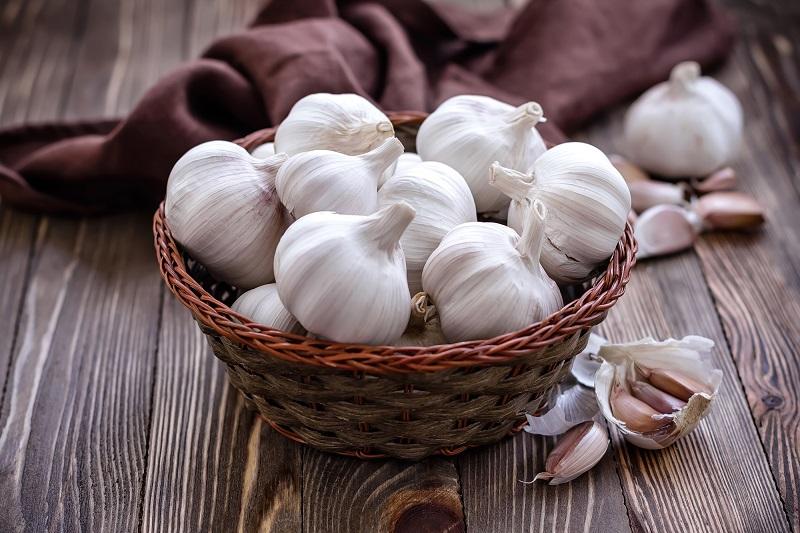
Scheme of actions:
- Remove the top husk from the heads and place them in cold liquid overnight.
- Drain the liquid. Place the heads tightly in the containers in which they will marinate. Glass or clay containers are suitable.
- Pour cold marinade (950 ml liquid + 45 g salt). Let stand for 24 hours.
- Every day you need to change the filling: pour out the old one and fill in the new one for 3 weeks.
- Prepare a new filling: add salt, sugar, peppercorns and cloves to the specified amount of liquid.
- Pour vinegar and cooled brine into the garlic. Leave for two weeks.
- After the time has elapsed, drain the brine, bring to a boil and save.
- Pour grape juice into the heads until completely covered. Let stand for a week.
- After seven days, drain the juice and refill with the reserved brine. After five days, the dish is ready.

With basil
Basil is a very healthy herb that will not only add a pleasant flavor and aroma to your finished dish but also provide additional beneficial components. The amounts of salt and sugar are indicated per liter of marinade.
Take a look Also
Necessary:
- basil - 6-7 branches;
- sugar - 65 g;
- garlic heads - 850 g;
- salt - 45 g;
- vinegar - 75 ml;
- black pepper - 6 peas.
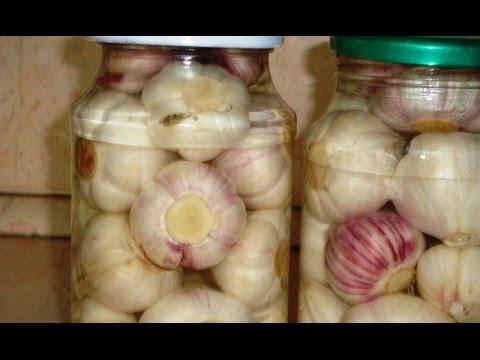
Cooking instructions:
- Peel the garlic, wash and soak for 6 hours in cold liquid.
- Drain the liquid and place the heads in a clean container, layering them with basil sprigs. If desired, you can add 2-3 sprigs of dill. Pour in vinegar at a rate of 30 ml per liter container.
- Prepare the filling: dissolve sugar and salt in the specified amount of liquid and bring to a boil.
- Pour warm brine over the heads, cover and refrigerate for two weeks.
In apple juice
Marinating with freshly squeezed apple juice is a rather unusual recipe, but it turns out very tasty.
Necessary components:
- apple juice - 240 ml;
- garlic heads - 850 g;
- sugar - 65 g;
- salt - 45 g;
- water - 940 ml;
- apple cider vinegar - 70 ml;
- black pepper - 5 peas;
- carnation - 4 inflorescences.
Scheme of actions:
- Peel the heads and soak for 6 hours in cold liquid.
- Place the soaked heads in a washed container, pour in vinegar at a rate of 30 ml per liter container.
- Prepare the filling: dissolve sugar in the specified amount of liquid, add peppercorns, cloves, salt and bring to a boil.
- Pour the cooled brine into the garlic, cover with a plastic lid and keep in the cold for 12 days.
- Drain the brine, bring to a boil and save.
- Pour apple juice into a container and leave for a week.
- Pour out the juice and pour the reserved marinade over it. The dish is ready in 2-3 days.
With gooseberries
When pickling garlic according to this recipe, gooseberries are used alongside the vegetable. They acquire a piquant flavor while retaining their sweetness. Some recipes substitute grapes for gooseberries.
In any case, the berries should be firm and not overripe. Seedless grapes are used.
Necessary components:
- gooseberries - 540 g;
- garlic - 850 g;
- salt - 45 g;
- sugar - 55 g;
- vinegar - 30 ml per liter container.
Scheme of actions:
- Peel, wash and soak the garlic heads for 6 hours in cold liquid.
- Wash and dry the gooseberries.
- Place the garlic in a washed glass container, sprinkling it with berries. Pour in the vinegar.
- Prepare the brine: boil 850 ml of liquid, add sugar and salt.
- Pour the slightly cooled brine over the garlic, cover and leave for two weeks.
Without vinegar
Garlic prepared according to this recipe is safe even for small children, pregnant women, and breastfeeding women. It is an excellent preventative measure, especially during the cold season.
Take a look Also
Necessary components:
- garlic - 850 g;
- salt - 45 g;
- citric acid - 4 g per liter container;
- sugar - 65 g;
- black pepper - 5 peas;
- carnation – 2 inflorescences;
- bay leaf.
Cooking instructions:
- Pour cold liquid over the cleaned and washed heads for 6 hours.
- Drain the water and place the garlic in prepared clean containers. Add the citric acid. If desired, you can substitute lemon juice (one lemon per 850 ml of brine), which will make the dish even healthier. Bring the juice to a boil with the brine.
- Prepare the dressing: add sugar, salt, cloves, pepper, and bay leaf to 850 ml of liquid. Bring to a boil.
- Pour the cooled brine over the heads, close, and after 10 days the dish is ready.
With rye flour
Flour promotes the rapid growth of acid bacteria, which are responsible for fermentation processes. Under these conditions, the growth of putrefactive bacteria is prevented. They are destroyed by lactic acid fungi.
Necessary components:
- garlic - 850 g;
- flour - 20 g;
- black pepper - 2 peas;
- salt - 25 g;
- bay leaf;
- sugar - 45 g;
- vinegar - 30 ml.
Cooking instructions:
- Peel and wash the garlic. Place in a container, cover with cold liquid, and soak for 6 hours.
- Drain the water, add flour, sugar, bay leaf, salt and peppercorns, pour in the specified amount of vinegar.
- Boil water, cool slightly, pour it into a container with garlic and leave for 12 days in a cold and dark place.
How to properly store pickled garlic
Store the dish prepared this way in a cool, dark place, preferably in a cellar or basement. If you don't have one, then store it in the refrigerator. Seal the container with a regular plastic lid and keep for 2-3 months.
For longer storage, pour boiling brine over it, sterilize for 10 minutes, and seal tightly. This preparation has a long shelf life.But in the grand scheme of things, it's not really necessary, as the vegetable is available year-round and can be pickled as needed. These recipes aren't the limit of culinary possibilities. They can be varied with other ingredients, allowing you to create a new culinary masterpiece.
Related posts:
 Top 40 DIY New Year's Baking Recipes for 2020
 TOP 40 New Year's 2020 Meat Recipes Using Pork, Beef, Chicken, and Lamb
 24 Best Recipes for Preserving Beets for the Winter
 13 Best Recipes for Pickling Sweet Tomatoes for Winter
 27 of the most delicious eggplant appetizer recipes for the winter
 TOP 17 simple homemade tomato ketchup recipes for the winter.
 What to cook for New Year 2020: a new and exciting menu for the holiday table
 15 Best Step-by-Step Zucchini Recipes for Winter
If you added vinegar, the garlic is pickled, not fermented. Consult a specialist before making any comments.
You're absolutely right. Vinegar is a constant ingredient in marinades. The classic pickling recipe doesn't call for any additional acid. But in newer recipes, home cooks actively use vinegar, just sparingly. It doesn't spoil the flavor. Experts disagree, as do readers. In general, all our recipes are tested in practice, rest assured.