
- Peculiarities of pickling hot peppers in Georgian style
- The benefits and contraindications of pepper
- Selecting and preparing peppers
- Methods for preparing hot peppers in Georgian style
- Classic recipe
- Without sterilization
- Fried hot peppers
- Marinated with honey
- Armenian hot pepper
- How and how long can pepper be stored?
For those who love spicy food, hot peppers are an ingredient in many appetizers, vegetable, and meat dishes. They can also be prepared for winter. There are many ways to use tsitsak hot peppers, marinated for the winter in Georgian style, which can add variety to your menu during the cold season. Preserved products will brighten up both holiday and dinner tables, becoming a favorite dish for the whole family. Moreover, these appetizers offer significant health benefits.
Peculiarities of pickling hot peppers in Georgian style
The cuisine of the peoples of the Caucasus is famous for its preserved foods, which are given a piquant flavor by spices, aromatic herbs, and hot peppers.
A key aspect of pickling hot peppers for the winter is that care must be taken when marinating them. The peppers' skin is so hot, the juice, if it gets on your hands, can corrode wounds and cause irritation. It's best to use gloves when pickling hot peppers, otherwise the hot juice could accidentally come into contact with the mucous membranes of your eyes, nose, or mouth, causing a burning sensation and a severe allergic reaction.
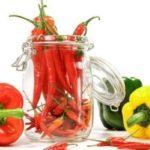
Peppers of various colors are harvested. The cook chooses which varieties will be in the marinade jar. The key is to have thin, long peppers, as this will allow them to marinate better. Larger peppers are also suitable for slicing.
You can add 1-2 bell peppers if you're looking for a spicy kick. Cherry tomatoes pair well with the spicy pods.
Pickled peppers should be preserved in the same way as other fruits. They will keep best in a sterilized jar with a metal lid.
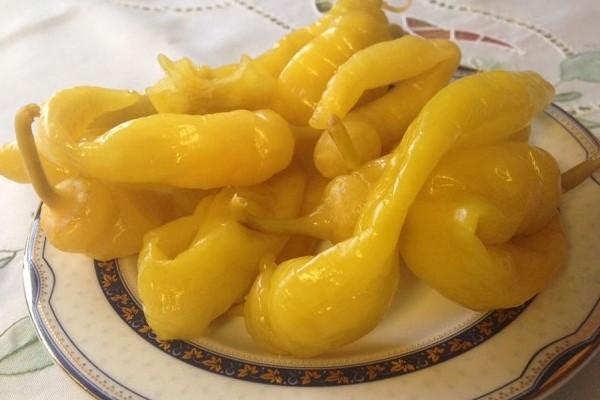
The benefits and contraindications of pepper
It's hard to imagine many vegetable and meat dishes, soups, and salads without pepper. The fruit contains a high amount of vitamin C, much more than lemons and blackcurrants. It is also rich in iron, phosphorus, beta-carotene, the coumarin scopoletin, and essential oils. The fruit's pungency is due to the alkaloid capsaicin.
This hot vegetable is useful for people with:
- myopia;
- atherosclerosis;
- respiratory diseases;
- heart failure;
- obesity.
Those who prefer spicy food with pepper are always in a good mood. The happiness hormone in pepper pods increases stress resistance and strengthens the immune system.
Contraindications for the product include diseases of the gastrointestinal tract and liver. Excessive consumption of spicy fruits is harmful for elderly people with hypertension. They should not be consumed by those with allergies, or by women during pregnancy or breastfeeding.

Selecting and preparing peppers
Choosing the right pods for winter pickling is crucial. The shelf life and flavor of the preserves depend on this. If you plan to preserve whole pods, they should be smooth, thin, and up to 3-5 centimeters long. Before placing them in the jar, make a cut at the base. It's best to leave them with the stems attached, as this will make them easier to remove from the jar.
Large specimens should be cut into rings.
The color of the vegetables isn't particularly important. However, a combination of red, green, and yellowish pieces looks beautiful in the marinade.
Before marinating, the product's pungency must be removed. In this case, keeping the pods in cold water for 24 hours or scalding them with boiling water for 10 minutes will help.
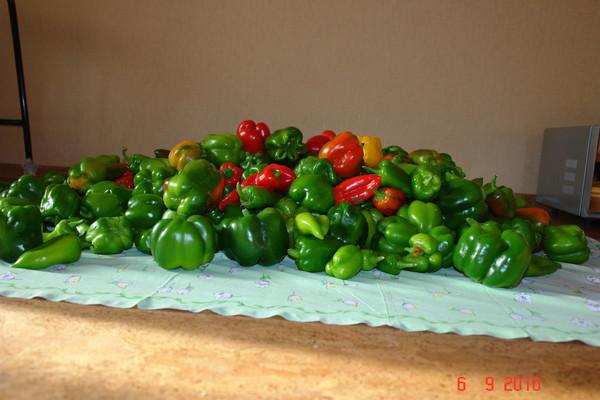
Methods for preparing hot peppers in Georgian style
There are several ways to marinate hot pods for the winter. You can:
- just pour the marinade over the pods;
- with or without sterilization to prepare the product;
- Fry the pepper before marinating;
- add honey to the jar with cicak;
- ferment the pungent fruits.
All canned products made with spicy tsitsak are original and will decorate any table, adding a touch of sophistication and lifting the spirits.
Classic recipe
To prepare peppers marinated for the winter according to the Georgian recipe, you need to take per liter of water:
- several red and green pods weighing a total of 100 grams;
- a few peas of allspice;
- 1 tablespoon of salt;
- 2 tablespoons of sugar;
- 50 milliliters of vinegar;
- water about 1 liter.
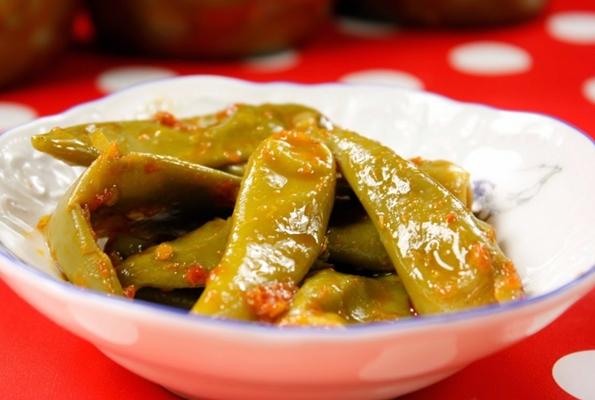
For the pods, you'll need a 70 or 100 milliliter glass jar. Wash the jar thoroughly and scald it with boiling water. Pack the pods tightly and pour boiling water over them. After 5-10 minutes, drain the water. Now it's time to add the marinade ingredients: allspice, sugar, and salt. Bring it to a boil and simmer for another 5-7 minutes. Remove from the heat, add 9% vinegar. Pour the hot liquid over the pods. Sterilize the jars in steam for 5-10 minutes. After sealing, seal the lids.
Take a look Also
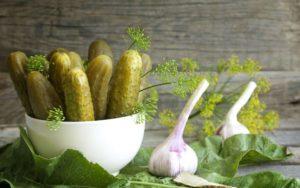
In Georgian cuisine, there's another recipe where hot fruits are simmered in a marinade with garlic cloves. The vegetables are then placed in jars and covered with hot brine. The marinade will be more flavorful if you add coriander, bay leaves, and celery.
Without sterilization
Another simple method for pickling spicy tsitsak is often used. To prepare it, take:
- 2 tablespoons of salt;
- a little more sugar - 3 spoons;
- 9% vinegar - 100 milliliters per 1 liter of water;
- spices: bay leaf, dill, allspice peas, mustard seeds.
Place the peppers and spices in a jar and pour boiling water over them. Pour the water into a saucepan and prepare the marinade. Add the vinegar at the end. Pour the boiling water over the peppers in the jars.
Tsitsak is quick to prepare and stored in the refrigerator under nylon lids.
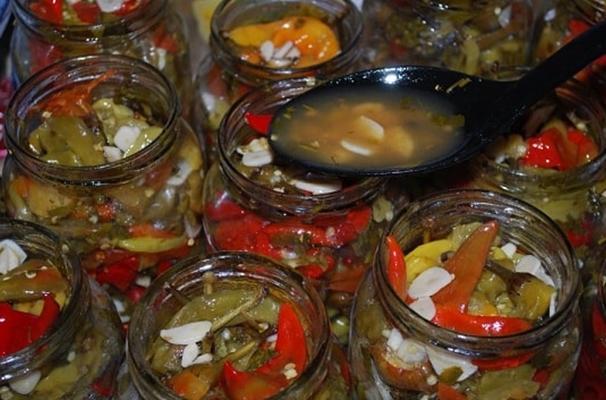
Fried hot peppers
Pre-roasting the hot peppers will make them less spicy. They'll also taste better marinated. To prepare fried tsitsak for the winter, use 15 medium-sized hot peppers:
- up to 5 tablespoons of sugar;
- from 70 to 100 milliliters of vinegar at 9%;
- head of garlic;
- a bunch of parsley.
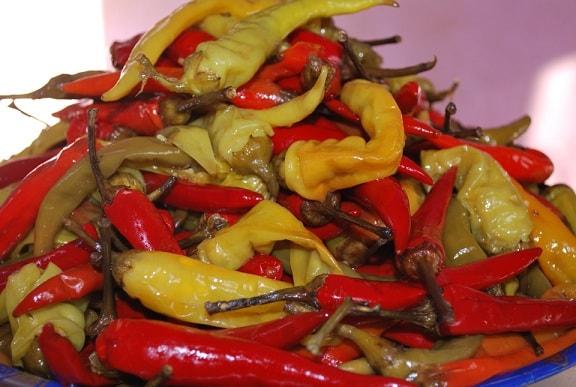 To fry, pour as much vegetable oil into the pan as possible so that the pepper floats in it. Once the pan is hot, place the prepared peppers in it. It's best to prick them in several places with a fork to prevent them from cracking during the high heat.
Remove the fried pods with a slotted spoon, allowing the excess oil to drain. Place the pods in a saucepan. Mix the oil from the pan with sugar, crushed garlic, and vinegar. Pour the mixture over the hot pods, leaving them to steep for 24 hours.
The pods are then placed in pre-sterilized liter jars. After pouring the aromatic mixture, there may be some space left in the jar, so you'll need boiled water. The jars are sealed and, after cooling, stored.
Marinated with honey
Apple cider vinegar is best used in honey marinades. To make the marinade, you'll need 1 cup of:
- 2 tablespoons of honey;
- a spoonful of rock salt.
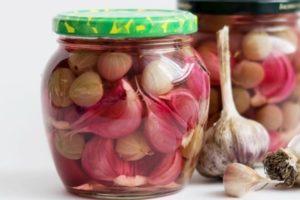
After boiling, the marinade is poured over the pods, which are placed in jars. This preserved product is considered very tasty and keeps well in the refrigerator without sealing.
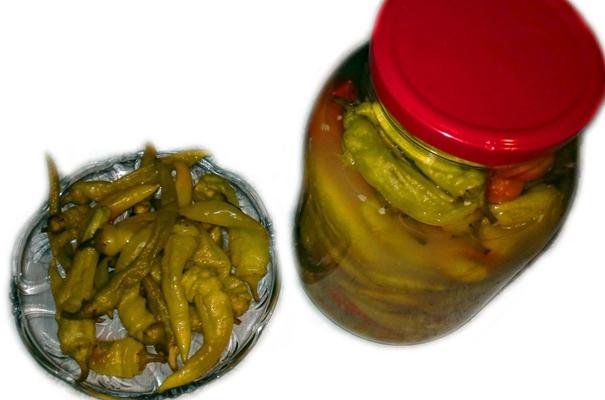
Armenian hot pepper
For this dish, tsitsak is used young. To prepare, you'll need:
- 3 kilograms of green pods;
- 250 grams of garlic;
- vegetable oil - 350 milliliters;
- 2 bunches of parsley;
- half a liter of apple cider vinegar;
- salt - 100 grams.
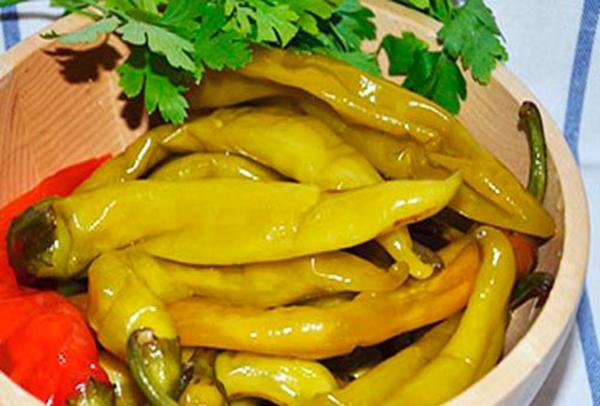
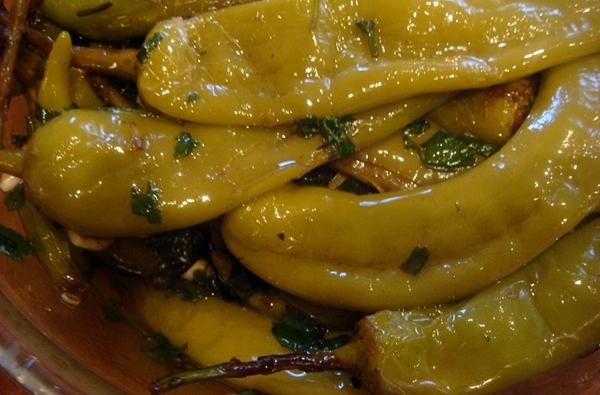
After washing the peppers, cut them lightly and place them in a wide bowl. Add chopped parsley, crushed garlic cloves, and salt. Stir and let the peppers sit for 24 hours. Then roast the peppers and place them in jars. Sterilize the jars and seal.
You can cover the pickled pods with a weight, first pouring brine over them. After 5-10 days of fermentation, the pods will begin to turn yellow. Then, transfer them to jars, first holding them in a colander to drain off excess liquid. Pack the pods tightly into the jars, be sure to sterilize them, and then seal them.
How and how long can pepper be stored?
Store pickled peppers in a cool, dark place. A basement, glassed-in balcony, or cellar is suitable. You can also place the jars in a cupboard, but keep them away from radiators and heating devices. Pickled hot peppers can be consumed within 2 years. After opening, refrigerate the can. It is not recommended to keep the product open for more than a month.
It's beneficial to add pickled green beans to meat dishes and vegetable appetizers. They add a piquant flavor to kebabs, sauces, and soups.
Related posts:
 Description of the 90 best varieties of beans for open ground with names
 Description and properties of the 50 best varieties of asparagus beans, benefits and harms
 Step-by-step recipes for preparing canned tursha for the winter
 TOP 12 recipes for making lecho from bell peppers for the winter. You'll lick your fingers.
 20 recipes for canned hot peppers for the winter
 Top 15 Recipes for Pickled Hot Peppers at Home
 Description and characteristics of the Habanero pepper variety, cultivation and care
 10 simple Armenian-style pickled hot pepper recipes for the winter