
When you have a seasonal source of fresh herbs grown without pesticides, it's time to think about how to preserve them for the winter. Vitamins, macro-, and micronutrients are best preserved by freezing, which saves time compared to drying herbs and spices. Read below to learn how to conveniently freeze parsley for the winter.
Beneficial properties of parsley
Parsley is a garden herb with a distinctive aroma and flavor. It is used in cooking as a seasoning for various dishes. All parts of the plant, including the roots, are used. But the most common culinary use is the parsley leaves.
They contain a wealth of beneficial substances. First and foremost, this is ascorbic acid, which far surpasses many fruits and vegetables in its content. Eating 100 grams of fresh parsley will exceed your daily requirement for vitamin C by 150% and vitamin A by 101%. These vitamins are responsible for normal metabolism and the functioning of bone and connective tissue.
But don't overdo it with parsley. For example, 100 grams of vitamin K contains nearly 13 daily doses. It helps absorb calcium, plays a major role in bone tissue function, and aids in protein synthesis: the structural bonds of some tissues require vitamin K.
At the same time, an excess of this substance increases blood viscosity, leading to vascular diseases. Eating parsley daily won't be harmful, as long as you eat it in moderation. Adding it to your meals at least once a day will bring significant benefits.
Parsley is also a source of minerals: iron (34% of the daily value), potassium (22%), copper (15%), calcium (14%), magnesium (12.5%), zinc (9%), manganese (8%), and phosphorus (7%). Regular consumption of parsley improves metabolism and promotes overall health.
Benefits of Freezing Greens
Parsley is a delicious addition to dishes. But fresh parsley is only available in season, typically for just a few months a year. There are ways to preserve these aromatic leaves for the winter: in jars with salt, in the freezer, or dried. Each method has its pros and cons. Let's look at the advantages of frozen storage:
- Freezing, unlike drying, takes much less time. Simply select the packaging, chopping method, and place the product in the freezer. Drying, on the other hand, is only possible under specific temperature and humidity conditions and requires careful attention over several days.
- Vitamin preservation. When frozen, nutrients remain virtually unchanged.
- The aroma and color of the seasoning remain unchanged. This adds a more aesthetically pleasing touch to a variety of dishes. And the unique flavor of parsley evokes summer.
Some may object to the importance of storing greens frozen. However, greens sold in supermarkets year-round are fertilized with mineral additives, which, in turn, are detrimental to health.
Freezing greens from your garden ensures their safety. Not only will you preserve maximum vitamins, but you'll also be free of harmful chemicals.
Preparing the main ingredient
To avoid disappointment with this storage method, you need to prepare your greens properly. Just follow a few rules:
- Greens should be as fresh as possible. If they've been sitting indoors for two days and have lost most of their nutrients, there's no point in freezing them. Time your transfer so you can move them from the garden to the freezer with minimal loss of time.
- It is better to collect leaves early in the morning, so they will be more juicy.
- If you have a lot of greens, you can soak them in water for a few minutes to remove dust and dirt. A small portion can be washed under running water.
- The washed leaves are laid out on a towel or napkin to remove excess moisture.
Take a look Also
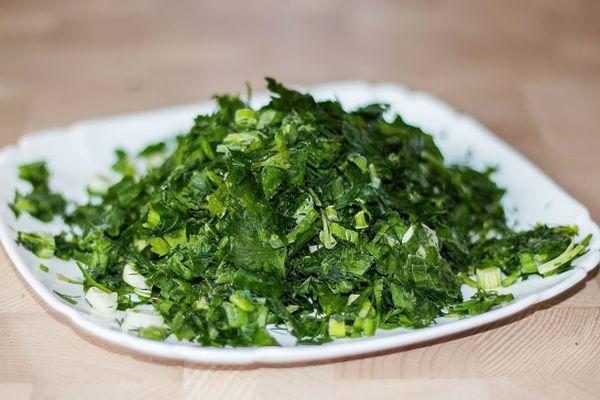
Parsley is an easy-to-grow plant with a strong immune system, virtually immune to diseases and pests. However, it's still a good idea to inspect the greens while washing and drying.
Methods of freezing at home
To preserve their appearance and nutritional value, it's important to freeze greens properly. There are recipes that allow you to do this efficiently and without loss.
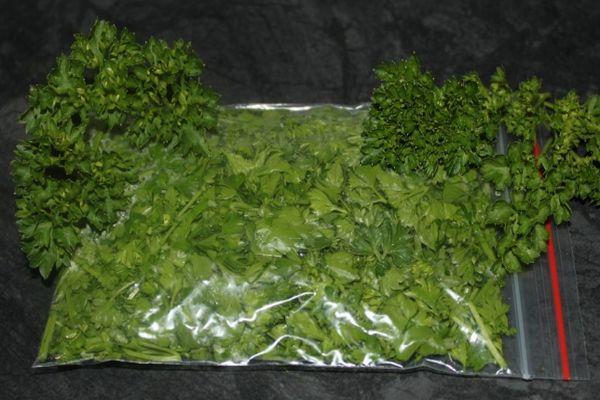
Sliced in bags
Preserving parsley In bags—a classic method of preserving greens. To prevent them from sticking together and keep them crisp, freeze them on boards first, then transfer them to a bag.
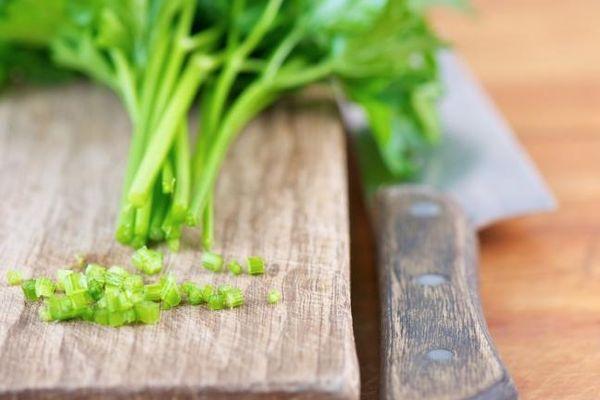
To do this, wash and dry the greens. For freezing, only the leaves are cut off. They should be finely chopped and laid in a thin layer on any surface (wooden or plastic board, container). After half an hour, the layer will freeze solid, and the leaves can be placed in a bag. This is repeated several times until the bag is full.
Freezing into cubes in ice cube trays
This method is used by many housewives. It's truly convenient to dissolve the cube at the end of the soup, eliminating the hassle of deciding how much greens to add. The recipe itself is labor-intensive, but it pays off in the long run.
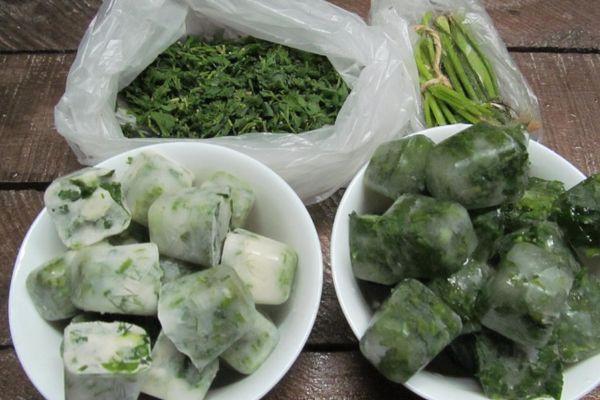
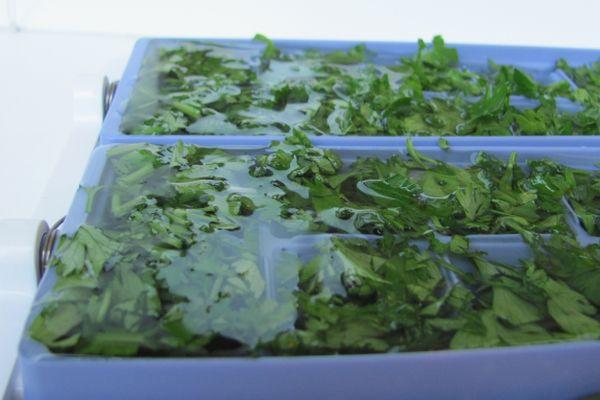
For this purpose, the parsley needs to be finely chopped. This can be done using a blender or a meat grinder. The resulting puree is pressed into molds, then filled with water. The cubes can also be stored in bags or plastic containers, removing as many cubes as needed during the winter.
Freeze sprigs for garnishing dishes
For special occasions, you can freeze whole sprigs to use as garnish. This process requires careful attention. Spread the sprig with leaves on a small piece of foil, press it down with a second layer, and then wrap it.
Store flattened in small, flat squares of foil. When defrosting, do not unwrap the foil until sufficient time has passed. Otherwise, the sprig may break.
Take a look Also
Parsley in oil
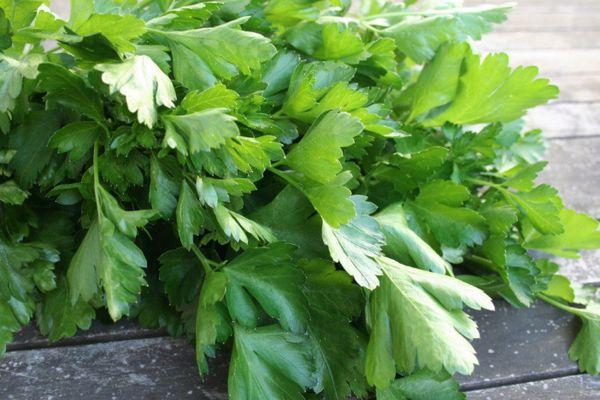
Preserving parsley in oil for the winter — a great way to preserve valuable nutrients. This recipe requires only the leaves. They are washed, dried, and finely chopped. The jar for the greens should be washed, sterilized, and dried.
Place the chopped herbs in a jar and fill it to the brim with any vegetable oil. This mixture can be stored in the refrigerator all winter. To add it to a dish, use a dry, clean spoon.
How long can you store frozen greens?
If the refrigerator is left on, the greens will retain their nutritional value until the next harvest. Defrosting and then refreezing greens is not recommended, as they will lose their nutritional value.
Related posts:
 How to grow parsley in the open ground at your dacha, planting and care instructions, and harvesting times
 The best recipes for harvesting parsley for the winter at home
 When is the best time to plant parsley seeds in open ground, growing and care
 How to grow parsley on a windowsill in winter and recommendations for caring for the crop at home
 Proper sowing of parsley in open ground before winter, which variety to choose, planting and care
 The use of parsley root for medicinal purposes, properties and contraindications for use
 Rules for growing parsley in a greenhouse in winter, yield and care
 Can you freeze arugula at home and how can you preserve it for the winter?