
- The History of Currant Breeding: Riddle
- Cultivation areas
- Main advantages and disadvantages
- Botanical information and characteristics of the variety
- Bush and root system
- Leaf blades
- Flowering and pollination
- Fruit ripening time
- Taste and yield
- Scope of application of berries
- Resistance to subzero temperatures and drought
- Immunity to diseases and pests
- How to Plant Blackcurrants: A Mystery in the Garden
- Deadlines
- Selecting and preparing a site
- Seedling preparation and work procedure
- Further care of currants
- Watering
- Loosening and mulching the soil
- Fertilization
- Pruning: formative, sanitary, rejuvenating
- Pouring and hardening of bushes
- Preventive seasonal treatments
- How to cover plantings for the winter
- Methods of reproduction
- Tips and advice from experienced gardeners
- Reviews of the variety
The Zagadka currant variety is characterized by mid-early ripening berries, stable yields, a long shelf life, and excellent transportability. The fruits are high in vitamin C and sugars and are versatile in use. This variety is grown by amateur gardeners in their backyards and garden plots, and is also cultivated in nurseries and farms.
The History of Currant Breeding: Riddle
The blackcurrant variety "Zagadka" is the oldest hybrid, developed in 1957 by the Research Institute of Zonal Horticulture of the Non-Black Earth Region (Moscow). The author is V. Litvinova.
Cultivation areas
The Zagadka variety was developed for cultivation in the temperate climates of central Russia and the North Caucasus. It produces abundant harvests in the Krasnodar Krai, Stavropol, and Lower Volga regions. It has adapted well to the Urals and Upper Volga regions.
Main advantages and disadvantages
The variety "Zagadka" - positive characteristics:
- medium-large berries;
- strong immunity to diseases and pests;
- preservation of marketable appearance and quality for a long period;
- frost resistance.
Flaws:
- high demands on agricultural technology and bush formation;
- susceptibility to reversion (terryness) – degeneration of the variety.

Botanical information and characteristics of the variety
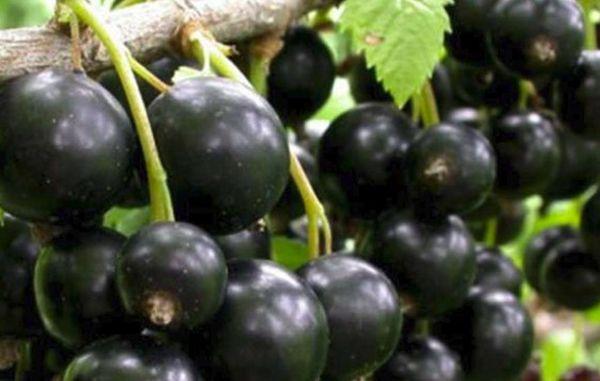
Blackcurrant "Zagadka" is a perennial shrub that begins bearing fruit in the second year of growth. Berries weigh 1.2 grams. From the age of four, the bushes are rejuvenated by the growth of shoots. In one location, it produces stable crops for up to 15 years.
Bush and root system
The bush reaches a height of 1.5 meters, with erect branches. Replacement shoots emerge from the ground, from which second-, third-, and fourth-order shoots develop, which are used to determine the plant's age. The Zagadka currant has fibrous superficial roots that extend 0.5 meters into the soil.
Leaf blades
The leaves of the currant 'Zagadka' are simple, petiolate.
Description of the sheet:
- size medium;
- round type;
- palmate-lobed shape;
- color light green;
- the edges are doubly serrate.

Fresh and dried leaves have a fragrant aroma and medicinal properties. They are used in traditional medicine recipes.

Flowering and pollination
The Zagadka variety is self-fertile, pollinating with its own pollen. Having currant varieties blooming at the same time in a plot attracts insects and bees, increasing yield.
Flowering begins when the air warms up from + 11 to + 14 C. The flowering period lasts up to 2 weeks.
Flower and mixed buds of currants are laid on the branches from mid-July.
Fruit ripening time
The ripening time of the harvest depends on agricultural practices, weather conditions, and climate zone. In warmer regions, currant harvesting begins in early July, while in the Urals, the mass harvest occurs in mid-July.
The Riddle is characterized by simultaneous ripening of berries.
Taste and yield
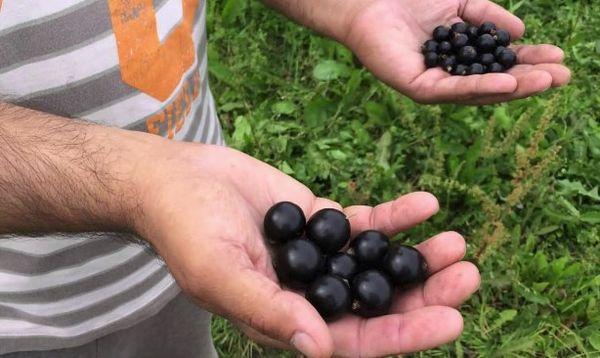
The berry has a sweet and sour, dessert taste, and a fragrant, pronounced currant aroma.
Yield depends on the plant's age, care, and weather conditions. A young bush yields 3 kg of berries, while a mature bush, with proper care, can yield up to 4 kg.
Scope of application of berries
The berries are eaten fresh, and are used to make compotes, preserves, jams, marmalades, juices, and nectars, both in private farms and on an industrial scale.
The Zagadka currant is used in winemaking.

Fresh and processed berries are used for baking and desserts.
Resistance to subzero temperatures and drought
The bushes tolerate frosts well – 26 C, snow cover protects the plant from low temperatures.
During the growing season, the Zagadka currant requires adequate soil and air moisture. Insufficient watering and hot summers reduce the berries' flavor and yield.
Immunity to diseases and pests
The riddle is immune to diseases and pests:
- powdery mildew;
- anthracnose;
- American powdery mildew;
- currant bud mite;
- spider mite;
- gooseberry sawfly;
- firefly;
- gall aphid;
- currant bud moth;
- glass case.
Immunity must be maintained by constant care of currant bushes and preventative treatments in the spring and autumn.

How to Plant Blackcurrants: A Mystery in the Garden
Following the rules for planting currant seedlings, a competent approach to selecting and preparing planting material, and good care of young bushes contribute to an early and abundant harvest.
Deadlines
Cuttings and seedlings are planted in early October to give them time to take root and successfully overwinter.
Cuttings taken in March are planted in holes prepared in the fall at an air temperature of + 6 C – the beginning of the currant growing season.
Take a look Also
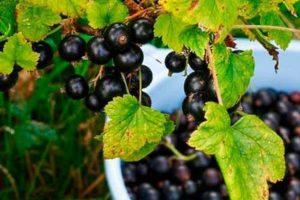
The seedlings take root in the spring before the heat sets in.
Selecting and preparing a site
Low-lying, moist areas are chosen for planting. Groundwater levels closer than 1 meter are detrimental to plants.
Prepare and plan the beds:
- remove weeds;
- dig the soil to the depth of a shovel blade;
- measure 2 m between rows, 1.3 m between bushes;
- Dig holes measuring 40 x 40 cm and 35 cm deep.
Seedling preparation and work procedure
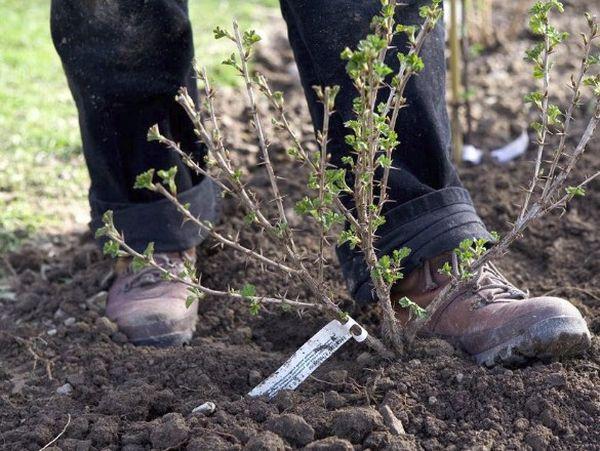
Before planting, trim off any diseased roots from the seedlings. Leave the shoots at a height of 20 cm.
A bucket of humus, 200 g of superphosphate, and 50 g of potassium sulfate are poured into the hole.
Seedlings and cuttings are planted at an angle of 45, deepen the shoots by 6–10 cm, leave 2–3 buds above the ground, water, and mulch.
Further care of currants
The Zagadka currant requires careful care. Proper agricultural practices throughout the growing season, maintaining the plant's immunity, and protecting it from damaging factors are the key to consistently high yields.
Watering
Throughout the summer, currants are watered with warm water, ensuring that the soil is as moist as possible and not allowing it to dry out.
Excess moisture in a rainy summer can cause root rot, so excess water is drained away from the bushes.
Loosening and mulching the soil
Loosening the soil ensures air access to the root system. After watering and rain, the soil is loosened to a depth of 6-8 cm under the bush and up to 15 cm beyond the bush.
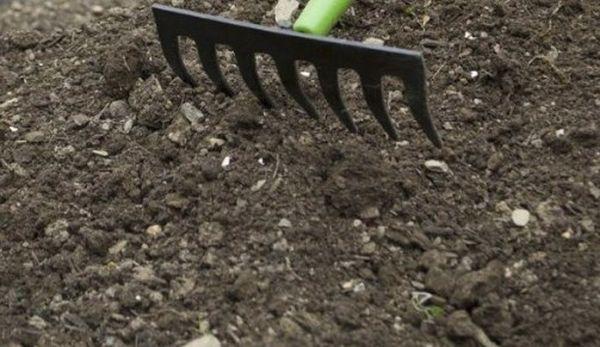
The bushes are mulched with peat, humus, and manure – this loosens the soil, retains moisture, protects against weeds and pests, and nourishes the plant.
Fertilization
Proper application of fertilizers when planting seedlings provides the plant with nutrition for 5 years.
In the 4th year of vegetation, during spring loosening, 20 g of ammonium nitrate or urea are added under the bush.
From the 5th year, during autumn digging, 20 g of superphosphate and potassium sulfate are added in combination with organic fertilizer.
Pruning: formative, sanitary, rejuvenating
At the end of the first year of growth, the bush has 4-5 young shoots. Formative pruning is performed every 4 years: 3-4 strong shoots are left annually; a 5-year-old bush has 14-18 branches of varying ages.
From the 6th year, the rejuvenation of the bush begins: old skeletal branches are removed, strong replacement shoots are left in their place, and the shoots are cut out.
During sanitary pruning the following is removed:
- sick, broken, branches lying on the ground and growing inside the bush;
- shoots that have grown from the bottom of adult branches;
- weak branches with few branches.
Pouring and hardening of bushes
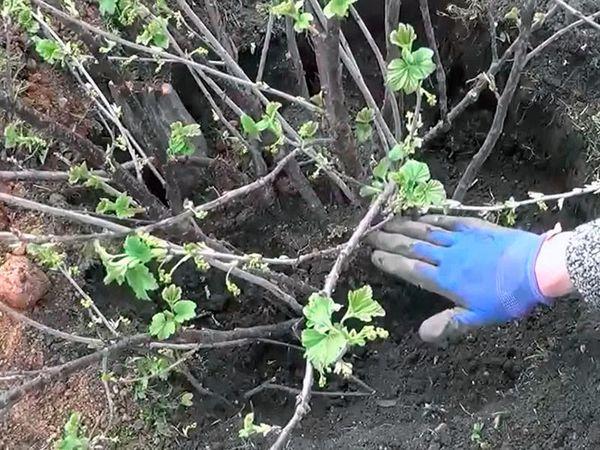
Pre-winter watering begins in late September. Create a ridge of soil around the bush, water the soil to a depth of 30 cm, and apply mulch on top.
Folk remedy: In February, pour hot water over the bushes (80 C) with laundry soap - this helps kill pest larvae and spores of pathogens.
Hardening of the root system is carried out in September, the first year of vegetation, for this the roots are exposed by 3 cm, with the onset of the first frosts the roots are dug in and mulched.
Preventive seasonal treatments
To prevent common and American powdery mildew, rust, and anthracnose, spray the bushes with Topaz before and after flowering.

To protect against mites, caterpillars, aphids, moths, and sawflies, treat in spring and autumn with the following preparations: Iskra, Hom, Fitoverm, Fufanon.
How to cover plantings for the winter
To protect against frost in winter, shields are constructed to hold back snow.
In snowless winters, branches are pinned to the ground with staples, 5 at a time, and covered with boards, covering material, bags of straw, and sawdust.
Methods of reproduction
Currants are propagated in 3 ways:
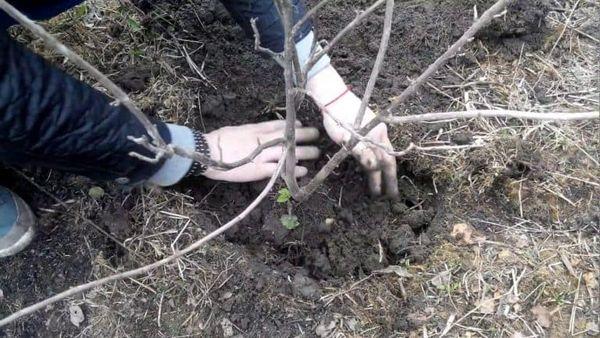
- Green or woody shoots, cut from zero shoots 20 centimeters long.
- By vertical or horizontal layering, rooted in grooves, bending and pinning zero or two-year-old branches.
- By dividing the bush. This method injures the plant.
Tips and advice from experienced gardeners
Folk methods for caring for currants Riddle, according to advice from amateur gardeners:
- planting between garlic and onion bushes – protection from ticks;
- spraying branches against ticks with garlic infusion;
- Adding 300 g of ash and 1 tbsp of ground pepper, red or black, to the soil during spring loosening will protect against fire moths.
Reviews of the variety
"I've been growing the Zagadka variety for 10 years. The berries are delicious. I preserve them for the winter and bake pies."
Anna K., Moscow region.
“I constantly harvest, the bushes don’t get sick.”
Safin Artem, Kazan.
"Currants overwinter well without cover in a region with risky farming."
Bashkiria, Salavat, Rosa G.
Related posts:
 Description and characteristics of the Zagadka tomato variety, yield and cultivation
 20 Best Blackcurrant Winter Preserves Recipes
 Description and rules for growing black currant variety Veloy
 Characteristics and descriptions of the 40 best red currant varieties
 The health benefits and contraindications of white currants
 TOP 10 recipes for red, black, and white currant sauce and ketchup for the winter, and how to store your preparations
 The health benefits and contraindications of black currants
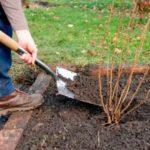 When is the best time to plant currants to get a good harvest?