
- Description and characteristics of the tomato Riddle
- What do the bushes look like?
- Appearance of fruits
- Resistance to diseases and pests
- Application of fruits
- Tomato yield: A mystery of nature
- Advantages and disadvantages of the variety
- Rules for growing tomatoes
- Timing and soil preparation
- Sowing and caring for seedlings
- Planting seedlings in the ground
- Aftercare
- How to fertilize tomatoes?
- Watering rules
- Formation of tomatoes
- Diseases and pests
- Harvesting and storage
- Feedback from those who planted
The Zagadka tomato variety attracts gardeners seeking an early harvest. These tomatoes were developed by Transnistrian breeders and boast a wide range of distinctive qualities. They are suitable for fresh consumption, canning, and long-term storage.
Description and characteristics of the tomato Riddle
When choosing pink Zagadka tomatoes, it's important to familiarize yourself with the variety's key characteristics. The variety description helps you create favorable growing conditions based on your specific needs.
What do the bushes look like?
Determinate plants have a strong trunk, average foliage, and a height of 45-40 cm when grown outdoors. When planted in a greenhouse, the bushes grow 10 cm taller.
Appearance of fruits
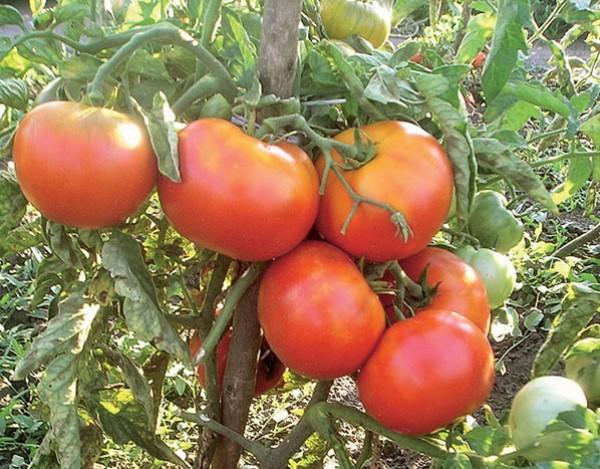
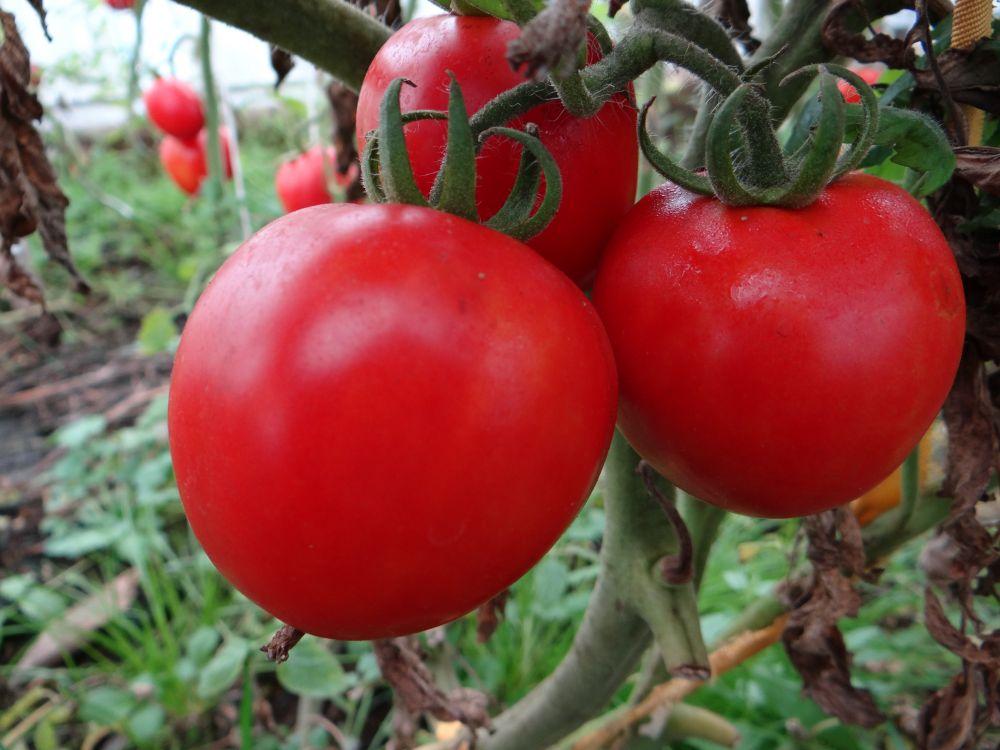
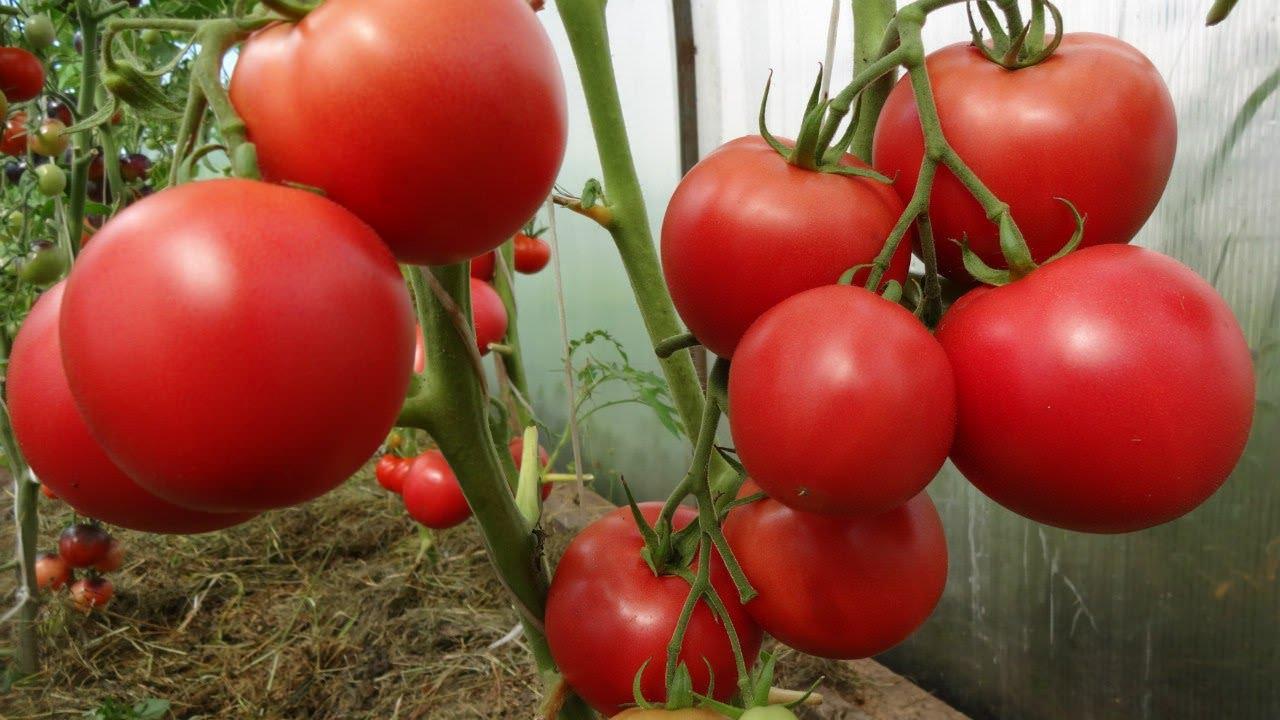
The vegetables are round, slightly ribbed at the stem. The skin color ranges from pink to deep scarlet. The flesh is firm, meaty, and slightly sweet. The fruits are resistant to cracking even in variable climates and excessive moisture.
Resistance to diseases and pests
The variety is highly resistant to many diseases, in addition to late blight. Its early ripening period allows for the bulk of the harvest to be harvested before late blight and pest infestations begin to spread.
Application of fruits
Zagadka tomatoes are versatile. The sweet fruits are used for fresh consumption, processing, pickling, and in various dishes.
Tomato yield: A mystery of nature
The variety's yield is average. Growing 6-8 bushes per square meter of land yields approximately 20 kg of fruit. The average yield per vegetable is 70-90 g in open ground and 100-110 g in a greenhouse.
Advantages and disadvantages of the variety
Zagadka tomatoes are prized by experienced gardeners for their extensive list of benefits. These include:
- early maturity of the crop;
- high taste characteristics;
- compact bushes with a minimum number of side shoots;
- ease of care;
- good transportability;
- commercial appearance of fruits.
The only minor drawback of this variety is its susceptibility to late blight. If the harvest is not collected in a timely manner, some of the vegetables will become infected.
Rules for growing tomatoes
To achieve a bountiful harvest, it's essential to follow proper vegetable growing practices. Favorable environmental conditions and proper agricultural practices contribute to increased yields and the preservation of excellent flavor.
Timing and soil preparation
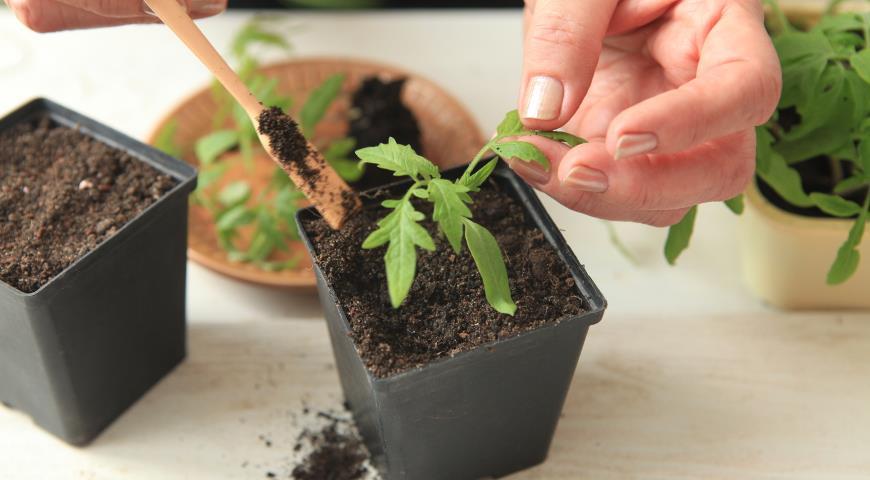
Seeds for seedlings are sown from late March to mid-April. To ensure vigorous seed growth, it's important to prepare the planting site and soil. Fill the seedling containers with a mixture of soil, humus, peat, and sand. The soil should be well-drained, moist, and nutritious.
Sowing and caring for seedlings
The seeds are planted no more than 3 cm deep in the soil mixture. To simplify the sowing process, you can scatter the seeds over the soil surface and cover them with a thin layer of soil. Once 1-2 leaves have formed, the seedlings are transplanted into individual containers. Water the seedlings as the soil dries.
For intensive growth, it is necessary to apply fertilizers with a high content of nitrogen, potassium and phosphorus.
Planting seedlings in the ground
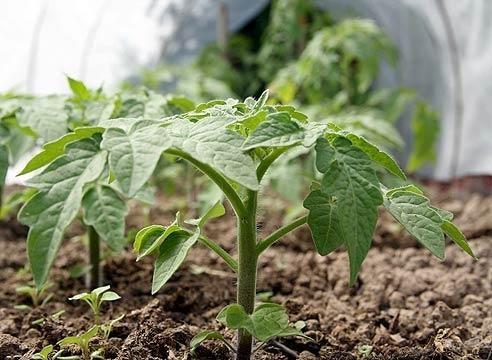
40-45 days after sowing, the seedlings are transplanted into open ground. However, if planting seedlings outdoors is planned, it's important to wait until the weather stabilizes. It's recommended to plant the plants on cloudy days or early in the morning in sunny areas protected from drafts and groundwater flooding.
The distance between seedlings and rows should be approximately 0.5 m. Up to six bushes can be planted per square meter. Place the seedlings into the dug holes along with a lump of soil, pressing the roots down with soil as you fill them. The soil surface should be level with the first leaves. Immediately after transplanting, thoroughly water the seedlings.
Aftercare
When planting Zagadka tomatoes in open ground or a greenhouse, comprehensive care is required to ensure a regular harvest. This vegetable variety requires consistent watering, fertilizing, bush training, and protective spraying.
How to fertilize tomatoes?
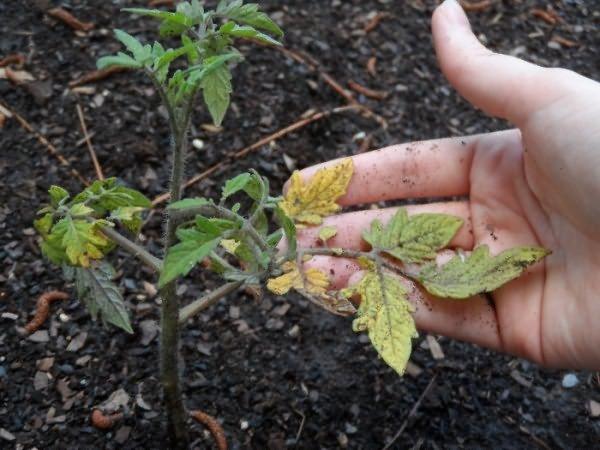
Fertilizer should be applied to the soil at least three times during the growing season. The first application is required one week after planting the seedlings. Subsequent applications are made during flowering and 7-10 days before the expected fruit ripening. Mineral and organic fertilizers containing potassium, phosphorus, saltpeter, and other nutrients are suitable for the Zagadka tomato variety.
Watering rules
Moisten the soil as it dries out. To prevent overwatering, check the soil to a depth of 1-2 cm. Overwatering can lead to root rot and subsequent plant death. It is recommended to use warm water for watering. If plants are planted in open ground, it is better to moisten the soil in the evening and avoid allowing liquid to come into contact with the surface of the leaves.
Formation of tomatoes
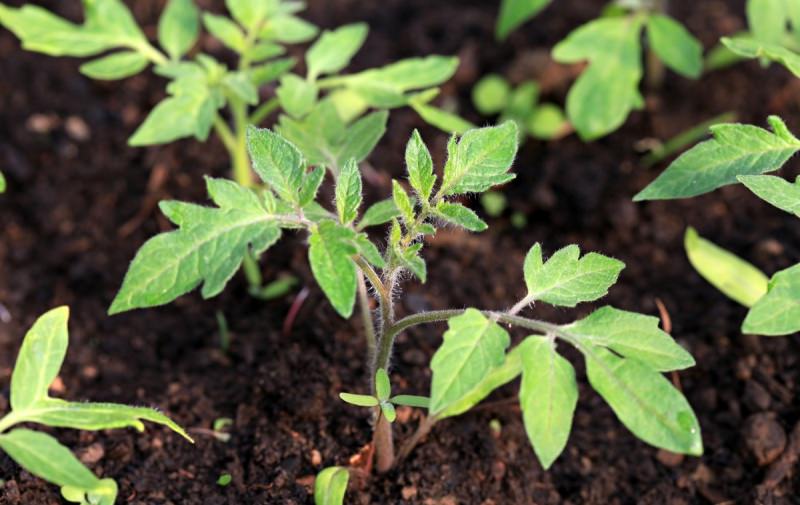
The minimal number of side shoots simplifies care, as the bushes don't require pruning. To ensure fruit ripening, simply trim the dense foliage periodically to allow sunlight to reach the tomatoes. Supporting the plants is unnecessary due to their low height.
Diseases and pests
The fruits of the Zagadka tomato variety are highly resistant to diseases and harmful insects. Most of the harvest ripens fully before the onset of late blight symptoms and the spread of other dangerous fungal diseases.
With proper care, plants produce crops without treatment with protective agents.
For preventive purposes, it is permissible to spray with fungicidal and insecticidal preparations several times per season.
Harvesting and storage
The ripening period for Zagadka tomatoes is 80-85 days. Ripe fruits should be carefully picked from the bush or cut off with the stems attached. The uniform ripening of the vegetables allows for a short harvest.
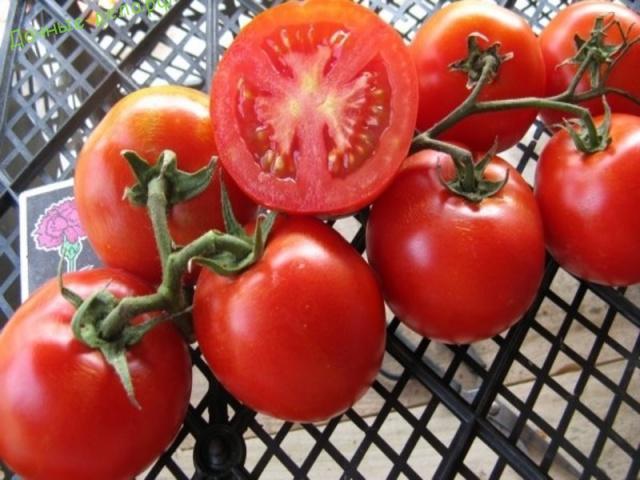
Tomatoes can be stored in the refrigerator, sealed in plastic bags, or in a cool, dark place, packed into boxes. Fresh tomatoes are best consumed within a month of harvesting or used for canning. If stored longer, tomatoes will begin to lose their original flavor and aroma.
Feedback from those who planted
Lydia: "I always plant several varieties, and last season the Zagadka tomatoes performed the best. I had a very good harvest, and I pickled most of them."
Vladimir: "I grew this variety in a greenhouse and had no pest problems. I managed to harvest 30 kg of tomatoes."
Related posts:
 Description and cultivation of the black currant variety Zagadka
 Description of the grape variety "Zagadka Sharova", planting and care rules
 The best eggplant varieties for growing in a polycarbonate greenhouse: planting and care
 What is the best way to feed tomato seedlings to make them plump?
 Description and characteristics of the sweetest tomato varieties for greenhouses and open ground
 Rules for growing tomatoes in open ground, choosing a variety, planting and care
 How to prepare soil for tomato seedlings yourself
 The best grape varieties for growing in the Urals, planting and care rules in summer