
The Bear's Track tomato is an indeterminate, drought-resistant variety characterized by its large growth habit and unique leaf shape, hence its name. If you follow all the growing guidelines, you can reap a bountiful harvest.
Description of the Bear's Track variety
Below, the characteristics and description of the Bear's Trace variety will be presented.
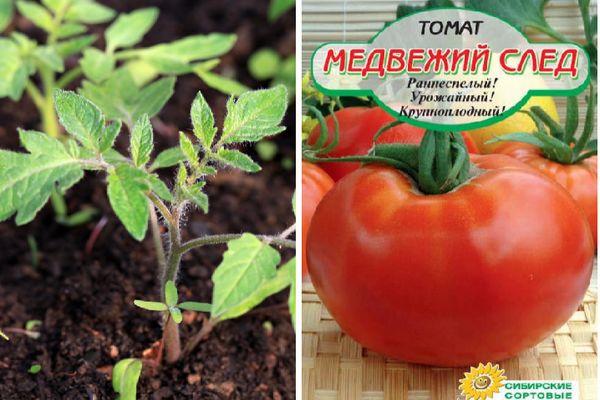
Among large-fruited varieties, these tomatoes have the best parameters:
- The variety's main advantage is its undemanding nature. These tomatoes can grow in any climate, in virtually any region of our country.
- Tomatoes have excellent immunity, so they are resistant to various diseases and easily tolerate both cold and heat.
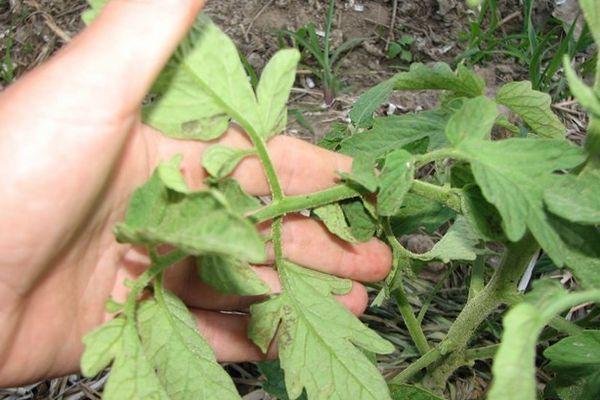
- A tomato bush can reach a height of over 1 m. If the seedlings are healthy and strong, the bush can grow up to 1.5 m. The leaves are large, dark green, and have serrated edges.
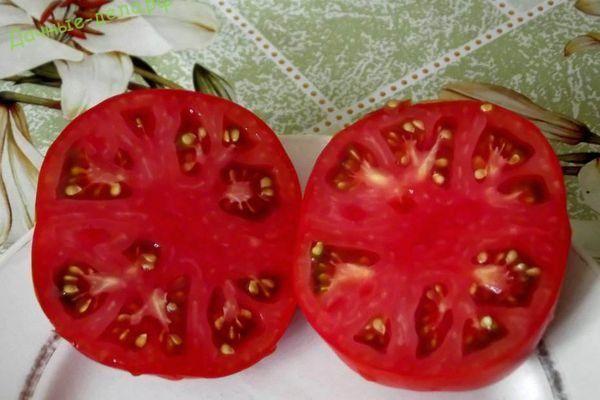
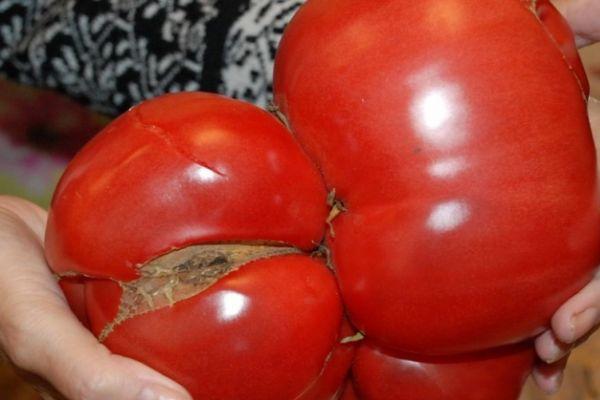
- The fruits are round, flattened on the sides. These tomatoes are giants. The weight of a single fruit can vary from 250 to 500 g. The fruit has dense, dark red flesh.
Gardeners' reviews indicate that, with proper watering, a single plant can yield about 10 large fruits with a pleasant sweet flavor. Bear's Track tomatoes can be grown both outdoors and in greenhouses. In northern regions, they are primarily grown in greenhouses.
This is a mid-late ripening plant. It takes about 115 days from sowing to harvest. Even if the tomatoes are rarely watered and the soil is not fertilized, the yield will still be high.
The bush needs to be trained. If side shoots are not removed, the plants will grow to a height of over 2 meters. When pinching, leave no more than two stems on each bush. The bush should be grown by tying it to a support. Without this, the tomatoes will bend under the weight of ripe tomatoes. Each shoot produces about 5 large fruits. Bear's Track is easy to transport and can be stored for a long time.

How to grow Bear Track tomatoes?
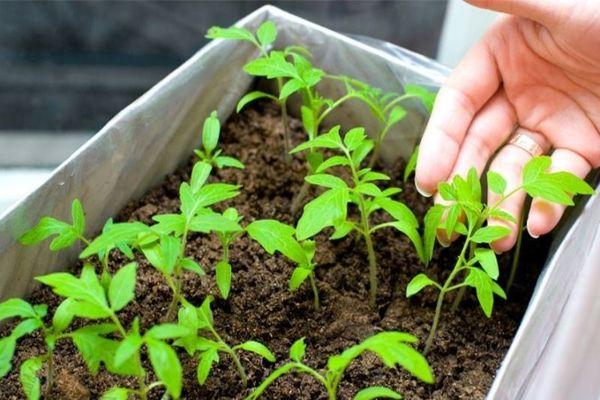
The variety description outlines the key requirements for growing large-fruited tomatoes. The time for sowing seeds depends on whether the crop will be grown in a greenhouse or in the open ground. In greenhouses, sowing should begin in February. If tomatoes are grown outdoors, sowing should begin in late March.
Gardeners' reviews indicate that this variety requires long periods of sunlight, so sowing the seeds in the last ten days of March will ensure the tomatoes receive sufficient sunlight. In a greenhouse, optimal temperature and humidity must be maintained to ensure good germination. If the seedlings are too thin, they are not receiving enough sunlight. Therefore, the lack of natural light should be compensated for by artificially lighting the plants using fluorescent lamps.
When planting tomato seedlings in the ground, take weather conditions into account. In warmer regions, planting can begin in mid-May. In cooler climates, planting should begin after the threat of frost has passed.
You cannot plant seedlings in cold, unheated soil, since even covering them will not help the plant develop normally. Care involves regular watering, loosening the soil, and hilling the plants. Hilling is done to encourage additional root formation. This variety's root system should be strong and penetrate deep into the soil.
Gardeners' reviews indicate that, with proper care, tomatoes grow large, have a sweet flavor, and firm flesh. Tomatoes contain more pulp than seeds. The fruits are eaten both fresh and cooked. They are excellent for canning, fermenting, pickling, making sauces, side dishes, and seasonings, as well as boiling and frying.

Thus, according to reviews from those who have grown the Bear's Track variety, these tomatoes are easy to grow, resistant to disease and adverse weather conditions, and have excellent fruit set and high yields.
Related posts:
 Description of the best varieties of black tomatoes for open ground and greenhouses
 TOP 17 recipes for pickled sweet tomatoes for the winter
 What varieties of tomatoes are best to plant in a polycarbonate greenhouse?
 Description of the Bear Paw tomato variety, cultivation and care features
 TOP 19 step-by-step recipes for preparing tomatoes for the winter
 11 Best Recipes for Preserving Tomato Slices for Winter
 Recipes for amazing tomatoes in jelly for the winter, with and without sterilization, you'll lick your fingers
 Delicious recipes for canned tomatoes with honey for the winter, preparation steps