
- Description of the Andromeda tomato
- Fruit
- Bushes
- Characteristics of tomatoes
- Types of varieties
- Golden
- Pink
- Andromeda F1
- Pros and cons
- How to grow a plant?
- Planting dates
- Soil preparation
- Growing seedlings
- Transplantation into open ground
- How to care for tomatoes?
- Watering tomatoes
- How to fertilize tomatoes?
- Pest and disease control
- Harvesting, storage and use of crops
- Reviews of the Andromeda tomato
The Andromeda tomato variety is an early-ripening, high-yielding variety. This hybrid variety is easy to grow, yet produces a bountiful harvest throughout the entire fruiting season.
Description of the Andromeda tomato
Before purchasing tomato planting material, it's important to read the description of the bush. This will allow you to decide on a planting location in advance and save time when laying out the beds.
Fruit
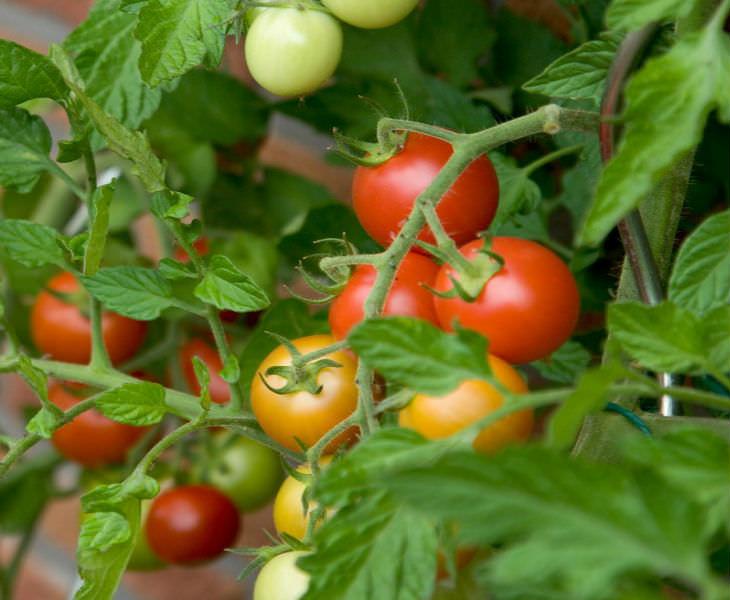
The Andromeda hybrid comes in pink and yellow varieties. The tomatoes average 80 to 130 g in weight. The skin is glossy, smooth, and unribbed, even near the stem. Yellow varieties produce larger tomatoes. Yellow tomatoes can weigh up to 250 g.
The pulp is juicy and sweet. The fruit contains a small number of seeds. On a tasting scale, the Andromeda variety received a 4.6 out of 5 points.
Bushes
This tomato variety is a determinate (low-growing bush) plant. It grows from 50 to 65 cm in height. The plant is moderately branched, with medium-length stems. It has abundant foliage. In a greenhouse, it reaches approximately 1 m in height. It is not a standard variety. The leaves are a rich green. The bushes emit a strong tomato "aroma," characteristic of tomato plants.
Characteristics of tomatoes
The Andromeda hybrid boasts excellent yields. A single mature tomato plant can yield up to 12 kg of tomatoes per season. Regular fertilizing throughout the season can further increase yields. Andromeda is immune to most agricultural diseases.
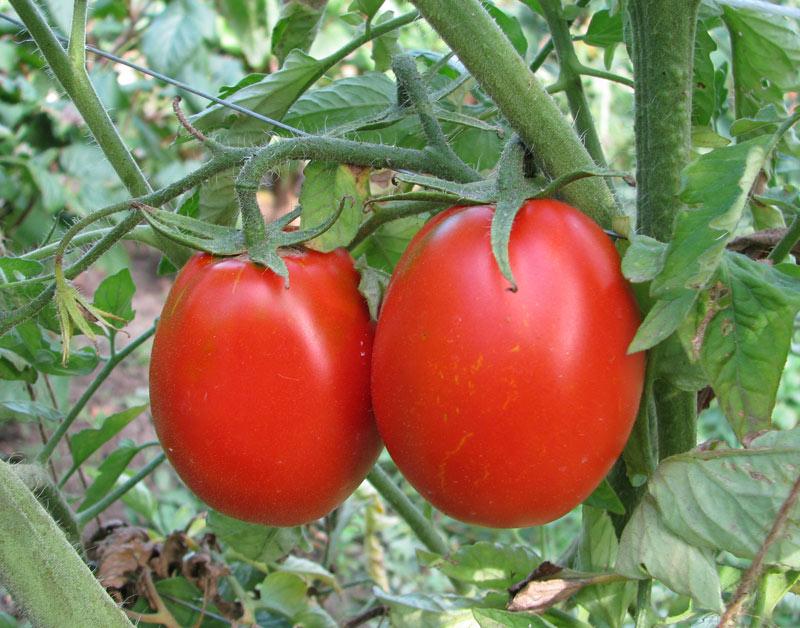
Andromeda is an early tomato variety. The first ripe tomatoes appear on the bushes 90-105 days after planting the seeds.
Cold tolerance is average. Sudden temperature drops can kill the bushes. The optimal temperature is considered to be 22–24°C.
Since the variety belongs to the second generation hybrids, it will not be possible to grow seedlings from the collected seeds. To replant Andromeda in your garden, you will have to buy new seeds.

Types of varieties
There are several varieties of the Andromeda variety. The main differences between these varieties are the color of the tomato skin and their flavor. The care and planting of these varieties are the same.
Golden
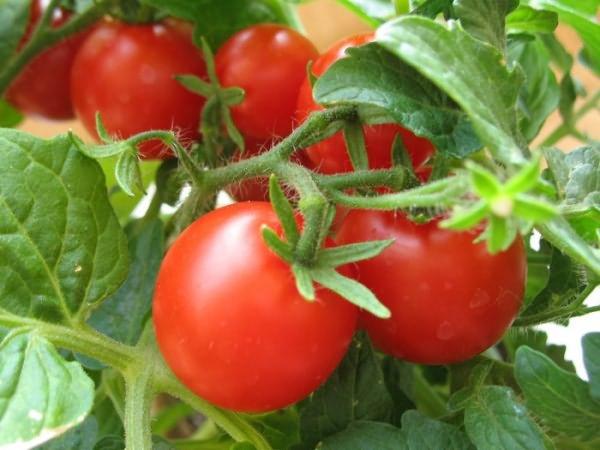
Yellow-fruited varieties have a rich yellow-orange hue. Moreover, unlike pink hybrids, the golden variety has a slight ribbed texture on the skin.
Yellow Andromeda has larger fruits.
Pink
The pink Andromeda hybrid is characterized by its early ripening time. The pink variety is also more drought-resistant. Tomatoes weigh between 70 and 135 g. The skin is smooth, with no ribbing.
Andromeda F1
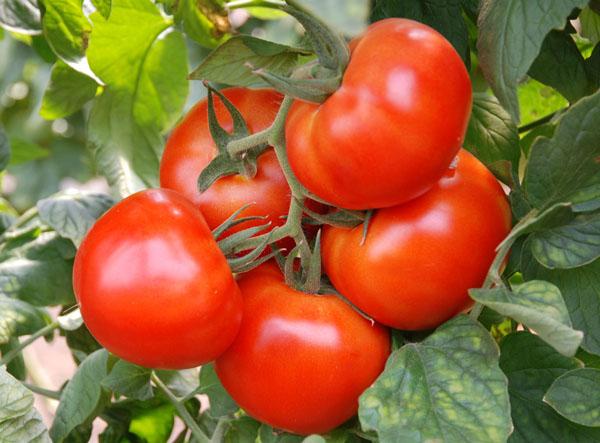
Andromeda F1 is a second-generation hybrid, meaning the seeds are not suitable for further planting. Andromeda F1 has a red, glossy skin. The flesh is juicy and sweet.
Pros and cons
The advantages of the Andromeda hybrid include:
- Early maturity.
- The taste of vegetables.
- Productivity.
- Drought resistance.
- Low maintenance.
- Having immunity to diseases.
Disadvantages include the inability to collect seeds for further planting of seedlings and average resistance to cold weather.
How to grow a plant?
Before planting tomato seedlings, it's important to determine the timing. It's also important to prepare the tomato seedlings in advance to increase germination.
Planting dates
The Andromeda tomato is an early-ripening hybrid, so the seeds can be sown in the ground in early March. The seedlings can be transplanted to their permanent location in early May (provided the weather is warm).
Soil preparation
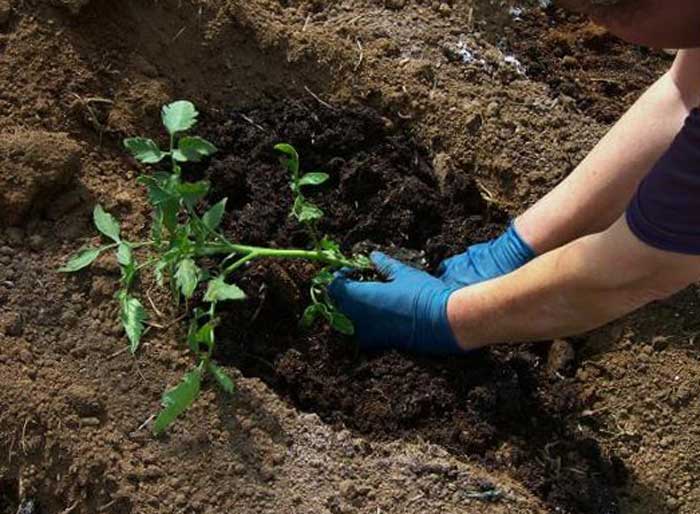
The soil for tomatoes can be prepared in advance in the fall after the harvest. The soil is dug, weeds are removed, and the soil is mixed with manure. In the spring, after the soil has warmed up completely, it is dug again. Then, beds and holes are made 10 cm deep.
Growing seedlings
To increase seed germination, they are germinated before planting. Germination of tomato planting material:
- Cut a piece of gauze or natural thin fabric.
- Soak it in water and place the seeds inside.
- Cover with the second piece of gauze, place the gauze in a saucer and place it on the radiator.
- It is important not to let the gauze dry out and to regularly spray it with water.
Take a look Also
In 2-3 days, the seeds will begin to sprout. After this, the seedlings are transplanted into the soil.
Planting seeds in the ground:
- Drainage is poured into the bottom of the container, then soil.
- Furrows 1-2 cm deep are made in the soil.
- Fill the seeds and lightly cover them with soil.
- Pour water over it and cover with glass.
- Place the container on the south-facing windows.
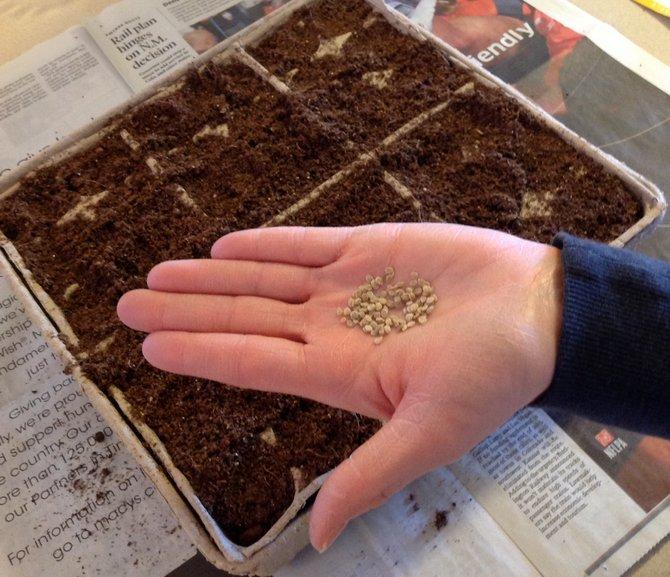
When sprouts begin to appear, the glass is removed and the container is placed so that it is in the sun for most of the day.
Transplantation into open ground
The seedlings are transplanted into open ground in May, when there is no risk of frost at night. They are planted 30-45 cm apart. At night, the bushes are covered with a warm cloth for the first few weeks, even if there is no frost.
How to care for tomatoes?
Caring for tomatoes includes watering, fertilizing, disease prevention, and bush shaping.

Watering tomatoes
During the first half of the season, tomatoes require ample watering. Seedlings are watered every two days. As the plants grow, they are watered every 10 days. After the tomato plants begin to set fruit, the beds are watered once a week. If it rains, they don't need to be watered at all.
How to fertilize tomatoes?
Before fruit set, tomatoes are fertilized with nitrogen. Nitrogen accelerates bush growth and fruit set. After fruit set, phosphorus and potassium are added to the soil. Potassium and phosphorus have a beneficial effect on yield and also improve the taste of tomatoes. Organic matter (manure, urea, wood ash, and mullein) is also added.

Pest and disease control
One month after planting, treat the seedlings with Ridomil Gold. Repeat treatment after two weeks. To prevent tomato diseases, avoid dense plantings and water the beds with cold water. Garlic and marigolds can be planted in the tomato beds. The scent of these plants repels pests.

Harvesting, storage and use of crops
Tomatoes are harvested as soon as the red fruit appears. Leaving the fruit on the vine for too long is not recommended, as it will begin to crack. Store the harvested crop in a cool, dark place. Lay the harvested tomatoes out in a single layer. If any rotten tomatoes appear, discard them immediately to prevent the rot from spreading to other tomatoes.
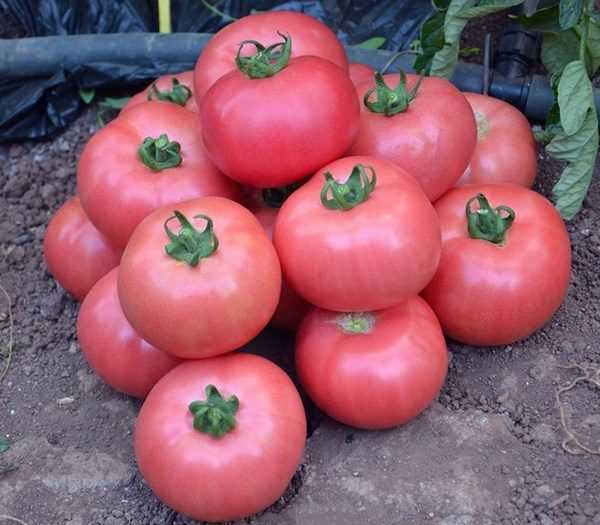
Tomatoes are suitable for making salads, pickling, whole canning and making tomato juice.
Reviews of the Andromeda tomato
Reviews from gardeners who planted the Andromeda variety.
Marina, 34: "I planted the yellow Andromeda tomato. The tomatoes grew large, even enormous. The flavor was amazing. They ripened very early and the plants produced fruit all summer. I'm happy with the variety. I'll plant them again next year."
Vasily, 49: "I planted the Andromeda variety at my dacha this summer. I rarely went there, so the tomatoes grew naturally. But even without any care, the harvest was quite good. The tomatoes were large and sweet. It's a shame I can't collect seeds for replanting."
Related posts:
 What is the best way to feed tomato seedlings to make them plump?
 Description of the best varieties of black tomatoes for open ground and greenhouses
 What varieties of tomatoes are best to plant in a polycarbonate greenhouse?
 15 simple recipes for pickling tomatoes in jars for the winter
 What fertilizers and when to use for feeding tomatoes in a greenhouse
 The best and most productive tomato varieties for greenhouse cultivation in the Urals, with descriptions
 TOP 17 recipes for pickled sweet tomatoes for the winter
 Description of the best tomato varieties for greenhouses in the Kirov region