
Every vegetable gardener strives to grow tomatoes that are high-yielding and easy to care for. The Pharaoh F1 tomato is one such variety. It possesses all the positive qualities of a nightshade crop.
Tall bushes bear fruit continuously when grown in greenhouse conditions, but many gardeners also successfully grow them in open ground.
Before you begin growing the Pharaoh tomato in your garden, it's worth studying the variety's description and familiarizing yourself with the manufacturer's recommendations regarding agricultural practices.
The main advantages of the variety
When describing the Pharaoh variety, it's worth mentioning first that this indeterminate plant reaches a height of up to 2 m. It requires training into a single stem. This will help direct the plant's energy toward feeding the fruit clusters.
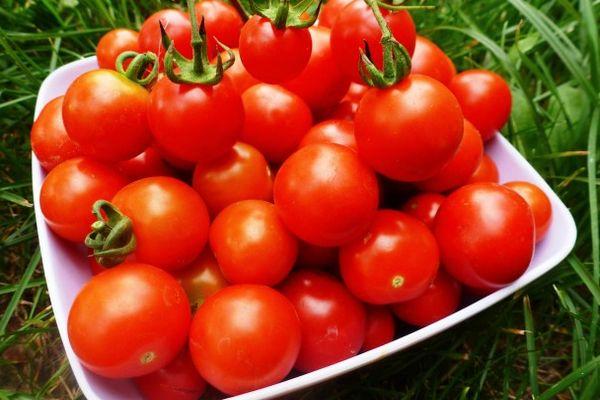
It's necessary to remove side shoots from the plant. During the period of active growth and when the first fruits appear, provide the bush with additional support and tie the branches to a horizontal bar.
General characteristics of the Pharaoh tomato:
- This tomato is a mid-season variety. It takes 110-115 days from the first shoots to harvest.
- The bush has a strong root system that extends 1.5-2 meters into the ground. This allows the plant to tolerate low moisture levels without losing fruit and is resistant to temperature fluctuations.
- The foliage is light green and standard in shape. The bush is not densely filled with foliage.
- The inflorescence is initiated after the 10th to 12th leaf. Subsequent clusters form after 3 leaves.
- At the end of the growing season, it is necessary to pinch off the growing point.
- The plant is resistant to fungi such as late blight and tobacco mosaic virus.
- The Pharaoh variety has a high yield. Up to 12 kg of tomatoes can be harvested per season per square meter.
- Tomatoes have good shelf life; if all storage conditions are followed, they can be stored for about 1 month.
- Are tomatoes suitable for long-distance transportation?
The plant is low-maintenance. However, experienced gardeners say the Pharaoh variety appreciates regular and abundant watering.
Description of fruits
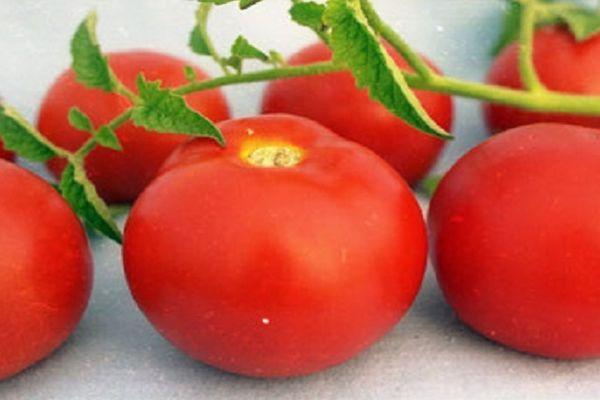
- Tomatoes of the Pharaoh variety are round in shape, slightly flattened at the top.
- They are bright red in color, evenly colored, without any inclusions or spots.
- 3-4 tomatoes are formed on 1 brush.
- The tomatoes are large. Each fruit weighs between 150 and 200 g.
- The fruits have a strong, dense skin, smooth and shiny, which reliably protects from sunlight.
- Pharaoh tomatoes are not prone to cracking.
- The fruits are suitable for general use and have excellent taste. They are juicy, aromatic, and have a distinct tomato flavor. They are suitable for canning, juicing, and eating fresh.
The Pharaoh variety is grown using seedlings.
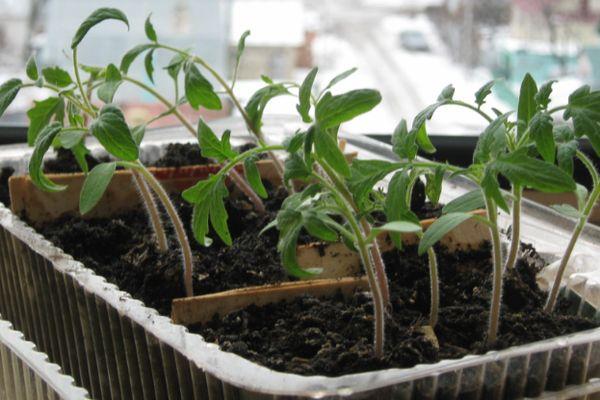
Rules for growing seedlings
Seeds for seedlings are sown in late February or early March. General-purpose soil or soil enriched with peat is used for this purpose. Many prefer to prepare their own mixture of turf, peat, and coarse sand.
The soil for the seedlings should be moist and loose. Lightly compact the bottom layer of soil and make holes 1.5-2 cm deep. Place the seeds in these holes and cover with peat or a prepared soil mixture.
Immediately after planting, water the seedlings and cover the container with plastic wrap. Store the seedlings in a warm room at a temperature of 22 to 25°C. Periodically mist the soil and remove the plastic wrap for ventilation. It's important to prevent dampness and mold from forming in the soil.
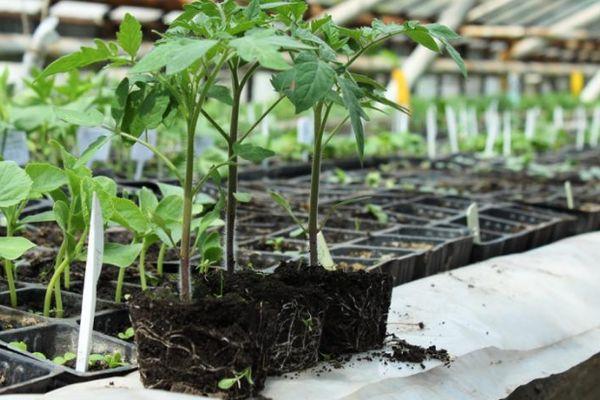
As soon as the first sprouts appear, the film is removed and the plants are moved to a sunny location. These are most often balconies or windowsills. At 55-65 days old, Pharaoh tomato seedlings can be transferred to a greenhouse.
Before planting, the soil should be fertilized with organic matter or complex minerals. Nitrogen and potassium, as well as superphosphate, are beneficial for nightshades.
The holes should be 50 cm apart from each other, and 40 cm between rows. To provide additional nutrition and prevent the soil from drying out, the holes should be mulched. Watering is carried out with settled warm water.

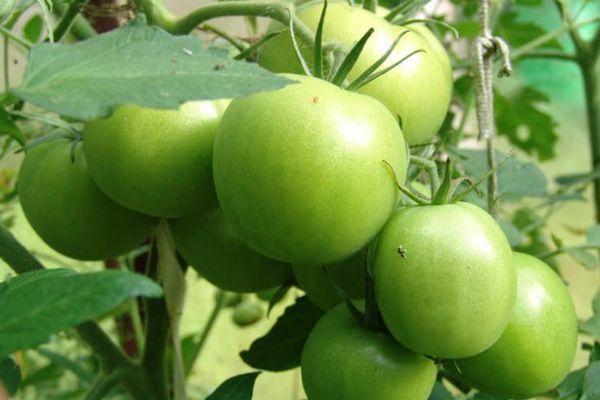
Care for seedlings is as follows:
- Treatment of bushes with chemicals against fungi and pests.
- Regular watering of nightshade crops.
- Weeding the beds.
- Top dressing with mineral fertilizers.
- Pinching out side shoots as needed.
- Loosening the soil.
It is important to carry out agricultural measures in a timely and regular manner.
Related posts:
 Description of the best varieties of black tomatoes for open ground and greenhouses
 What varieties of tomatoes are best to plant in a polycarbonate greenhouse?
 Description of varieties of sowing peas and cultivation, to which family they belong
 How to grow cherry tomatoes on a balcony: suitable varieties and planting and care guidelines
 Description of the best Dutch tomato varieties for greenhouses and open ground
 15 simple recipes for pickling tomatoes in jars for the winter
 The best grape varieties for growing in the Urals, planting and care rules in summer
 11 Best Recipes for Preserving Tomato Slices for Winter