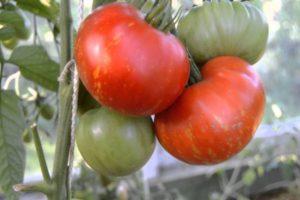
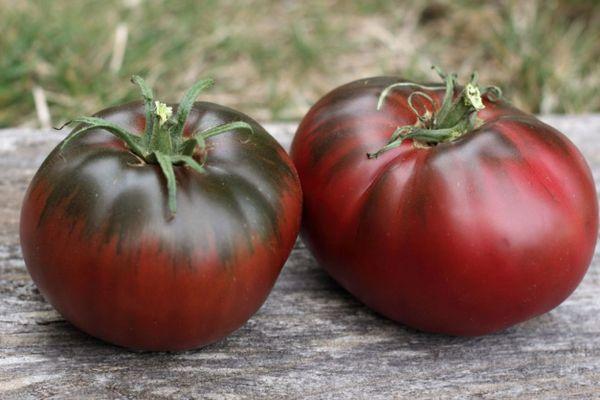
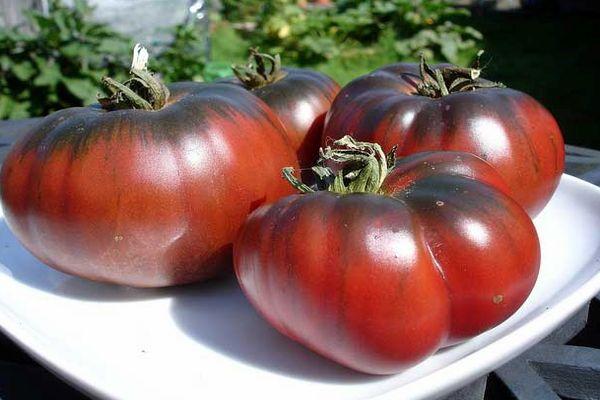
Among the many varieties of tomatoes, the Paul Robeson stands out for its unique coloring—glossy, chocolate-colored skin with a green tint at the stem. The seeds are produced by the St. Petersburg-based agricultural firm Biotekhnika. At the international tomato tasting exhibition Caramel Tomato Fest, these dark-skinned tomatoes were recognized as among the best for their combination of aroma and flavor.
What is the Paul Robeson tomato?
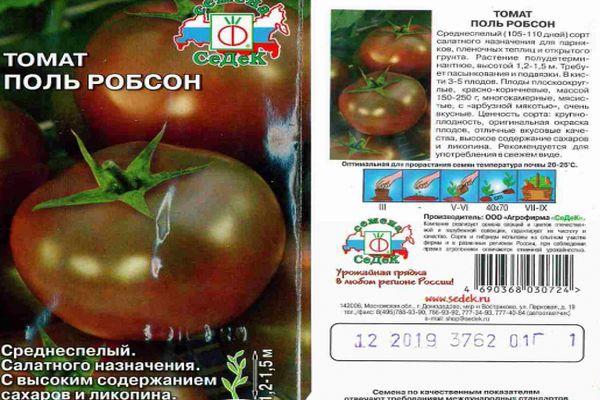
Characteristics and description of the Paul Robeson variety:
- This variety is grown mainly in hotbeds and greenhouses, but it will also grow just as well in the garden or open ground.
- Tomato Paul Robson belongs to the mid-season and even late varieties.
- The entire ripening period lasts 115-120 days.
- The plant belongs to an indeterminate variety; the bushes are not spreading, but grow mainly upwards.
- Growth stops after the formation of the 7th brush.
- The leaves are medium sized, dark green.
- One brush produces 4 or 5 fruits weighing from 70 to 300 g.
- The weight and yield of tomatoes depend on soil fertility, bush formation and quality of care.
- Once harvested, tomatoes can be stored for a long time and tolerate transportation well.
- Unripe fruits ripen well at room temperature.
Paul Robeson tomatoes are renowned for their high levels of nutrients, including lycopene and sugar. This variety is ideal for those who are intolerant to red tomatoes.
How to grow tomatoes?
Below we'll discuss the growing process for Paul Robson tomatoes. Seeds are sown in the second half of March. To accelerate plant growth, the seeds are soaked in a growth stimulant to ensure maximum germination. The soil or substrate should be enriched with sand and wood ash. The soil should be light and free of pathogens.
For seeds to germinate, the air temperature must be at least 23°C. Once the seedlings emerge and the first leaves appear, the next step is transplanting. At this stage, the seedlings are fertilized and hardened off by periodically taking them outside.
At the end of May, once the frosts have passed, it's time to plant outdoors. If grown in a greenhouse, transplanting can be done a little earlier.
Before transplanting seedlings, it's important to remember one thing about the soil: it shouldn't be too acidic, as this will affect the taste and productivity of the tomatoes. It's a good idea to fertilize and loosen the soil. Add a mixture of superphosphate and potassium sulfate to each hole. Plant three plants per square meter.
As for watering, it's important to be moderate. The soil should be moist, not wet, to prevent the plant from becoming diseased or rotting. Water the bushes as the soil dries out, but not with very cold water.
Bush formation is a crucial aspect of tomato care. Shoots are removed above the fifth cluster, leaving three or four flowers on each. The bush is trained into two stems. Once the ovaries begin to set, the roots are fed with magnesium sulfate. When side shoots appear, side shoots are removed, which improves the taste and size of the fruit. Side shoots should be removed by hand as they appear.
The plant must be tied to a support to prevent it from breaking under the weight of the clusters. Regular weeding and mulching will only increase the yield.
Those who have planted Paul Robeson tomatoes have mixed reviews. Many are satisfied with the taste and harvest. However, there are also negative reviews about low productivity and mediocre fruit flavor.
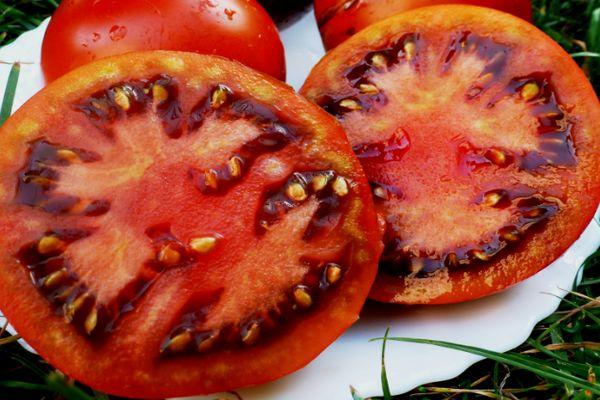
This most likely depends on the quality of the seeds, soil composition, and care practices. The problem may lie in improper fertilizer application. For example, during flowering, the plant should receive sufficient calcium, potassium, phosphorus, iron, and a full range of micronutrients. During the second half of its development, nitrogen levels should not exceed the recommended levels.
Related posts:
 What is the best way to feed tomato seedlings to make them plump?
 Description of the best varieties of black tomatoes for open ground and greenhouses
 What fertilizers and when to use for feeding tomatoes in a greenhouse
 What is the best way to mulch tomatoes in open ground and greenhouses?
 Description and characteristics of the best indeterminate tomato varieties for greenhouses
 How to prepare tomato seeds for planting seedlings
 Description of the best tomato varieties for pickling and canning
 Characteristics and description of the Novichok tomato variety, yield and cultivation