
- Description of Novichok tomatoes
- Characteristics of the bush
- Fruit
- In which regions is it grown?
- Productivity and application
- Advantages and disadvantages of the variety
- Features of cultivation
- How to grow seedlings
- Seed preparation
- Preparing soil and containers
- Sowing seeds
- Features of seedling care
- Planting seedlings
- Rules for caring for tomatoes
- Watering
- Top dressing
- Garter
- Diseases and pests
- Features of planting and growing at home on the balcony
- Collection and storage
- Reviews from experienced gardeners who planted
The Novichok tomato variety embodies the best qualities of tomatoes—high yields and excellent flavor—and has thus gained widespread popularity among experienced gardeners and tomato enthusiasts. Thanks to Volgograd breeders who developed this tomato variety over a quarter century ago, such an easy-to-care-for variety was created. Now, the fruits of this tomato variety are used in summer salads and for canning for the winter.
Description of Novichok tomatoes
The variety, added to the State Register in the 1990s, was developed by agronomists Chulkov and Popova. According to official data, Novichok can be grown both in open ground and under temporary plastic cover, on farms or in private plots.
Harvesting tomatoes over large areas can be done using mechanized equipment.Two companies produce seeds for this variety. Poisk produces the classic Novichok and Pink Tomato, while Gavrish produces the Novichok Deluxe.
Characteristics of the bush
The determinate tomato variety Novichok has a compact bush, reaching a height of about 85 centimeters. This tomato variety is not a standard variety; however, due to its low growth and limited branching, it still requires staking.
The leaves of this plant are a distinctive green color and medium in size. The first flower cluster appears at the level of the sixth or seventh leaf of the plant. Subsequent inflorescences grow throughout the bush, extending from every leaf or two. A single cluster can produce up to five tomatoes.
Fruit
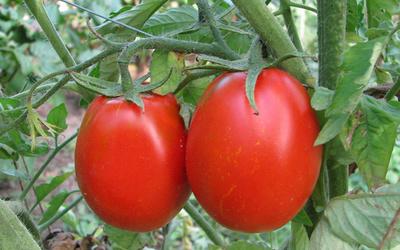
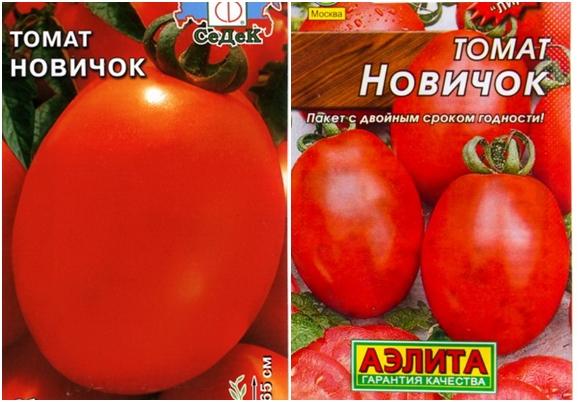
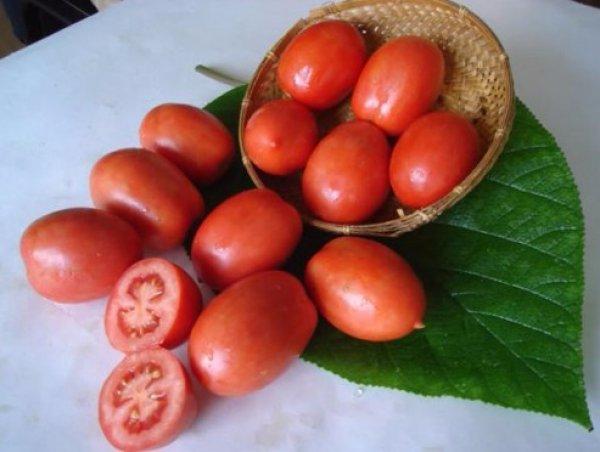
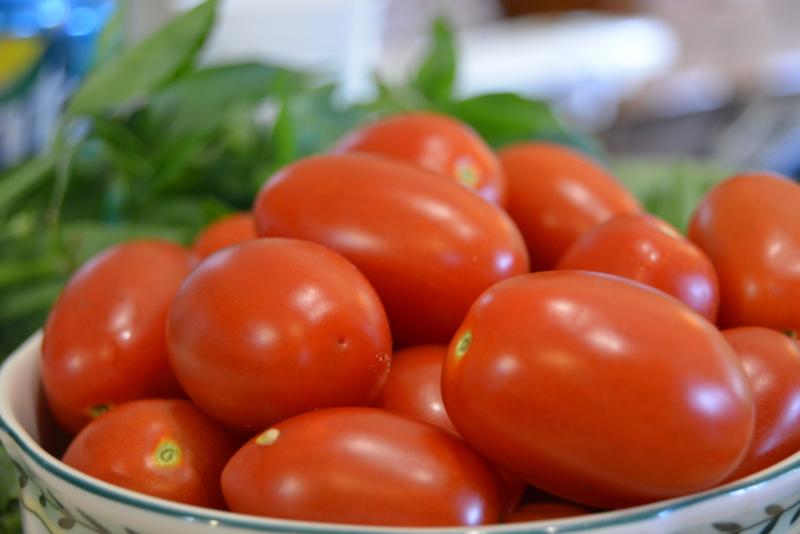
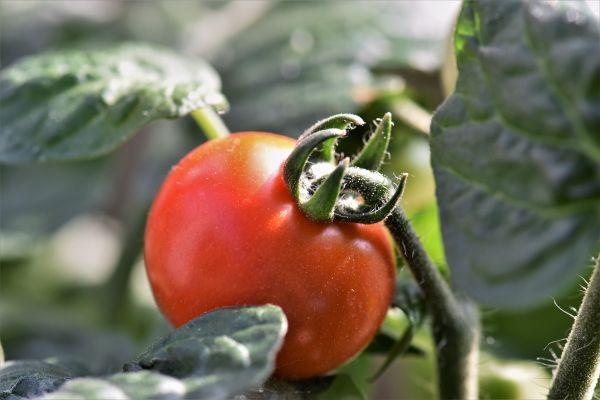
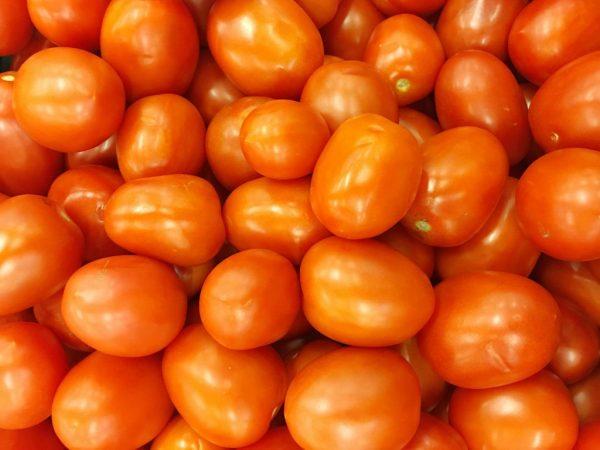
The fruits of this variety are oval, cream-shaped. Each tomato is divided into 3-5 chambers on the inside. The color of the tomatoes depends directly on the variety and can range from pink to orange and red.
In addition, the fruits of Novichok are smooth, without any spots or cracks on the surface and with a fleshy interior.
Each tomato weighs approximately 100 grams. The rich flavor of this aromatic tomato is complemented by a hint of tartness. After harvesting, the tomatoes retain their quality and appearance for a long time.
Take a look Also
In which regions is it grown?
Recommended regions for the effective cultivation of this variety of tomatoes are areas with a relatively mild climate:
- North Caucasian territories.
- Middle Volga.
- Lower Volga.
- Far Eastern
Due to its low frost resistance, Novichok should not be planted in the Central region or in areas with colder climates.
Productivity and application
All varieties of this variety are characterized by high yields. A single bush of this crop yields up to 2 kilograms of tomatoes, sometimes even more. A square meter of land planted with this tomato variety yields, on average, up to 15 kilograms of delicious tomatoes.
The good taste characteristics of tomatoes allow them to be used both fresh - for preparing salads and sauces, and for preservation, for example, for pickling tomatoes for the winter.
Advantages and disadvantages of the variety
Due to its low care requirements and existing resistance to certain diseases, the described variety has virtually no disadvantages, but has the following advantages:
- The variety is valued for its high yields.
- Good shelf life and transportability of the fruits have been noted.
- During the canning process, tomatoes do not lose their appearance or taste.
- The obvious simplicity of caring for the crop.
- Simultaneous ripening of tomatoes.
- The variety is not susceptible to diseases and pests.
- Seed propagation is available.
Features of cultivation
The cultivation techniques for this tomato variety are somewhat similar to those of other tomato varieties. Therefore, with proper care and adherence to certain growing guidelines, this newly developed variety can produce abundant fruit and high yields.
How to grow seedlings
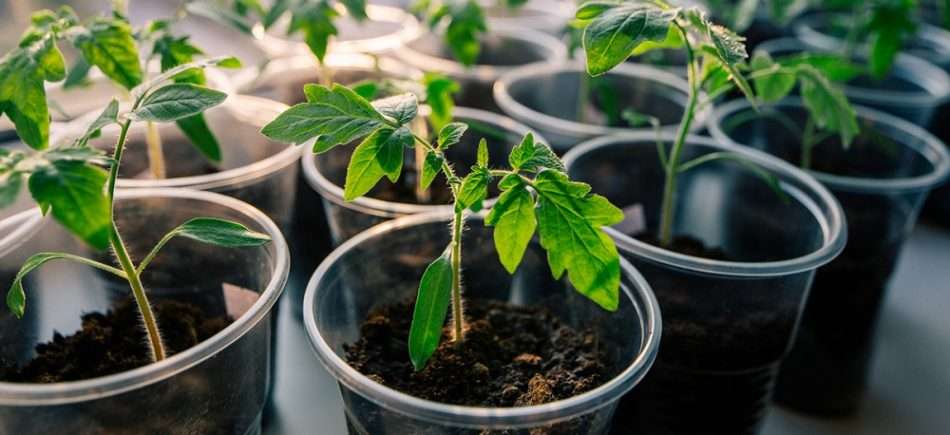
This variety is often grown by planting seedlings in the ground. The seeds are sown at least two months before planting in open areas or under plastic covers.
Seed preparation
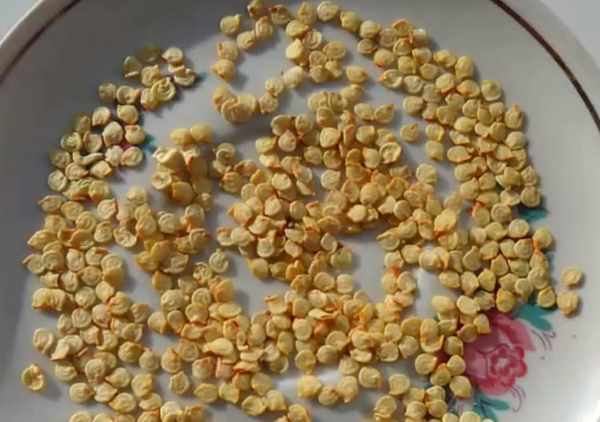
Experienced gardeners recommend treating tomato seeds. Soak the seeds in a 5% saline solution made from a quarter teaspoon of salt dissolved in 100 milliliters of water for about half an hour. The seeds unsuitable for planting float to the surface, while the viable material is collected, washed, and dried.
Next, the seeds are dipped in a solution of potassium permanganate for about 15 minutes, and then rinsed again under water.
Seeds disinfected in this way acquire some resistance to disease. Sprouted seeds with existing white roots are guaranteed to germinate.
Preparing soil and containers
About a week before planting the seedlings, prepare the soil. When preparing your own soil base, be sure to include the following components:
- turf;
- compost or humus;
- sand;
- wood ash.
Seedlings are grown both in wooden boxes and in plastic containers or tubs.
Take a look Also
Sowing seeds
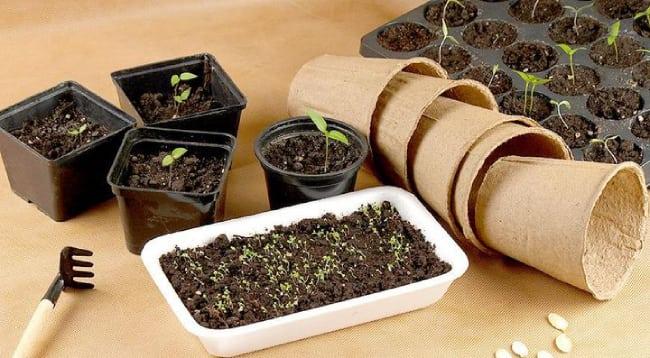
Before sowing the seeds, the soil must be moistened. Planting techniques should be performed with a spacing of approximately 2-3 centimeters between plants. Seeds should be planted no more than a centimeter deep. For better germination, cover the seedlings with plastic film over the container. After the tomato seedlings emerge, remove the covering material from the containers.
Features of seedling care
Until this tomato variety emerges, it's important to maintain a temperature of 15-16 degrees Celsius and provide adequate light. Watering should be done when the top layer of soil is visibly dry. When the third leaf emerges, the tomato plant should be pruned, which is done by pinching the central root of the plant to better stimulate its root system.
A week before planting, this varietal crop is hardened by briefly exposing the plant to air, with a gradual increase in the duration of the procedure.
Planting seedlings
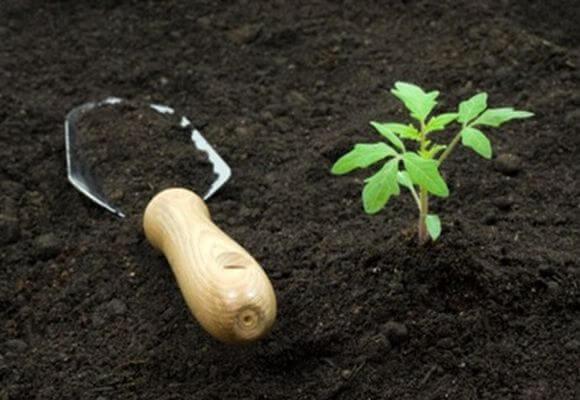
Planting begins after frost, in a greenhouse in the last ten days of May, and in a hotbed around mid-June. Seedlings are planted at a density of 7 per square meter.
Rules for caring for tomatoes
The Novichok variety, like any other tomato crop, requires specific care, including weeding and loosening the soil, timely watering, necessary fertilizing, and ensuring the protection of the bushes and harvest from all kinds of diseases and pest infestations.
Watering
Tomatoes don't like heavy watering, so this process should be tailored to the prevailing weather conditions. For example, during dry periods, watering can be increased, but it should be done exclusively in the evening and with warm water. The entire bed should be irrigated, while protecting the tomato leaves.

Top dressing
Even though tomatoes are planted in fertile soil, they still require a number of seasonal fertilizers. This should be done during the first month after planting, and then several times throughout the season.
At the beginning of the summer season, any fertilizers can be used, but in July, nitrogen components should be excluded and plants should be fed with superphosphates and wood ash.
Garter
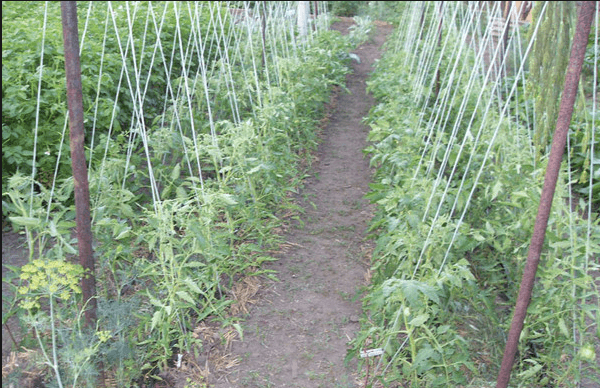
Staking should be done during the flowering period, shaping the plant into one or two stems. Any remaining weak shoots should be promptly removed, especially from the lower portions of the plant.During the fruiting period, some of the leaves should be removed from tomato bushes.
Diseases and pests
Due to Novichok's resistance to certain diseases and pests, this tomato variety is rarely treated. However, as a preventative measure against fungal infections, a spray solution made from 10 liters of water with 5-6 Trichopolum tablets dissolved in it and a small amount of milk is used.
If signs of late blight are visible, the crop is treated with a special product – Tattu.
And in case of pest infestation, use proven folk remedies without pesticides:
- Mole crickets are destroyed by sprinkling the soil with dried marigolds.
- When attacked by mites and aphids, use powdered tobacco, chamomile, and garlic.
- Cutworms and slugs are destroyed with capsicum and wild garlic.
- Colorado beetles are repelled by a row of parsley or dill planted nearby.
Features of planting and growing at home on the balcony
Novice is also suitable for planting on a glassed-in balcony, but temperatures should not exceed 30 degrees Celsius. Growing and caring for tomatoes is the same as in open ground. However, since insects rarely enter the balcony, the tomatoes will require artificial pollination using a product called Ovary.
Collection and storage
Harvesting of this variety is mechanized, and the easily detachable stalk simplifies the process. After harvesting, unripe tomatoes ripen further during storage.
Reviews from experienced gardeners who planted
Larisa, 40 years old
A productive variety with versatile, delicious fruit. Excellent seed germination. The tomatoes grow and ripen quickly. In the summer, I make vitamin-rich salads with them, and in the winter, I use them for canning.
Valentina, 45 years old
While visiting friends, a friend bragged about the abundance of tomatoes on her Novichok bushes. I took some home to sample them and squeezed the seeds out of each one. Now I'm delighted – the tomatoes have retained their properties and flavor. We now plant them regularly, and the whole family enjoys them.
Mila, 37 years old
Of course, I love the taste, aroma, and abundant fruiting of this tomato variety. But what struck me most was their resistance to late blight; my neighbors' bushes had all turned black, but mine were still standing as if nothing had happened.
Related posts:
 What is the best way to feed tomato seedlings to make them plump?
 The best eggplant varieties for growing in a polycarbonate greenhouse: planting and care
 What varieties of tomatoes are best to plant in a polycarbonate greenhouse?
 What fertilizers and when to use for feeding tomatoes in a greenhouse
 The best and most productive tomato varieties for greenhouse cultivation in the Urals, with descriptions
 Description of the best varieties of black tomatoes for open ground and greenhouses
 Description of the best tomato varieties for open ground and greenhouses in the Krasnodar region
 Description and characteristics of the best indeterminate tomato varieties for greenhouses