
The Dinar tomato variety, described below, is one that doesn't require pinching. It's an ultra-early variety: approximately 2.5-3 months pass from the first shoots to harvest.
Characteristics of the variety
Tomatoes are suitable for growing both in greenhouses and in open ground.
Besides its early maturity, gardeners love the Dinar tomato for its very low-growing habit. The bushes generally grow no taller than 50 cm, with an average height of about 40 cm.
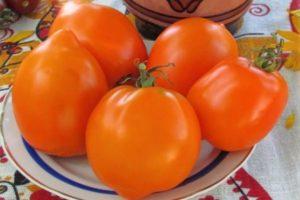
Despite the early maturity and low growth of the Dinar variety, the plants are completely covered with red, slightly elongated tomatoes, each weighing about 40-60 g. The fruits are tasty, quite sweet and juicy.
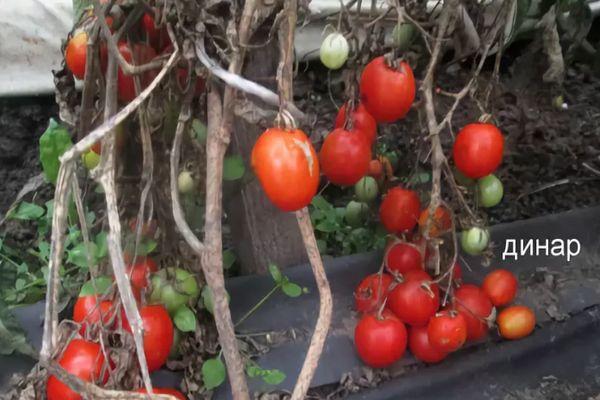
Dinar tomatoes are versatile. Their small size makes them ideal for pickling and salting. They are also suitable for eating fresh and as a salad ingredient. However, they should not be used for making juices or sauces, as larger varieties with juicier flesh are available for these purposes.
The main advantages of Dinar tomatoes:
- early maturity;
- short stature;
- high yield;
- versatility for preparing preserves;
- no need to remove side shoots.
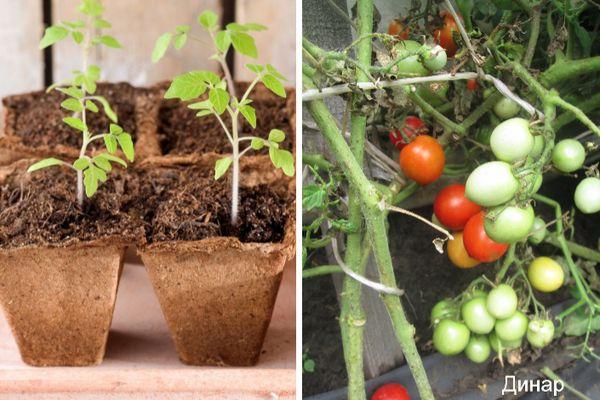
According to reviews from some gardeners who have grown this variety in their gardens, all the information on the seed packet is accurate, and the resulting harvest will be bountiful despite the low plant height. Gardeners are very pleased that these tomatoes don't require the hassle of pinching out the side shoots. A packet of Dinara seeds costs around 40-50 rubles.
How to grow tomatoes?
It's important to know how to plant and grow the Dinar tomato variety. This variety is ultra-early, so in 2025, sowing should be done on March 19-24, March 27-28, or April 5-9. These are the optimal planting dates according to the Lunar Gardener's Calendar. Some gardeners don't follow this calendar's recommendations, and many printed publications vary slightly in their dates. Therefore, you can sow seeds on other days, but try to avoid dates with a new moon (March 17 and April 16), as well as a full moon (March 31 and April 30).
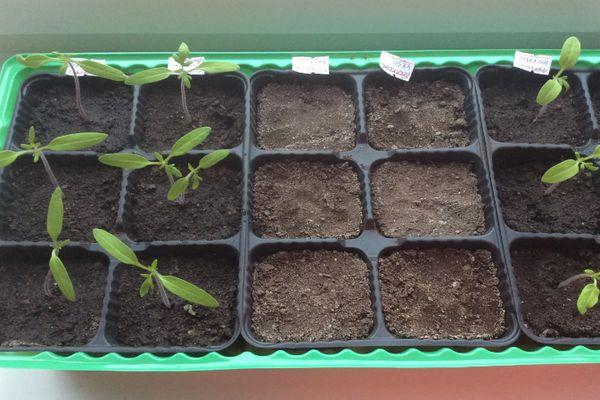
Before sowing, soak the seeds for half an hour in a weak solution of potassium permanganate or hydrogen peroxide diluted in room-temperature water. Add 30 drops of a 3% hydrogen peroxide solution to 1 cup of water. Use a commercial potting mix, adding a little sand and soil from your garden.
The first shoots should appear about a week after planting the seeds.
After the third leaf appears on the seedlings, it is necessary to pick the plants and transplant them into more open growing conditions.
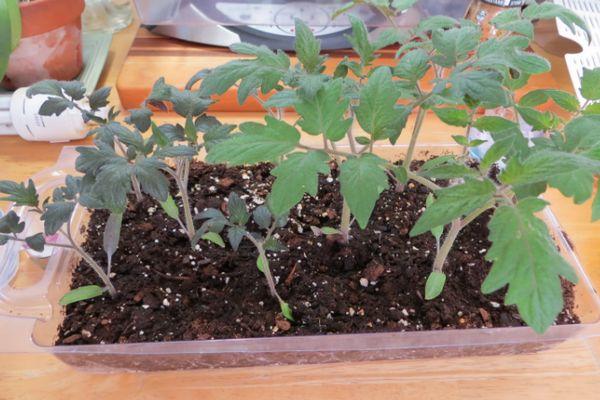
Seedlings should be planted in the garden only after the threat of nighttime temperatures dropping to 0°C or below has passed. In addition to optimal temperature conditions, seedlings require a site that meets the following requirements: loose, light, fertile soil that receives sunlight for most of the daylight hours in clear to moderately clear weather. Avoid planting seedlings in shaded areas.
It's important to properly organize crop rotation in your garden, according to which tomatoes should be planted after carrots, beets, cabbage, cucumbers, squash, zucchini, and pumpkin. Organic fertilizer should be added to the soil every 2-3 weeks.
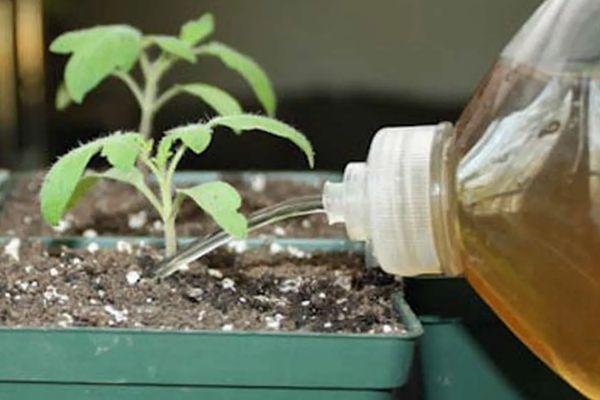 Avoid over-watering the soil. Tomatoes also don't like severe drought.
Growing the Dinar variety is not difficult and is no different from the cultivation techniques for other tomato varieties.
Related posts:
 The best grape varieties for growing in the Urals, planting and care rules in summer
 Methods for planting and propagating cherries at home
 The best methods for growing grapes from seeds at home
 Description and characteristics of the best seeds of pea varieties and types
 Descriptions of the 20 best cherry varieties for the Moscow region, their planting and care
 Description and cultivation of the 15 best cherry plum varieties for the Moscow region, planting and care rules
 Conditions for growing mandarin at home and rules for caring for the tree
 Rules for planting and caring for pears in open ground, how to grow them correctly
To get a better harvest of these tomatoes, and the harvest in general, I would recommend BioGrow, an excellent bioactivator for plant growth, an extremely excellent product, I like it.