
The Snegopad f1 tomato, whose description indicates it can be grown outdoors, is characterized by high yields and excellent flavor. Its versatile, rich-flavored fruits have a long shelf life and withstand long-distance transportation well.
Advantages of a hybrid
Among the hybrids and new varieties developed by agrobiologists, there are tomato varieties that are resistant to low temperatures. These include the Snegopad tomato variety.
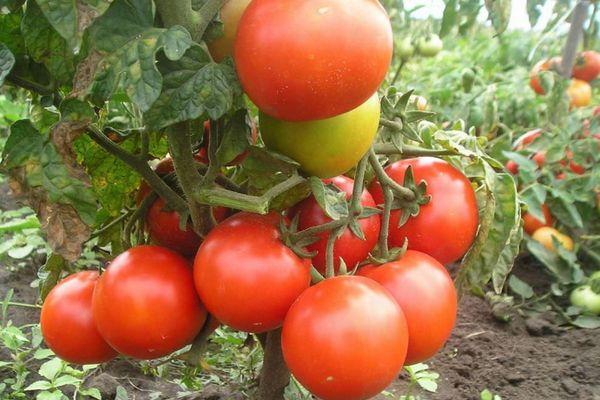
This tomato is suitable for growing in open ground. In polycarbonate greenhouses equipped with heating, irrigation, and lighting, tomatoes can be grown year-round.
These mid-early tomatoes begin to bear fruit 110-115 days after germination. The variety description indicates the plant's resistance to spring temperature fluctuations.
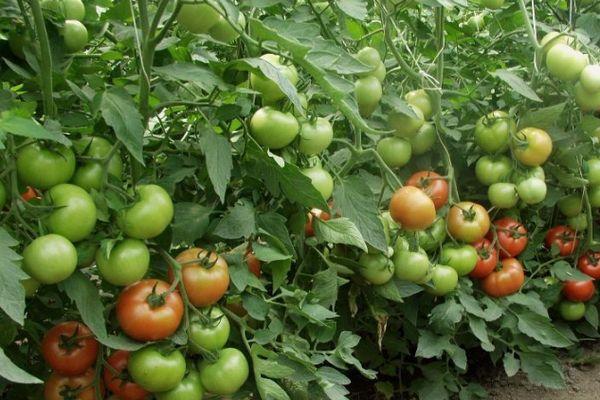
An indeterminate plant. During the growing season, a bush grows up to 200 cm tall with an average number of medium-sized leaves. Six to eight clusters produce six to eight fruits each. Each tomato weighs 80-120 g.
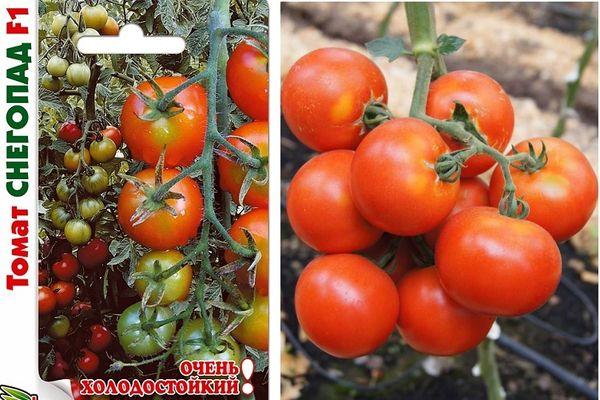
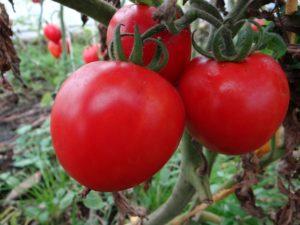
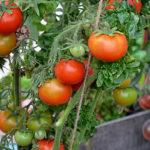
Snegopad f1 tomatoes have a flat, round shape, a smooth, glossy surface, and subtle ribbing near the stem. They have firm flesh, are aromatic, and offer excellent flavor. When cut, the tomatoes have 2-3 chambers containing a small number of seeds.
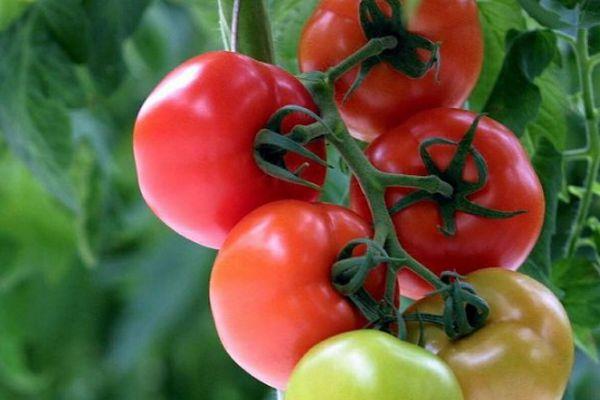
Fruits harvested at the biological ripeness stage ripen perfectly in a warm environment. As they ripen, they develop a deep red color. The firm yet thin skin prevents the tomatoes from cracking.
The Snegopad f1 tomato variety is a first-generation hybrid characterized by a long fruiting period. With proper cultivation practices, a single plant can yield up to 5 kg.
In cooking, tomatoes are used for fresh consumption, canning, pickling, and as ingredients in various dishes. They can also be dried using a special method with the addition of spices. Their balanced sugar content makes them suitable for inclusion in baby food.

The characteristics and description of the Snegopad variety indicate its suitability for commercial cultivation. The plant is resistant to various viral and fungal diseases.
To increase yield, the plant is trained to a single stem, with excess shoots periodically removed. If excess shoots appear, the plant expends nutrients on their formation. This results in smaller ripening fruits.
The crop is sensitive to low temperatures and does not tolerate frost.
A hybrid variety doesn't allow you to harvest seeds for planting next season. This is typical of hybrids; even ripe tomatoes lack the benefits of the mother plant.
Reviews from vegetable growers indicate the hybrid's undemanding nature regarding growing conditions and the spectacular appearance of its ripe fruits.
Agricultural technology for tomato cultivation
Snegopad tomatoes are grown from seedlings. The optimal planting time should be chosen depending on the growing region. Before planting, the seeds are soaked in a solution of hydrogen peroxide or potassium permanganate.
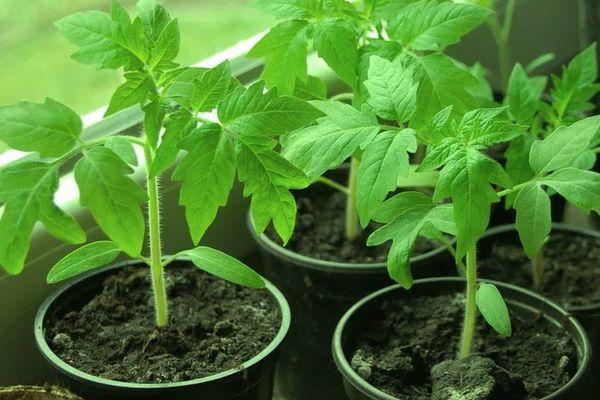
To ensure normal seedling development, the seeds are treated with a growth stimulant. Containers or seedling trays are filled with prepared soil, which should be light in texture and rich in nutrients. It contains:
- turf soil - 2 parts;
- humus - 2 parts;
- washed river sand - 1 part.
Wood ash and mineral fertilizers are also added to the mixture. The prepared seeds are spread on the soil surface and covered with a 1 cm layer of peat. A sieve can be used to distribute the peat evenly over the surface.
After generously watering with warm water using a spray bottle, cover the container with film or glass until sprouts appear; keep at a temperature of at least +16°C.
When two true leaves have formed, transplanting is done. Peat pots with a diameter of 10 cm are used for this purpose. These containers are convenient for transplanting plants to their permanent location and help prevent damage to the root system.
During the process of growing seedlings, 1 week before planting in the soil, a mixture of complex fertilizers with a predominance of phosphorus and potassium is added.
The description of the growing process is related to the system of agricultural measures.
The plant requires regular, moderate watering for proper development due to its susceptibility to drought and scorching heat. Drip irrigation and the prevention of the surface soil drying out can be achieved by mulching with black fiber.
Using organic materials (straw, hay, sawdust) as mulch serves as a source of additional nutrition for plants.
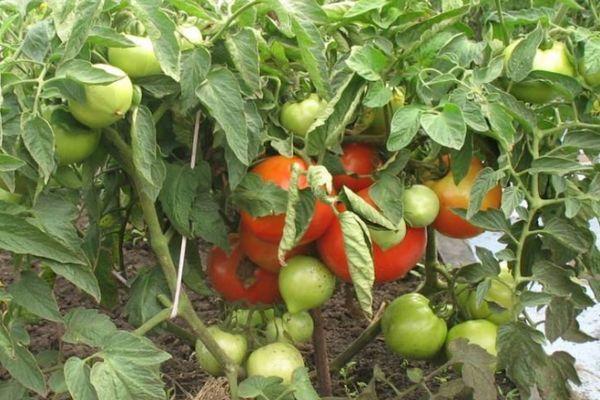
A tall bush requires shaping and tying to a support, periodic soil loosening, and hilling. To ensure the plant's development and increase yield, mineral and organic fertilizers are applied at different stages of development.
Although resistant to the main diseases, this hybrid can be susceptible to late blight. Preventative treatments with copper-based preparations can protect the plant. Insecticides and folk remedies (such as soap solution, celandine infusion, and onion peel decoction) can be used to combat biological pests.
Related posts:
 What varieties of tomatoes are best to plant in a polycarbonate greenhouse?
 The best tomato varieties for growing in the Leningrad region for greenhouses and open ground
 Description of the best varieties of black tomatoes for open ground and greenhouses
 Description of the best tomato varieties for open ground in the central zone
 Description of the best varieties of Lyubov Myazina's original tomatoes, cultivation
 Description and characteristics of the sweetest tomato varieties for greenhouses and open ground
 The best and most productive tomato varieties for greenhouse cultivation in the Urals, with descriptions
 Description of the best tomato varieties and ratings for greenhouses in 2025