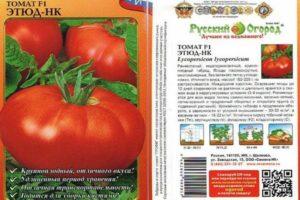
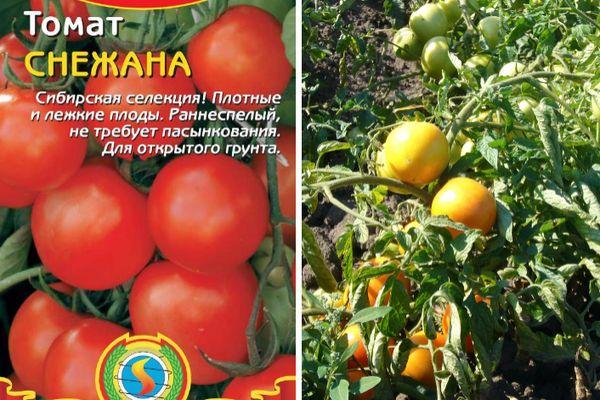
The Snezhana tomato is an excellent variety for planting in open ground and unheated greenhouses. Its main distinguishing feature is its low maintenance requirements. This low-growing variety was developed by Siberian breeders, making it ideal for growing in less favorable conditions. These characteristics indicate that these tomatoes will thrive in greenhouses or open ground and produce a bountiful harvest.
Growing the Snezhana tomato
Description of the variety:
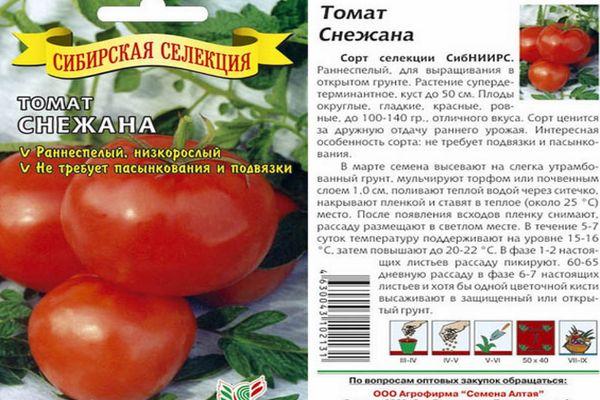
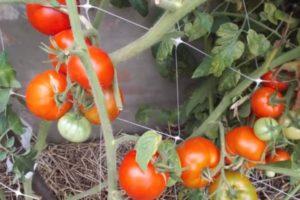
- The bushes are medium-branched and don't exceed 50-60 cm in height, eliminating the need for staking or pinching. This significantly reduces the effort of the vegetable grower and reduces planting and maintenance costs.
- A mid-early variety, it produces its first harvest 100 days after planting the seeds in the soil, which ripens almost simultaneously.
- The yield of the Snezhana tomato is high and is not inferior to other low-growing varieties of Siberian breeders.
- The first inflorescence appears above the 7th leaf, all subsequent ones - every 2 leaves.
Characteristics of fruits
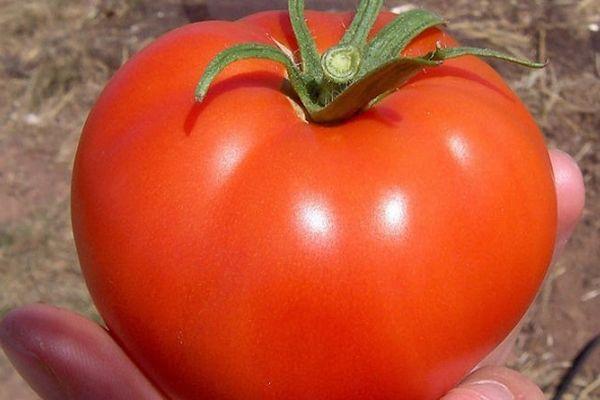
Snezhana tomato fruits are round, slightly flattened, with a glossy surface and firm to the touch. Fully ripened tomatoes are red and weigh 90-100 g.
The fruits of this variety have a sweet, tart flavor, making them excellent for fresh eating or for winter preservation. The variety's main advantages include its good fruit set, even in adverse weather conditions, and its resilience to long-distance transportation.
Growing and care
Sow seeds for seedlings approximately two months before planting outdoors or in a greenhouse. 55-60 days is sufficient to produce strong seedlings that are resistant to transplanting and disease.
Before planting, seeds should be treated with a weak solution of potassium permanganate and then rinsed in warm water. This will protect the seedlings from diseases that nightshades are prone to.
For good germination of seedlings, the room temperature should be at least +22…+25 °C. The seeds should be planted at a depth of 1-2 cm in soil, or in a prepared substrate, which can be purchased at the store.
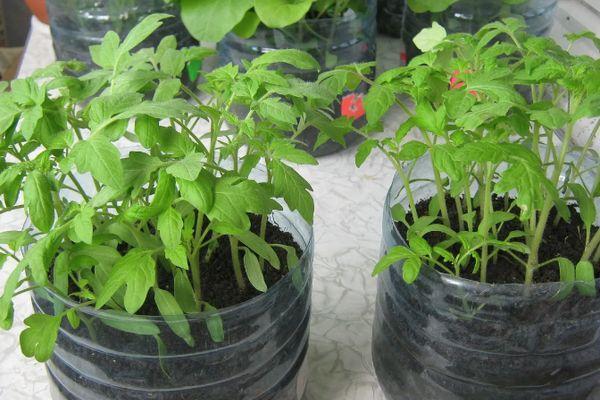
After a few leaves appear, the seedlings need to be pricked out. Repotting the plant into a larger container helps strengthen the root system and create a denser stem. After pricking out, water the seedlings with water and add fertilizer.
The best time to transplant seedlings into the soil is late May or early June. Those who have planted seedlings in open ground before know that fertilizer is essential for good plant survival.
To do this, in spring, treat the soil with complex fertilizers (superphosphate, ammonium sulfate, or ammonium nitrate can also be used), and during planting, add 1.5 tablespoons of ash to each hole. There should be no more than 4 holes per 1 m².
To increase yield, you can feed the plants with mineral fertilizers. Tomatoes thrive in warmth, so they should be planted in a sunny area protected from the wind. To maintain a healthy yield, rotate the tomato plants each year.
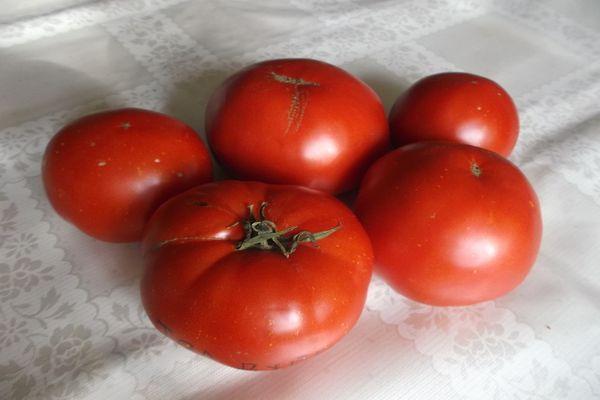
Gardeners' reviews of the Snezhana variety are positive, as growing and caring for the plant is effortless. Ripe fruits store well for a long time and are undamaged during transportation.
Related posts:
 When and how to properly transplant tomato seedlings, the best days in 2025
 The best eggplant varieties for growing in a polycarbonate greenhouse: planting and care
 Favorable planting days for tomatoes in March 2025, when is the best time to sow
 Description of the best varieties of black tomatoes for open ground and greenhouses
 Characteristics and description of the Bull's Heart tomato variety, yield and cultivation
 Causes and treatment of eggplant pests and diseases, how to combat them at home
 Characteristics and description of the Sprut tomato variety, yield and cultivation
 Growing and caring for broccoli in open ground and greenhouses
Take a look Also