The Diabolik f1 tomato variety was recognized in 2016. It was recognized as one of the best tomato varieties. Suitable for both open-air and indoor cultivation, Diabolik is the result of selection by Japanese agronomists working for the Sakata company.
Description of the variety
A hybrid plant is considered determinate, meaning it has limited growth. At a certain point, the plant's growth stops, and a flower cluster forms at the top. As the description suggests, tomato plants of this type don't produce many side shoots, including Diabolik.
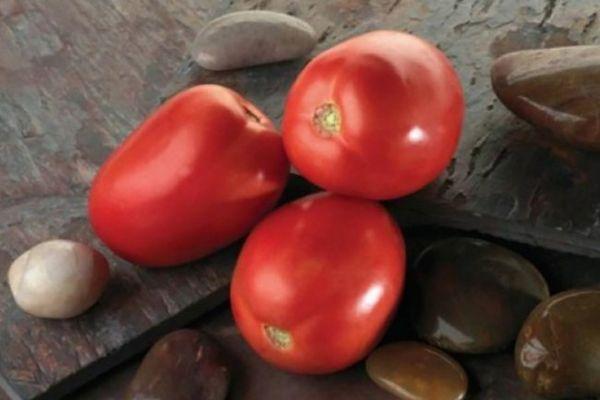
It's not necessary to remove side shoots, but you will need to use a staking trellis. The tomato bush reaches a height of 130 to 160 cm. The plant has a well-developed, strong root system and a stem that is just as strong. The foliage is slightly above average.
This tomato variety has a complex inflorescence, gathered into a cluster. This cluster produces 10 to 15 tomatoes. The stems and leaves are medium-sized. The peduncle is articulated.
Ripening time and yield
Based on its ripening time, Diabolik is considered a mid-early to mid-season tomato variety. From the time the first shoots emerge, the tomatoes reach full maturity within 100–105 days. Fruiting then extends over 1–1.5 months. This is convenient, as it allows for gradual harvesting.
The hybrid's distinctive feature is its yield, which is significantly higher than that of other varieties. This applies to tomatoes, which also have a higher yield. This is due to the many nuances that accompany gardening. One square meter of plot yields 15–20 kg of ripe tomatoes per season.


Growing
Diabolik tomatoes were originally best suited for open-ground cultivation in the North Caucasus region. However, they can also be planted in other southern locations. If grown in northern latitudes, the plant will require shelter. Diabolik requires good sunlight. If this is not adequate, the plant will not produce a good yield.
Growing the crop begins with sowing the seeds in the soil. The best time to do so is the last week of March. Place the seeds in a cheesecloth bag and soak them in a potassium permanganate solution. This will help disinfect the future seedlings. If desired, the seeds can be soaked in solutions that stimulate tomato growth.

It is recommended to plant seedlings in open ground in the last weeks of May, after the threat of frost has passed. The hole diameter should be 12 to 15 cm, and the depth should be no more than 20 cm. Leave a 40 cm gap between the holes. The row spacing should be 50–55 cm.
Before planting the seedlings, water the soil generously. Remove the seedlings from the cups with the soil still in them. Place the sprouts in the holes and cover them with soil, watering the soil again.
Care Features
Watering is an essential aspect of plant care. Tomatoes don't tolerate dry weather, but they also don't like stagnant water. Water tomatoes in the morning. Apply water at the roots, avoiding the stems and leaves. Otherwise, late blight may develop.
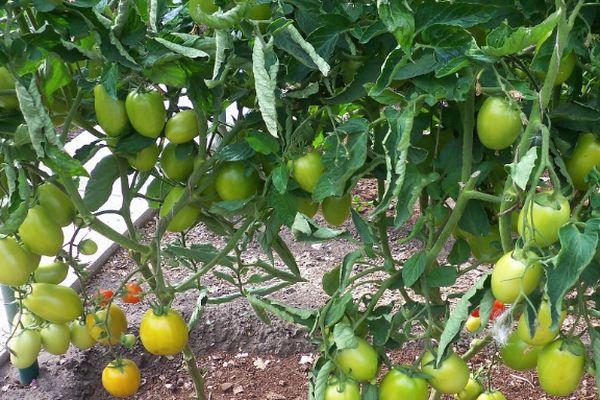
For irrigation, use warm water that has been left to stand for 24 hours. Initially, water moderately, then increase the amount. Avoid stagnation. In the following days, loosen the soil and weed between the rows. Remove all weeds to prevent them from interfering with the plant's growth and development.
If a small bush has formed and has managed to grow stronger, watering is carried out as the soil dries out.
Advantages and disadvantages
Tomato variety characteristics also contain information about the crop's advantages and disadvantages. Among the advantages are:
- Resistance of the immune system to diseases.
- Diabolik never suffers from root nematode.
- High level of productivity.
- The fruits do not crack after picking.


Gardeners cite only one drawback: the need for direct sunlight. Growing the plant in the shade will impact its yield. Even if the shade is small, the tomato yield will be reduced by half or more. Therefore, before starting to grow, it's essential to create all the right conditions.
Pests and diseases
The growing popularity of this tomato is due to its good resistance to a range of viral diseases. Its immune system protects against bacterial spot, Phomopsis, and Verticillium wilt. Despite this, Diabolik is often susceptible to blossom-end rot. To avoid the development of the disease, it is necessary to follow the rules of care - monitor watering.
Harvesting and storage
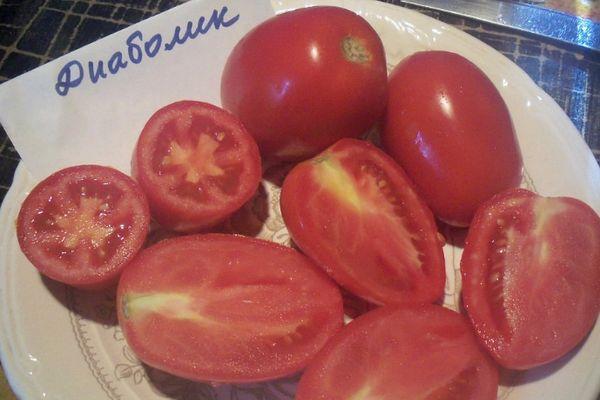
Thanks to their very dense skin, Diabolik tomatoes don't crack. This is due to the fruit's long-term storage. Long-distance transportation doesn't affect their appearance. They keep well, so they can remain fresh until late fall. Not every variety has this characteristic.
Gardeners' reviews
Tomatoes are popular among gardeners due to their flavor. Their tasty, juicy, and firm fruits are suitable for a variety of dishes. They are also suitable for pickling and marinating, and make an excellent ingredient for a fresh salad.
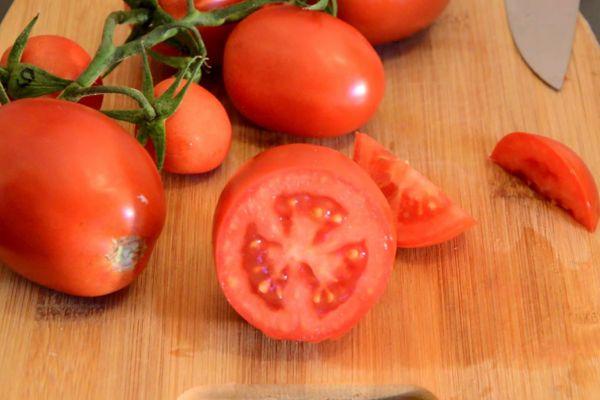
Those who have planted Diabolik in their gardens note its resistance to pests and various diseases. This reduces the need for chemical pest control. Equally important is its ease of cultivation and high yield. Both positive and negative reviews of this tomato variety can be found online. Some dislike the taste or shape, but this is purely a matter of personal preference.
Don't dismiss this variety without trying it. Every gardener should plant it on their plot and reap the rewards. It's sure to impress.
Related posts:
 What is the best way to feed tomato seedlings to make them plump?
 Description of the best tomato varieties for Udmurtia for open ground and greenhouses
 What fertilizers and when to use for feeding tomatoes in a greenhouse
 What varieties of tomatoes are best to plant in a polycarbonate greenhouse?
 The best grape varieties for growing in the Urals, planting and care rules in summer
 What is the best way to mulch tomatoes in open ground and greenhouses?
 The best and most productive tomato varieties for greenhouse cultivation in the Urals, with descriptions
 Description of the best ultra-early tomato varieties for open ground and greenhouses