
The Pride of Siberia tomato, whose characteristics and description indicate its suitability for cultivation in harsh climates, is distinguished by its early ripening period. Vegetable growers' reviews highlight the variety's advantages, including high yield, excellent taste, and resistance to external factors.
Advantages of the variety
Tomatoes are heat-loving plants, so they're not suited to the harsh Siberian conditions. Russian agrobiologists have risen to the challenge and developed varieties that are worthy of cultivation in a climate zone with limited daylight hours and short summers.
The Pride of Siberia tomato variety rightfully holds a leading position among hardy varieties. This large-fruited tomato is designed for cultivation in protected ground conditions. In harsh climates, it is grown in greenhouses and under plastic covers. In milder conditions, the variety is cultivated outdoors.
The Pride of Siberia tomato is resistant to temperature fluctuations and low light conditions. It is also immune to viral and fungal diseases of nightshade crops.
This early-ripening variety begins bearing fruit 85-90 days after germination. This tall plant reaches a height of 120-150 cm during the growing season. The bushes are determinate, standard, and have a moderate amount of foliage.
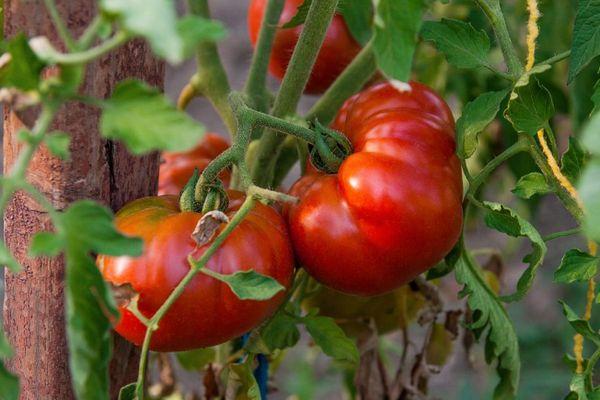
Plants require staking. As they ripen, additional support is needed to secure the fruit clusters, as their weight can cause deformation or damage to the stems.
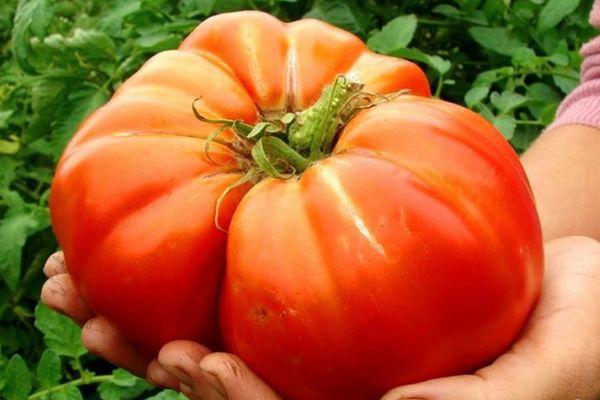
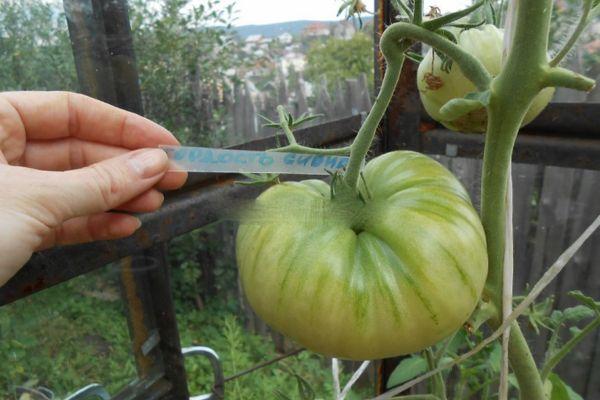
Pride of Siberia tomatoes are the largest-fruited of all varieties. Their average weight is 500-600 g, with individual tomatoes reaching 900 g. This is a record for Siberian tomatoes. The yield of a large-fruited tomato is 20 kg per square meter.
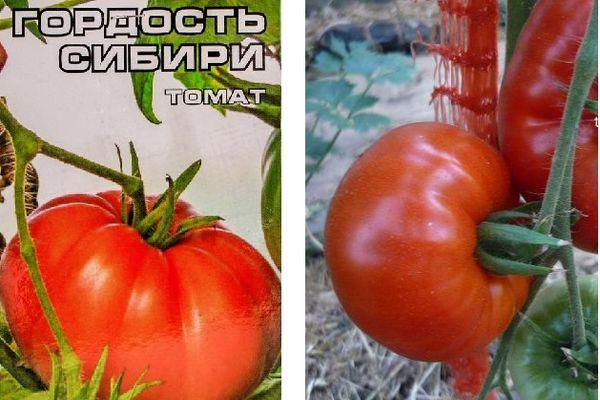
The fruits are slightly flattened and round, reminiscent of a pumpkin. At maturity, they acquire a red color with a raspberry tint. These tomatoes have excellent flavor and a pleasant aroma. The fruit has juicy red flesh.

Tomatoes are excellent for long-distance transportation and long-term storage. These fruits are difficult to pickle or marinate, so they are used in cooking as an ingredient in various dishes and eaten fresh. They are also suitable for processing into sauces and juices.
Agricultural technology for tomato cultivation
The Pride of Siberia variety is grown from seedlings. Before planting, the seeds are disinfected with a potassium permanganate solution. Afterwards, they can be germinated under a damp cloth in a warm place.
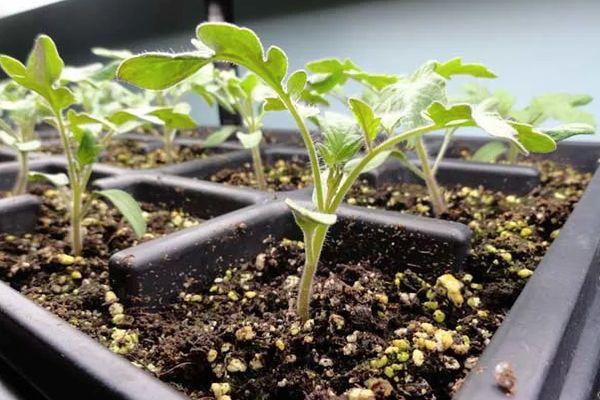
Seedlings begin growing in late March. Before planting, the soil must be carefully prepared and disinfected with a copper sulfate solution. The soil must be well-fertilized with mineral and organic fertilizers and have a loose structure.
The soil is poured into the containers, lightly compacted, and furrows are made 1 cm deep. The seeds are planted 2-3 cm apart, and covered with a layer of peat. A sieve is used to ensure even distribution.
After watering with warm water using a sprinkler, cover the container with glass or film to create a greenhouse effect. This ensures uniform germination of the seeds.
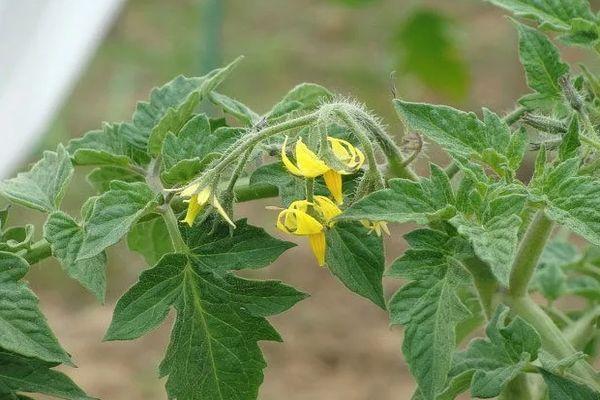
Once sprouts emerge, the seedlings are moved to a well-lit location. Growing seedlings requires maintaining a temperature of 22 to 26°C. When two true leaves have formed, transplant them into individual pots.
This procedure allows us to weed out weak plants and stimulate root development. The seedling formation process requires regular watering as the surface soil dries. To ensure normal plant development, periodic fertilization with complex fertilizers is necessary.
At 40-45 days of age, seedlings begin hardening off by placing the containers on the balcony or outside. Hardening time is gradually increased from 30 minutes to several hours. This process allows the plants to more easily adapt to the new conditions.
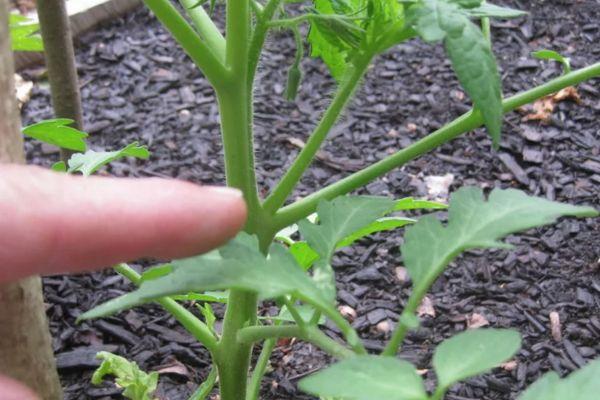
The seedlings are transplanted to their permanent location once they have formed 6-7 true leaves. The greenhouse is prepared in advance, the top layer of soil is replaced, the room is ventilated, and disinfected.

It is recommended to place 4-5 bushes per 1 m². With this optimal planting scheme, each plant receives adequate light and nutrients. After planting, each plant is supported or tied to a trellis.
After planting, do not water the bushes for the first few days, as the roots are unable to absorb moisture during the adaptation period. Caring for the crop involves a number of agricultural practices.
The determinate bush requires shaping and removal of excess shoots. The plant is trained with 1-2 stems, which allows for the production of large fruits. This variety requires frequent and generous watering with warm water at the roots.
Drip irrigation and even moisture distribution can be ensured by mulching the soil with black fiber or organic materials (leaves, straw). Throughout the growing season, the crop requires supplementary feeding with organic and mineral fertilizers.
During the fruit formation stage, it is recommended to apply complex fertilizers containing potassium and phosphorus. To prevent late blight and rot, regularly ventilate the greenhouse and monitor humidity levels.
Related posts:
 How to propagate and grow peas, cultivation technology, and care in open ground
 Description of the Babushkina Pride f1 tomato and gardener reviews
 80 Best Eggplant Varieties for Different Regions with Descriptions and Characteristics
 The best grape varieties for growing in the Urals, planting and care rules in summer
 Description of varieties of sowing peas and cultivation, to which family they belong
 What varieties of tomatoes are best to plant in a polycarbonate greenhouse?
 Description and characteristics of the sweetest tomato varieties for greenhouses and open ground
 The best eggplant varieties for growing in a polycarbonate greenhouse: planting and care