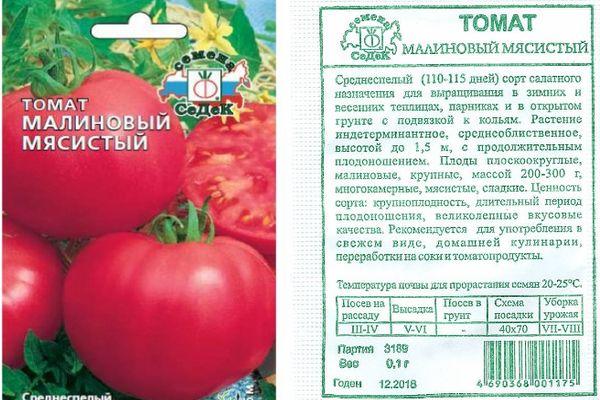
The Raspberry Fleshy tomato is characterized by high yields and excellent flavor. This early-ripening variety produces fruit 2.5 months after planting. This characteristic of the Raspberry Fleshy tomato attracts many gardeners.
What is the Raspberry Fleshy tomato?
Characteristics and description of the variety:
- The plant is low-growing.
- The bushes grow only up to 40-50 cm, so they do not need to be tied up.
- Tomatoes do not need to be shaped because side shoots form late and in small quantities.
- If you follow the rules for growing these tomatoes, the yield will be high.
- Sometimes the yield from one plant bush reaches 6 kg.
- The fruits are round, slightly flattened.
- The tomatoes are large, the weight of one fruit is 350-400 g.
- The fruits contain a lot of carotene, sugar and other substances, so they are juicy and fleshy, which is what determined the name of the Raspberry Fleshy tomato.
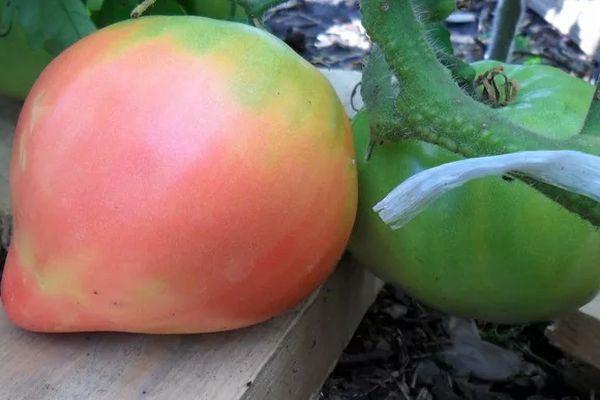
According to reviews, these tomatoes can be used fresh, in salads, purees, pastes, gravies, sauces, and hot dishes. The juicy flesh allows for a generous yield of tomato juice. Many home cooks bake these tomatoes, which are very tasty. Canning is not common due to their large size. Juices, tomato pastes, and vegetable caviar containing these tomatoes can be made into preserves.
Growing tomatoes
Let's look at how to grow the Raspberry Meaty tomato variety. Tomatoes are grown using seedlings. Before sowing the seeds in individual containers, they need to be prepared. The seeds should be treated with a solution made from hydrogen peroxide. This will prevent the development of diseases in this plant. To prepare the solution, take 3 ml of hydrogen peroxide and mix it with 100 ml of water. Then heat the solution in a water bath to 30–40 ºC. Soak the seeds in this solution for about 20 minutes.
After this, the seeds need to be soaked in water to swell slightly. To do this, wet a piece of gauze with water, place the seeds on it, and cover with another wet piece of gauze. The seed soaking process takes place in a container covered with plastic wrap. Continue soaking for 3-4 days. After this, they are sown in soil.
Peat or plastic pots are best for growing seedlings. Cups with removable bottoms can also be used for growing seedlings. This makes planting the seedlings in the soil easier—the bottom of the cup is removed, and the seedling, along with the soil, is transplanted into a pre-dug hole in the soil.
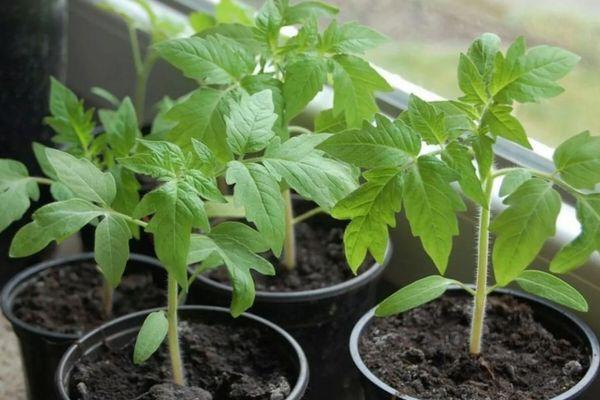
Before sowing, the soil should be prepared. To do this, add potting soil and a layer of shells. Then, add water and let sit for 5 hours. This will ensure the soil is well moistened. Next, use a toothpick to make holes in the soil and place the seeds in them. The holes should be 1-2 cm deep. After planting, water the soil and cover the pots with plastic wrap. The seedlings need to be watered regularly.
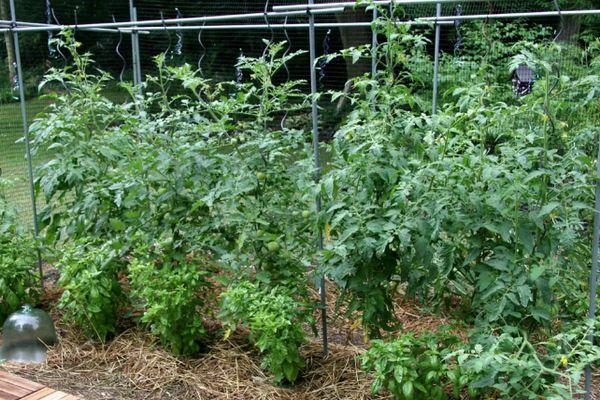
Watering shouldn't be excessive. Use rainwater or purified tap water. Allow it to settle for 24 hours. While the sprouts are developing, gradually lower the room temperature. This will harden them off and acclimate them to the cold outside. The seedlings are planted outdoors at the end of May, when the soil in the bed has warmed up and is suitable for growing tomatoes. The soil in the bed should be loose; it should be prepared in the fall.
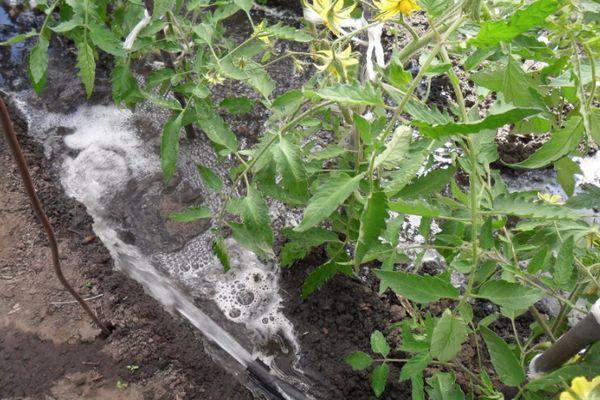
There's no need to break up clods of soil, as they will allow the soil to freeze better during the winter. This will also kill any pathogens in the soil. In the spring, the soil should be disinfected. To do this, heat copper sulfate to 80ºC, and pour 2 liters of it per 1 m². Then apply organic fertilizer. Spread 3 kg of peat, humus, or manure on the soil. Wood ash can be added. Then plow and level the soil with a rake.
When the seedlings reach a height of 20-30 cm, they are planted in a garden bed. Holes are made in the soil. The seedling is placed vertically in the hole, covered with compost, and covered with soil. After this, the plants should be regularly watered, fertilized, and weeded.
Related posts:
 Rules for growing tomatoes in open ground, choosing a variety, planting and care
 The best grape varieties for growing in the Urals, planting and care rules in summer
 How to prepare tomato seeds for planting seedlings
 The benefits and contraindications of lentils for the human body
 What is the best way to feed tomato seedlings to make them plump?
 What fertilizers and when to use for feeding tomatoes in a greenhouse
 The benefits and harms of ginger for the female body, medicinal properties and contraindications
 Description and characteristics of the best seeds of pea varieties and types