
The Marfa f1 tomato produces yields in adverse weather conditions. This is a first-generation hybrid intended for open-air cultivation. The Marfa f1 tomato is listed in the State Register for the central regions of Russia, as well as the Urals and Siberia. It can be grown in any open soil, in greenhouses and hotbeds. The plant tolerates sudden drops in temperature. Tomatoes are eaten fresh. They are used to make sauces, ketchups, and juices. Small fruits can be preserved whole. Not a single tomato cracks when pickled.
Some information about the plant
The characteristics and description of the variety are as follows:
- Marfa tomatoes produce a harvest 130-135 days after emergence.
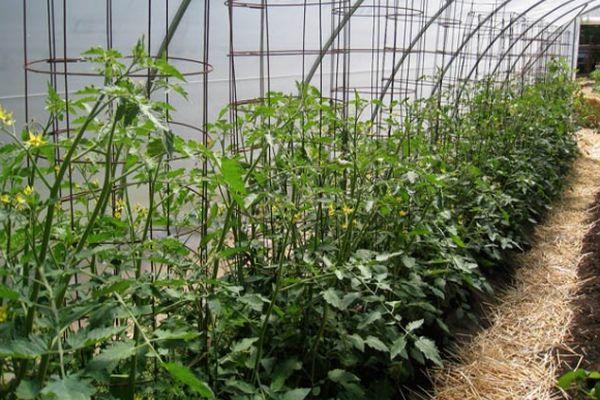
- The hybrid grows to a height of 160-170 cm. The bushes, with their robust root system, produce a medium number of leaves, all of which are light shades of green. The plant's leaves are standard in shape.
- Marfa f1 is a tomato with simple inflorescences. The first such formation appears above the 7th or 8th leaf, and all subsequent similar ones develop every 3 leaves.
- The variety is highly resistant to diseases such as tobacco mosaic virus, fusarium, cladosporiosis and verticillium wilt.
- Up to 7-8 berries develop on 1 brush.
- Ripe fruits weigh between 130 and 150 grams. The tomato is spherical in shape. The skin is smooth and firm, and the flesh is juicy.
- Near the stalk there are depressions and spots of yellow-red shades.
- Ripe berries are colored red.
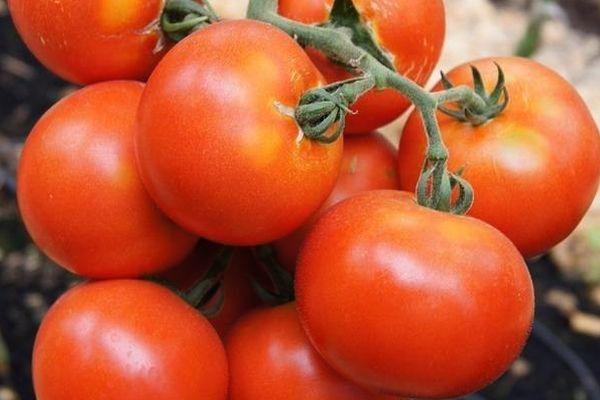
Reviews from farmers cultivating this variety indicate that tomato yields reach 6-7 kg per bush. After harvesting, the berries can be stored in a cool place for 30-35 days.
Gardeners report that this variety's seeds have a good germination rate. The plants produce a stable harvest over a long fruiting period. Farmers consider the need to tie the bushes to sturdy stakes or trellises a drawback. If you skip this operation, the branches of the bushes will break under the weight of the berries that appear on them.


Although tomatoes are resistant to various diseases, gardeners must spray seedlings and bushes with various medicinal products prophylactically. This helps prevent the development of symptoms of fungal and bacterial infections.
The plant tolerates sudden temperature fluctuations, but breeders advise planting it in greenhouses in Siberia and the Far North, as short, cold summers can cause a 30% yield loss when planting bushes outdoors.
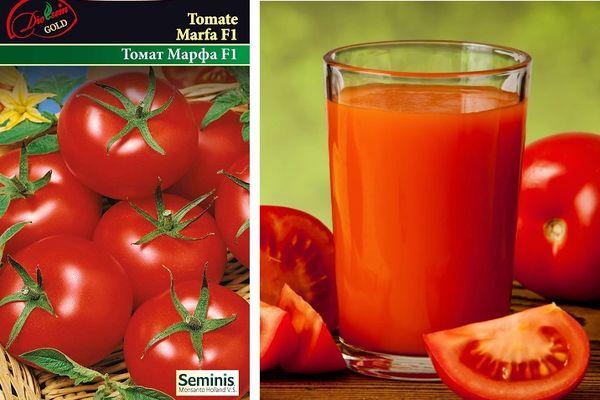
Planting and caring for tomatoes
After purchasing seeds, they need to be warmed up before planting. To do this, place the entire seed stock in a small bag and then place it on a radiator for 3-4 days. If necessary, disinfect the seeds with a weak solution of potassium permanganate. Then, treat the seeds with special preparations for better germination. Epin is most often used.

Sow the seeds in special tomato soil to a depth of 20 mm. Once sprouts emerge, move them to a sunny location. Prick out the seedlings when they develop one or two leaves.
The soil in the beds is prepared in the fall. It is dug over and then watered with copper sulfate (at a ratio of 1 tablespoon per 10 liters of water). Before planting the seedlings, the soil is fertilized. To do this, mix equal parts of peat, sawdust, and humus. Add 0.5 kg of ash and 3 tablespoons of superphosphate to the mixture. After this, the beds are dug over and watered with a lime solution. All of these steps are performed 10-12 days before transplanting the seedlings to their permanent soil.
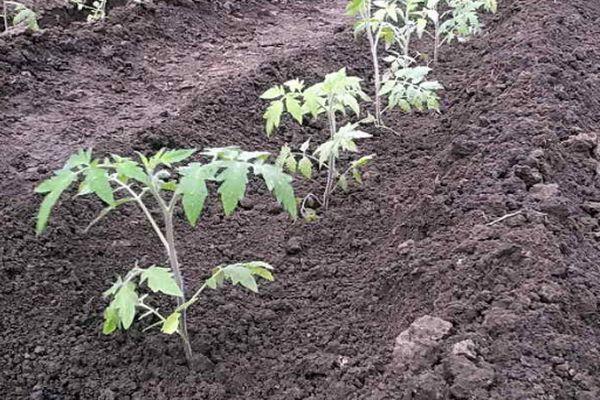
Before planting young seedlings, add nitrogen fertilizer to the holes. Regularly add a mixture containing magnesium sulfate to the soil. After fruit sets, feed the bushes with potassium and phosphorus fertilizers. Once fruit appears, it is recommended to fertilize the beds with complex fertilizer mixtures.
Tomatoes should be watered twice a week with warm water. This should be done late in the evening, after the sun has set. The soil shouldn't be too wet, otherwise the plants will drop their buds.
When growing tomatoes in a greenhouse, it's important to ventilate the room regularly. Weeding the beds once a week is recommended; this will keep the plants free of weeds and prevent some diseases common to nightshade crops.
 Loosening the soil allows the tomato to develop a strong root system and protect it from parasites that settle on the roots.
Chemical pesticides are used against garden pests (Colorado potato beetles, aphids, and caterpillars). Copper sulfate or a soap solution can be used to control pests. Slugs and root parasites can be repelled by adding wood ash to the soil.
Breeders recommend rotating tomato growing sites each year. Failure to do so will result in diminishing yields over time.
Related posts:
 Description of the best varieties of black tomatoes for open ground and greenhouses
 Description of the best Dutch tomato varieties for greenhouses and open ground
 The best eggplant varieties for growing in a polycarbonate greenhouse: planting and care
 Characteristics and description of the Sprut tomato variety, yield and cultivation
 Description of blight-resistant tomato varieties for open ground and greenhouses
 The best grape varieties for growing in the Urals, planting and care rules in summer
 Methods for planting and propagating cherries at home
 Characteristics and description of pepper-shaped tomato varieties, yield and cultivation