
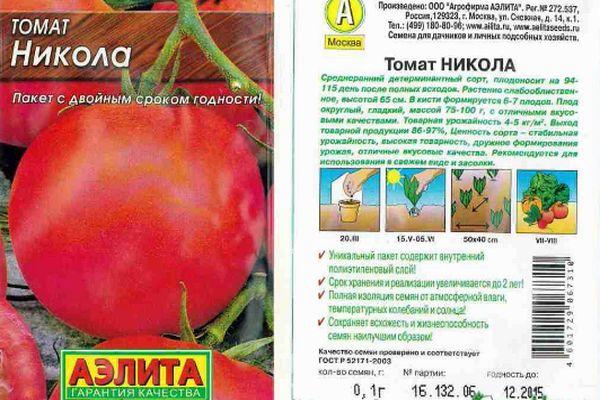
Gardeners are interested in how to grow the Nikola tomato, the characteristics and description of which they found on online forums. The Nikola variety was developed by Russian scientists in Siberia. It is based on the Siberian early-ripening tomato variety. Breeders have refined the variety, improving its characteristics. The Nikola variety has been included in the State Register of Breeding Achievements for over 20 years. It is not a hybrid. Online reviews report excellent taste and good technical properties.
Description of tomato
Characteristics and description of the variety:
- This tomato is suitable for growing in regions with short, cool summers. It is ideal for the Middle Volga, West Siberian, Volga-Vyatka, and East Siberian regions.
- The Nikola variety is a true Siberian. It tolerates temperature fluctuations, minimal rainfall, or cool temperatures.
- Scientists have created a variety adapted to cold and unstable weather conditions, as well as to growing in general-purpose soil. The tomato is planted in open ground and greenhouses.
- The Nikola variety is a determinate, non-standard variety. The bushes grow up to 60 cm tall and have a small number of leaves and branches. The leaves are light green.
- This tomato is mid-early. The first fruits can be harvested 110 days after germination. If the summer is warm, the tomatoes may ripen sooner—after 100 days.
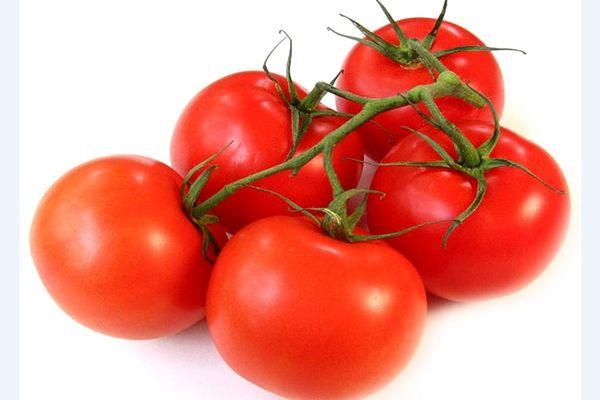
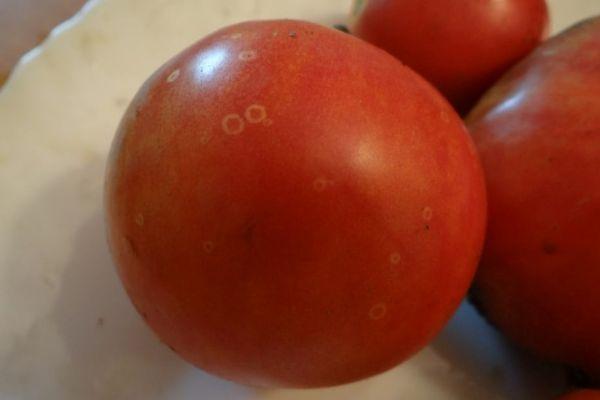
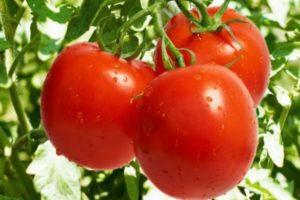
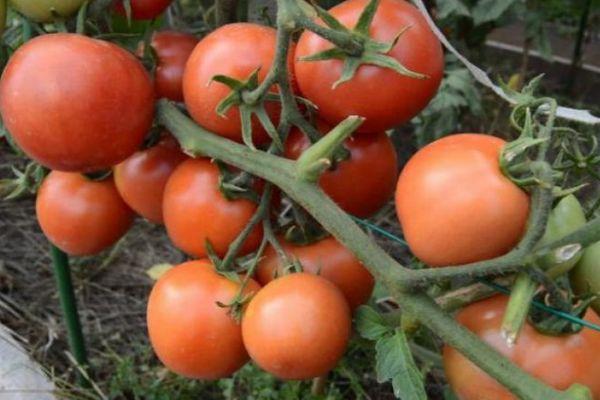
Nikola tomatoes set fruit well. A single flower cluster can ripen 5 to 8 tomatoes at a time. The tomatoes are round and even in shape. Ripe tomatoes acquire a rich red color. The flesh is juicy and meaty. The dry matter content is 4-5%. Inside, the tomatoes are multi-chambered with a medium number of seeds. The skin is dense and resistant to cracking.
The flavor is classic tomato, not overly sugary, with a hint of tartness. Each fruit weighs between 70 and 200 g. Nikola tomatoes have a good marketable appearance, making this variety suitable for commercial cultivation. They keep well and transport well.

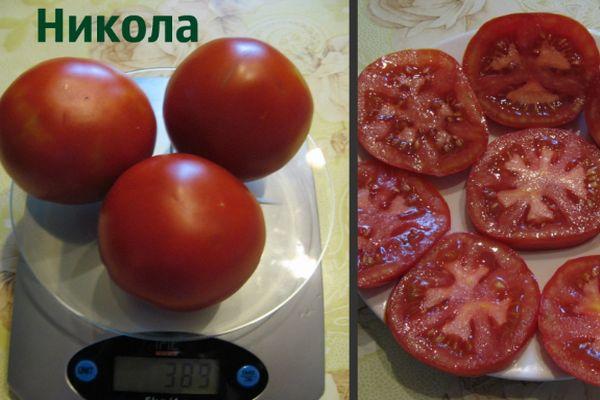
Those who have planted the Nikola variety prefer this tomato for its consistent and consistent harvest. It is a high-yielding variety, yielding 4-8 kg of tomatoes per square meter of soil.
The fruits are suitable for fresh eating and pickling. Dishes made with Nikola tomatoes:
- salads;
- tomato paste;
- side dishes;
- tomato juice;
- vegetable mixes;
- added to soups;
- are prepared for the winter.
The compact size of the fruit allows for whole-fruit canning. The fruits have excellent flavor when eaten fresh, canned, and pickled.
Advantages of the Nikola variety:
- cold resistance;
- good yield;
- high marketability of fruits;
- excellent taste;
- keeping quality;
- friendly ripening of tomatoes;
- there is no need to remove side shoots and tie them to a support.
Disadvantage: predisposition to diseases.
How to grow tomatoes?
Reviews from gardeners and vegetable growers indicate that growing the Nikola tomato is easy. Even beginners can do it. The tomato is grown from seedlings. The seeds are planted in late March. Before sowing, the seeds are treated with a potassium permanganate solution, then thoroughly washed with water and soaked in a growth stimulant. The seeds are planted in the soil to a depth of 1-2 cm and watered thoroughly. It is best to use a potting mix, which is available in specialty stores.
As soon as a few leaves appear, the plants are transplanted into individual pots. The pots are placed as close to the sun as possible. The seedlings are treated with fungal protection products several times. The plants require regular watering with settled water and hardening off.
Planting in a greenhouse takes place in May, and in open beds in early June. By this time, the seedlings have grown tall, and 8-10 leaves and a budding flower cluster have formed on the bushes. The beds are loosened to ensure adequate moisture absorption and aeration. The soil is prepared in the fall and fertilized with manure.
Experts advise gardeners, despite the variety's cold-hardiness, to wait until spring frosts have passed to plant the plants in warm soil. The soil temperature should be at least 15°C.
Tomatoes do not need to be tied up or side-sonned.
To achieve a good harvest, it's necessary to water the plants regularly, weed, and loosen the soil. Fertilizing with chlorine-free fertilizer is also necessary.
This variety is susceptible to common diseases. Gardeners should practice preventative measures. A calcium nitrate solution can be used to treat blossom-end rot. To combat late blight, treat the bushes with insecticides (before flowering) and biological treatments (after flowering and fruiting).
You can water tomatoes with a solution of Fitosporin with a fertility elixir. This solution is designed to prevent and treat bacterial and fungal diseases, as well as promote growth.
Related posts:
 Description of the best varieties of black tomatoes for open ground and greenhouses
 The best grape varieties for growing in the Urals, planting and care rules in summer
 TOP 17 recipes for pickled sweet tomatoes for the winter
 80 Best Eggplant Varieties for Different Regions with Descriptions and Characteristics
 What varieties of tomatoes are best to plant in a polycarbonate greenhouse?
 Descriptions of the 20 best cherry varieties for the Moscow region, their planting and care
 Description of the 90 best varieties of beans for open ground with names
 Delicious recipes for canned tomatoes with honey for the winter, preparation steps