
Sylvester f1 tomatoes, whose description indicates simultaneous harvesting, abundant fruiting, and the ability to be transported over long distances, are popular among vegetable growers. The plant is suitable for indoor cultivation.
Advantages of the variety
The Sylvester tomato is a first-generation hybrid. It is recommended for growing indoors in greenhouses or plastic shelters. The hybrid is resistant to fungal diseases and late blight.
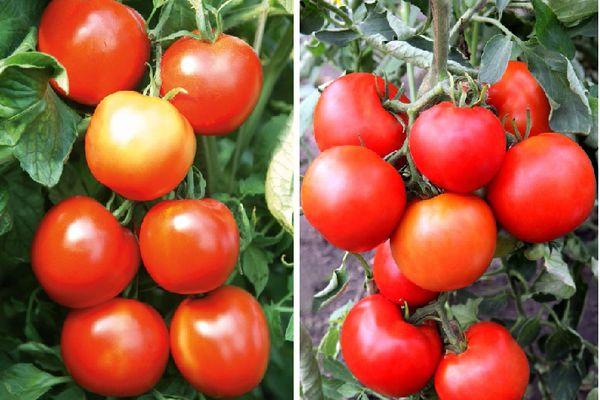
The variety's characteristics and description place these tomatoes among the early-ripening hybrids with excellent flavor. The first harvest occurs in midsummer.
Growing techniques for this crop involve shaping the bush. To do this, three side shoots are left under the first flower stalk, from which the fruits will be harvested. This process is performed once during the growing season.
The leaves of the crop are ordinary, typical for tomatoes, bright green in color, shoots of medium height.
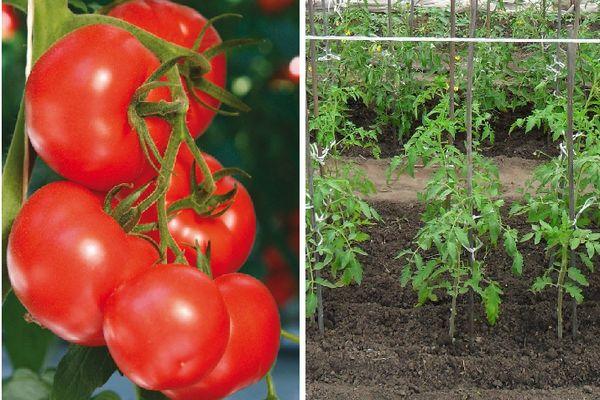
The variety description includes a description of the formation of the racemose inflorescences, which bear 5-8 fruits. Small tomatoes, weighing approximately 110 g, are firmly attached to the stalk. The uniform ripening of the fruits allows for simultaneous harvesting for canning.
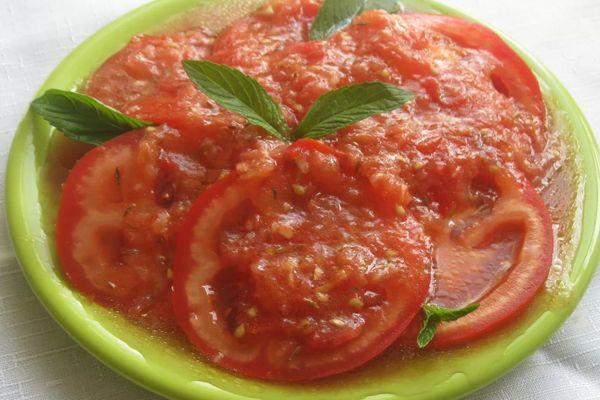
Description of fruits:
- dense, smooth, without a ribbed surface;
- the skin is dense, of medium thickness;
- tomatoes are resistant to cracking;
- The ripening process of the fruit corresponds to the color.
Unripe tomatoes are green, turning yellow as they ripen, and bright red when fully ripe. The fruits are easy to transport.
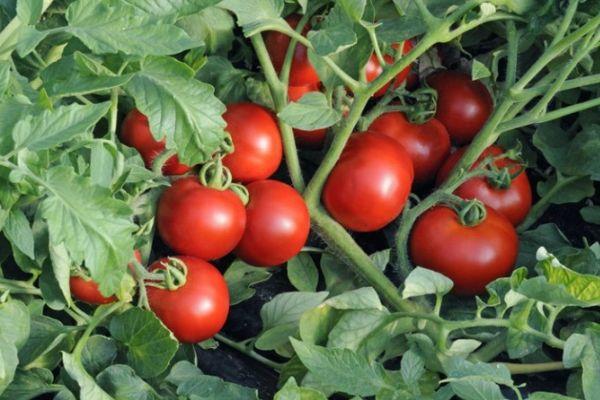
Agricultural technology of cultivation
To ensure strong and vigorous plants, sowing occurs in mid-March. Seedlings planted in February will be elongated, weak, and susceptible to fungal diseases.
Maximum germination and simultaneous emergence of seedlings are achieved by pre-treating the seeds. To do this, soak them in a solution of potassium permanganate. Sow in containers with soil.

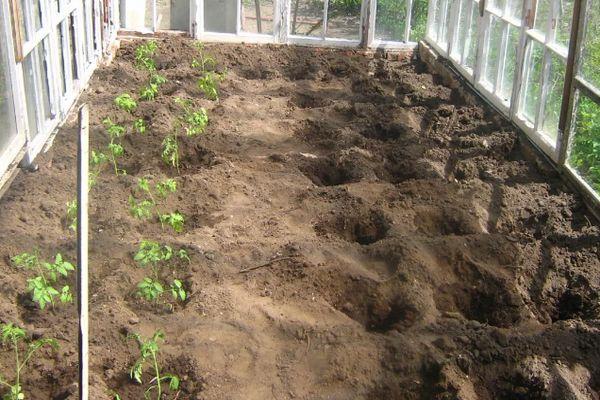
Water the seedlings with a spray bottle to avoid disturbing the air-water balance around the seedlings. Pricking out occurs when 3-4 permanent leaves have formed. During this time, feed the seedlings 2-3 times with a complex fertilizer according to the manufacturer's recommendations. After 45 days, transfer the seedlings to a greenhouse.
The greenhouse temperature is maintained at 23°C. During cultivation, care must be taken to prevent condensation from settling on the plants, as this can promote fungal diseases. To avoid the problem, it is recommended to ventilate the greenhouse.
Opinion of vegetable growers
Reviews from gardeners cultivating the Sylvester tomato variety indicate the hybrid's high yield and the ability to harvest a ripe crop for canning.
Mikhail Shapovalov, 57 years old, Bryansk:
"I've been growing nightshades for many years, so I often experiment with new varieties. The Sylvester f1 tomatoes caught my eye with their description of abundant fruiting. I bought a packet of seeds, grew the seedlings as usual, and planted them in the greenhouse in mid-May. The results were pleasant. The ripened clusters are a pleasure to harvest for canning. The firm tomatoes are not prone to cracking. They have a pleasant aroma and a glossy appearance."
Alexandra Egorova, 43 years old, Novosibirsk:
"I've only recently become interested in tomatoes, so I choose my own seeds for seedlings. I noticed the Sylvester variety online and decided to buy it for growing in a greenhouse. The cultivation technique for this hybrid is similar to that used for tomatoes. I sowed the seedlings in mid-March, pricked them out when they had two true leaves, and transplanted them into the greenhouse. To ensure a healthy harvest, it's recommended to hill the plants and fertilize them periodically. Following these guidelines allowed the tomatoes to ripen early and evenly. The tomatoes are flavorful, uniform in size, and store well and transport well over long distances."
Related posts:
 80 Best Eggplant Varieties for Different Regions with Descriptions and Characteristics
 The best eggplant varieties for growing in a polycarbonate greenhouse: planting and care
 The best grape varieties for growing in the Urals, planting and care rules in summer
 The best and most productive tomato varieties for greenhouse cultivation in the Urals, with descriptions
 Description of the best varieties of black tomatoes for open ground and greenhouses
 Description and characteristics of the sweetest tomato varieties for greenhouses and open ground
 Description and characteristics of the best seeds of pea varieties and types
 Descriptions of the 20 best cherry varieties for the Moscow region, their planting and care
