
The "Bochonok" tomato is a large-fruited variety. It can be planted outdoors or in unheated greenhouses. Orange Barrel F1 tomatoes have a fairly high yield. A single plant can produce up to 10 large fruits, and some farmers manage to get 12-15 large berries per plant. This tomato is used to make salads, juices, and pastes. Some gardeners preserve the fruits of this hybrid for the winter.
Some information about the plant
The characteristics and description of the variety are as follows:
- The growing season from seedlings to first fruits lasts 100-112 days.
- The bushes can grow up to 150 cm. The plant's leaves are green. Gardeners should be aware that the tomato plant is prone to developing side shoots.
- Each stem produces 4 to 5 clusters, each bearing 5-6 fruits.
- Due to the large mass of the berries, the bushes have to be tied to strong supports, otherwise their branches will break off.
- The hybrid is drought-resistant and heat-tolerant. It can withstand sudden temperature fluctuations.
- The bushes need to be watered once a week.
- The description of the variety can be continued with the hybrid's fruits. The berries weigh from 0.3 to 0.5 kg.
- The tomatoes are colored in various shades of orange and gold. The skin is quite thin. The berries are smooth to the touch. Slight ribbing is noticeable near the stem.
- Inside the fruit there are 3 or 4 seed chambers containing small grains.
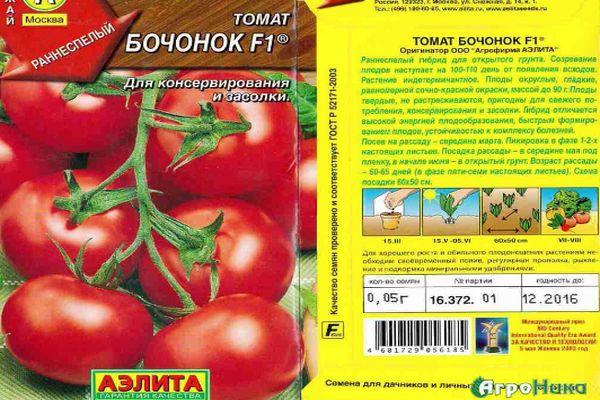
The hybrid grows well in open areas in southern Russia. If you live in the central part of the country, it's best to plant the tomato in a plastic greenhouse or hotbed. In northern regions, it's recommended to grow this variety in heated greenhouses.
How to grow seedlings yourself
To ensure a healthy harvest, it's recommended to purchase seeds only from a reputable producer. Purchased seeds should be stored at the temperature and humidity levels specified on the package.

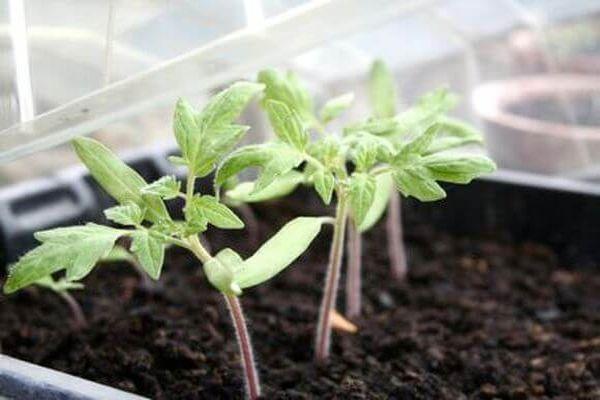
This hybrid's seeds don't require disinfection; this is handled by the grower. Before planting, the boxes, containers, or trays where the seeds will be sown are treated with potassium permanganate, alcohol, or a solution of soda ash.
If using seedling trays, place no more than two seeds in each tray. When sowing in trays, space the rows 25 mm apart. Seeds are planted 15 mm deep. The temperature in the room where the seedlings are growing should be maintained between 23 and 25°C.
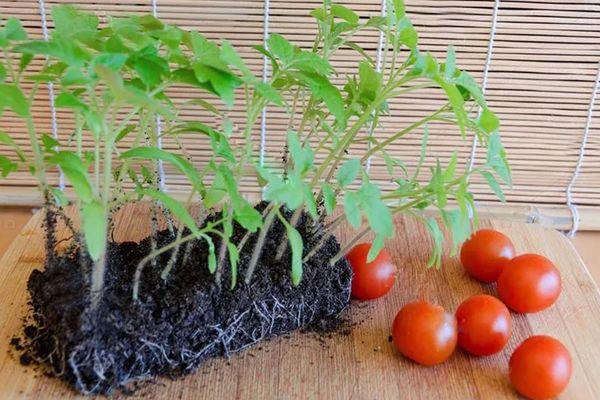
Gardeners also need to monitor soil moisture. After sprouts emerge, reduce the temperature to 18°C. After one or two leaves appear, transplant the plants into individual pots. Water the seedlings with warm water and feed them with organic fertilizers (peat, manure).
Before planting, a complex fertilizer containing phosphorus, nitrogen, and potassium is added to the soil. The planting size is 0.4 x 0.7 m. Experts recommend transplanting the seedlings to permanent soil after the spring frosts have passed. To ensure the plants withstand the stress, apply 1 tablespoon of superphosphate under each bush. It is recommended to shade the bushes with white material for the first three days.
Caring for plants before harvest
All stems need to be tied up, otherwise they may break under the weight of the fruit. To speed up ripening, remove side shoots and clear the bushes of excess foliage every seven days.
To retain moisture in the soil, it's best to mulch the soil with rotted organic matter. Covering the beds with dark material is also helpful.
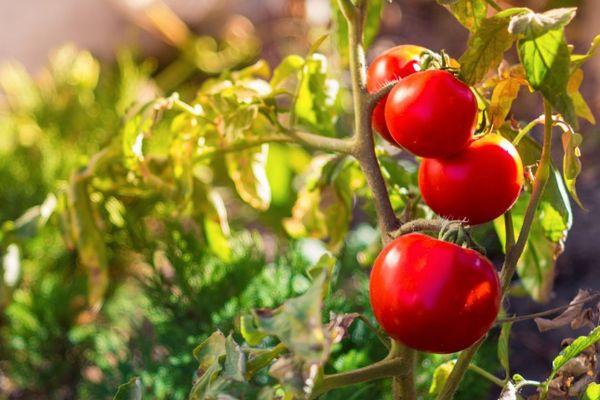
The hybrid should be watered only after the soil beneath the bushes has completely dried out. Use warm, settled water. The beds are watered early in the morning or in the evening, after sunset.
Twice a week, loosen the beds to improve gas exchange in the tomato roots. This procedure helps get rid of parasites that colonize the plant roots.
Weeding of the beds is carried out once every 10 days. This is a preventative measure. It allows you to avoid the hybrid from becoming infected with late blight and other fungal and bacterial infections.

If the bushes become diseased, they are treated with medicinal preparations or copper sulfate. In severe cases where medications are ineffective, it is recommended to destroy the affected bushes.
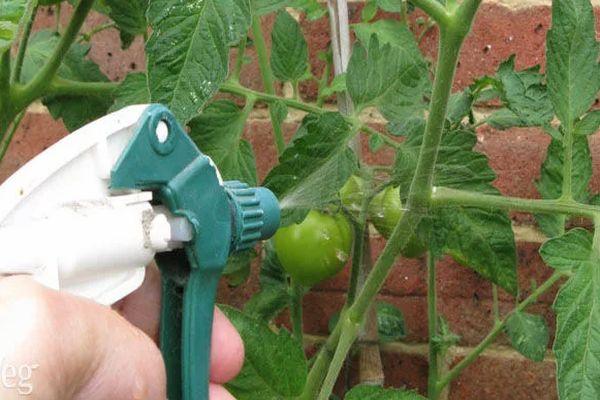
If a gardener discovers pests on tomato leaves, the best way to kill them is with pesticides. If these substances are unavailable, copper sulfate, soapy water, and other folk remedies can be used to combat pests. If slugs appear in the beds, they can be repelled from tomato stems by adding wood ash to the soil beneath the roots. Ash flour eliminates root parasites.
Related posts:
 The best grape varieties for growing in the Urals, planting and care rules in summer
 The best eggplant varieties for growing in a polycarbonate greenhouse: planting and care
 Description of the best varieties of black tomatoes for open ground and greenhouses
 When and how to properly transplant tomato seedlings, the best days in 2025
 Description and characteristics of the best seeds of pea varieties and types
 Description of varieties of sowing peas and cultivation, to which family they belong
 What varieties of tomatoes are best to plant in a polycarbonate greenhouse?
 Growing Climbing Roses and the Top 10 Varieties, Planting, and Care in the Open Ground