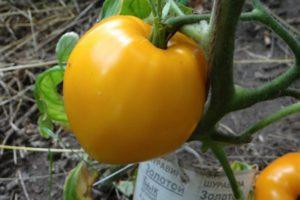
The Kistevoy f1 tomato, whose characteristics and description correspond to first-generation hybrids, is highly disease-resistant. Its fruits have an attractive appearance and retain their flavor for a long time.
Advantages of a hybrid
The Kistevaya variety was bred by Russian agrobiologists and represents one of the varieties of cluster tomatoes. Cultivation conditions depend on the region's climate.
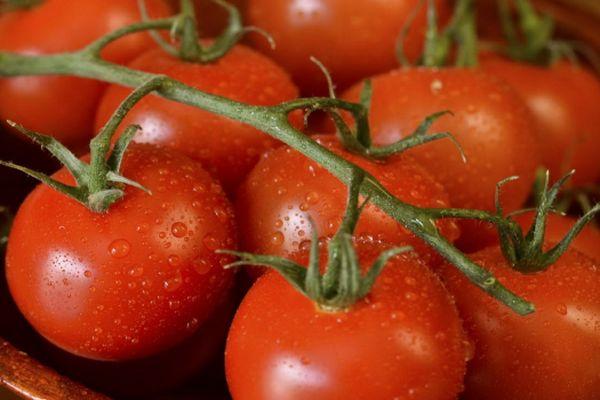
The hybrid is primarily grown in protected soil (film, polycarbonate, or glass greenhouses). Reviews from vegetable growers attest to the variety's popularity.
Based on its characteristics, this tomato is one of the best cluster tomatoes. The hybrid is highly resistant to nightshade diseases. The fruits can be stored for a long time after harvest.
This mid-early tomato begins bearing fruit 90 days after planting the seedlings in the ground. This indeterminate bush reaches a height of 180 cm during the growing season. The plants have a medium number of leaves.
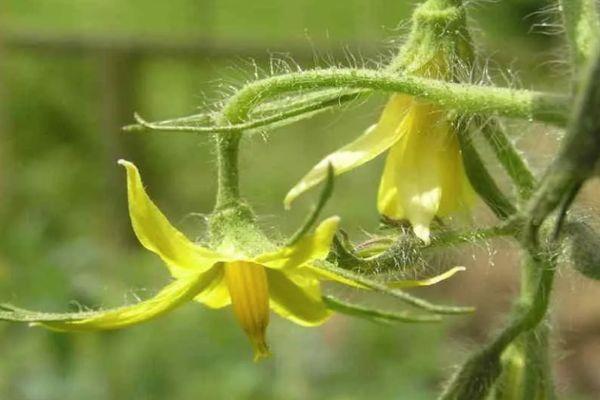
Flowers are collected in simple inflorescences. The hybrid is characterized by a high fruit set rate, with up to 18 fruits ripening in a cluster. The variety yields up to 36 kg of tomatoes per square meter. The hybrid bears fruit over a long period.
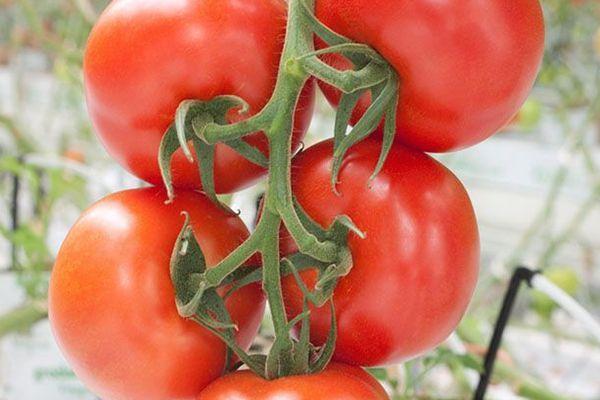
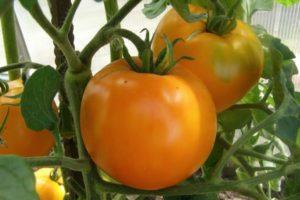
These tomatoes are characterized by a round shape, intense red color, rich aroma, and excellent flavor. Ripe fruits weigh 90-110 g. They have a glossy surface and medium density. They are not prone to cracking during ripening.
The hybrid is resistant to various viral diseases of nightshade crops. The plant tolerates low sunlight well and easily adapts to adverse environmental conditions when grown outdoors.
Even in low-heat conditions, tomatoes produce consistently. Their dense skin and flesh help them maintain their appearance during transportation. Tomatoes are picked from the bush in bunches. This harvesting method helps extend their shelf life.
Cultivation techniques
The Kistevaya hybrid is best grown from seedlings. Place the seeds in a container with prepared soil mixture at a depth of 1 cm. Lightly compact the soil and water with warm water using a spray bottle.
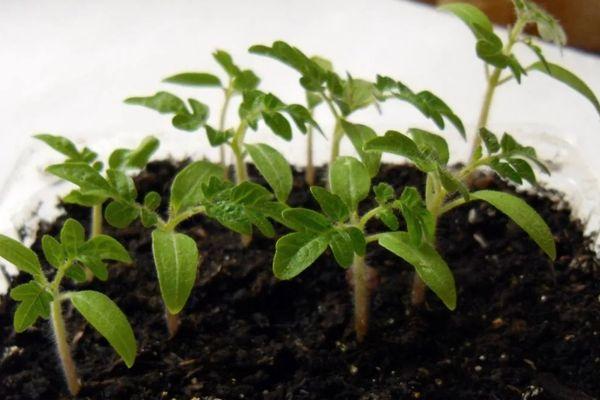
Cover the container with plastic wrap until the seeds emerge. To ensure uniform emergence and normal growth, maintain a temperature of at least 21°C. Seedlings require adequate light, so fluorescent lamps are used to extend daylight hours.
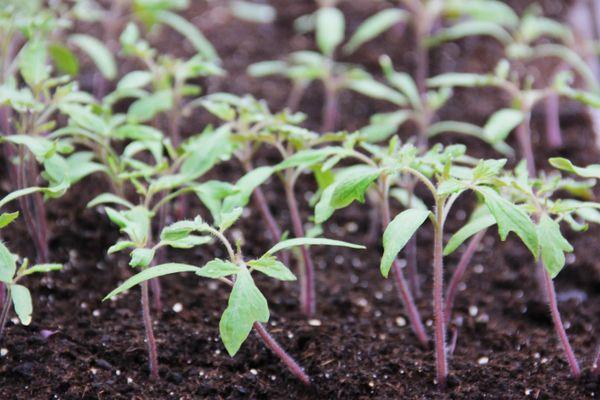
When one or two true leaves have formed, transplant the plants into individual containers. Peat pots are best for this purpose, as they can be planted directly into the ground.
When transplanting, it's recommended to trim the roots slightly to encourage root development. Each seedling should be planted in a separate container with growing medium.
Before planting in a permanent location, the seedlings are hardened off for 7-10 days. To ensure high productivity of the hybrid, complex fertilizers are periodically applied according to the manufacturer’s schedule.
The Kistevaya variety requires special watering, which is done only after sunset. Warm water is applied to the roots. To regulate the moisture and air balance in the soil, loosening and hilling are performed.
To ensure even moisture distribution, it is recommended to mulch the soil with non-woven black fiber. Using last year's grass and straw as mulch provides an additional source of organic nutrition for the crop.
This tall plant requires tying to a trellis or support. When planting, it's recommended to plant no more than three bushes per square meter to ensure each plant has sufficient space.
Related posts:
 The best eggplant varieties for growing in a polycarbonate greenhouse: planting and care
 What varieties of tomatoes are best to plant in a polycarbonate greenhouse?
 TOP 30 best varieties of cold-resistant cucumbers with descriptions and characteristics
 Description of the best tomato varieties for greenhouses in the Kirov region
 Description of the best Dutch tomato varieties for greenhouses and open ground
 Description and characteristics of the 30 best hazelnut varieties, cultivation
 50 Best Carrot Varieties with Descriptions and Characteristics
 TOP 40 best late-season cucumber varieties for open ground with descriptions