
The hybrid tomato Torquey, whose characteristics and description indicate it was bred in Holland, was introduced to Russia in 2007. This tomato variety was patented by Beyon Zaden, and it is recommended for commercial cultivation. Regions with an optimal climate for the Torquey variety include the Rostov, Vologda, and Krasnodar regions, as well as the Republic of Adygea.
Main characteristics of the variety
Torquay F1 tomatoes are considered an early-ripening variety, since the time interval between seed germination and the first ripening of the fruit is approximately 120 days.
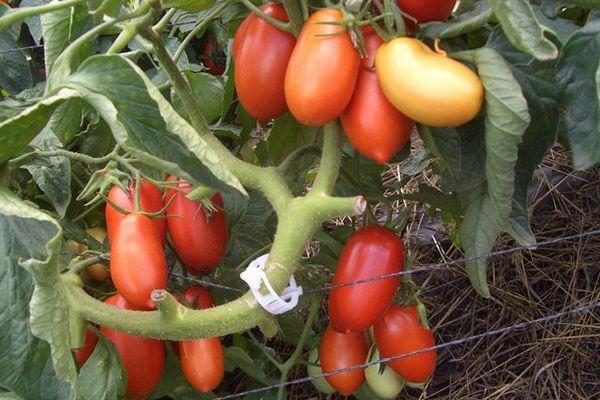
The plant of this variety has the following characteristics:
- belongs to the determinate type of vegetable crops, the height of the bush ranges from 50 to 100 cm;
- the plant is standard, has a lot of foliage, grows compactly;
- the leaves are narrow, usually small in size, and range in color from light to dark green;
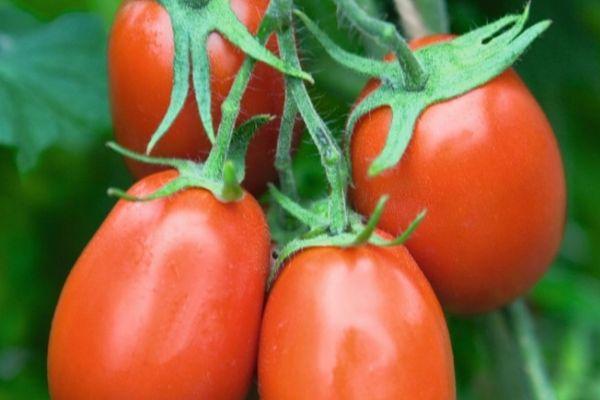
- has a simple inflorescence, with up to 5-7 fruits formed on 1 brush;
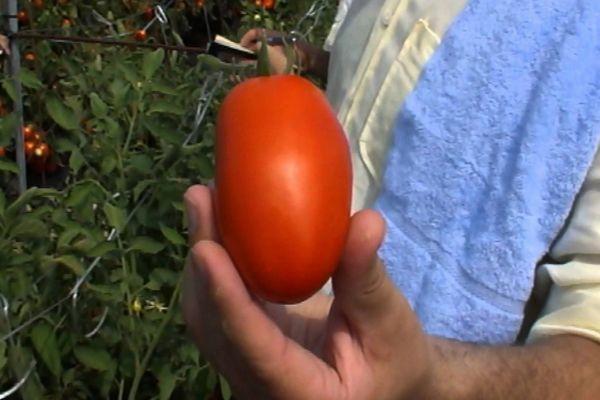
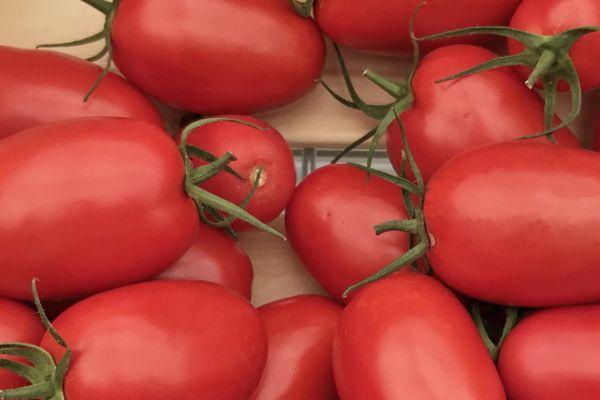
- the fruits are small, have an elongated cylindrical shape;
- the weight of 1 tomato reaches 60-80 g;
- Tomatoes have thin, strong skin and dense flesh with 2 or 3 chambers.
Torquay F1 tomatoes are suitable for any type of processing, as well as fresh consumption.
Breeders point out that tomatoes of this variety are distinguished by their high content of lycopene, a substance beneficial to the human body, as it significantly reduces the risk of cardiovascular diseases and cancer.
Advantages of the variety
A remarkable feature of the Torquay variety, in addition to its long fruiting period, is its high yield, which is virtually unaffected by adverse weather conditions. Even under the worst conditions, up to 5 kg of tomatoes can be harvested from 1 m². Furthermore, this tomato is heat-resistant, tolerates transportation well, and, under proper conditions, can be stored for a long time.
The F1 hybrid tomato variety is resistant to various diseases, including verticillium wilt, stem and root rot, and fusarium wilt. These properties make it indispensable for those looking to grow vegetables on an industrial scale.
Tips for growing and care
Experienced gardeners' reviews indicate that a variety's yield and taste largely depend on the quality of its cultivation. The plant's immunity directly depends on proper planting, timely watering, fertilizing, and other care.
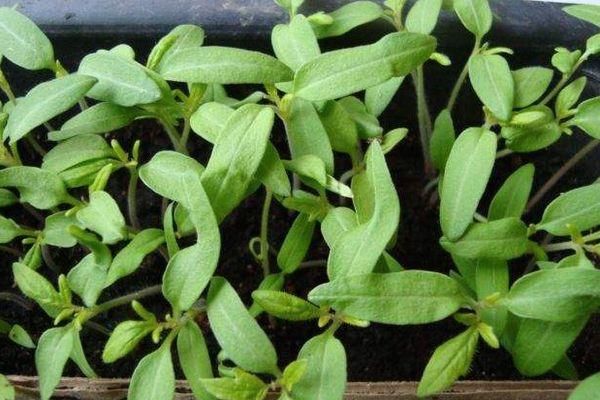
It's recommended to sow the seeds in March. They should be planted in warm, slightly compacted soil. After sowing, cover the soil with a 1 cm layer. Water the seeds with warm water using the air-drip method. Cover the seedling trays with plastic wrap and leave them indoors at a temperature of approximately 25°C.
Once the first sprouts appear, the boxes are uncovered and moved to a brightly lit room. During the first week, it's important to maintain a temperature of at least 15 to 16°C. However, in subsequent weeks, the temperature is increased to 20 to 22°C.
 Plants are pricked out after 2-3 leaves appear on the young bushes.
The seedlings are transplanted to their permanent location in the open ground or greenhouse in early to mid-May. In the following months, the plants require regular watering, weeding, fertilizing with a complete fertilizer, and pinching out the side shoots. The optimal number of stems for this tomato variety is 2 or 3.
Torquay tomatoes are delicious and completely undemanding. However, much depends on the quality of the seedlings used.
Related posts:
 The best grape varieties for growing in the Urals, planting and care rules in summer
 Description of the Velika grape variety, cultivation and care tips
 Description of the best potato varieties of domestic and foreign selection
 80 Best Eggplant Varieties for Different Regions with Descriptions and Characteristics
 Description and characteristics of the best seeds of pea varieties and types
 How to propagate and grow peas, cultivation technology, and care in open ground
 Descriptions of the 20 best cherry varieties for the Moscow region, their planting and care
 The best and most productive tomato varieties for greenhouse cultivation in the Urals, with descriptions
