
The Morning Dew tomato is an early-ripening variety. The harvest appears 3.5 months after the seedlings mature. This variety is recognized as the best among early-ripening tomatoes.
What is the Morning Dew tomato?
Let's look at the characteristics and description of the variety:
- The plant is indeterminate.
- When growing, you need to pinch the top of the stem for better growth and a higher yield.
- This procedure is very important for tomatoes growing in a greenhouse, as it will prevent the bushes from becoming too tall.
- Ripe tomatoes are large and heavy, so the bushes need to be tied to a support or trellis to prevent the branches from bending under the weight of the fruit.
- When growing plants, side shoots need to be removed to form single-stemmed bushes. This will ensure a high yield.
- Since the Morning Dew tomato is universal, the seedlings can be planted both in a greenhouse and in a garden bed.
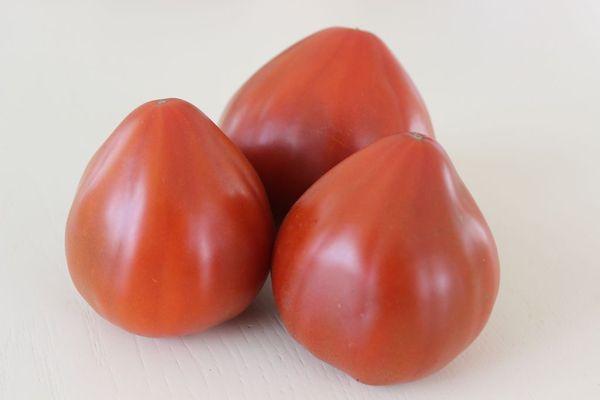
These tomatoes are typically planted on small farms and in garden plots. They have excellent flavor and are best eaten fresh in salads. They can also be used to make juices, pastes, sauces, gravies, and for cooking hot dishes.
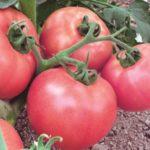
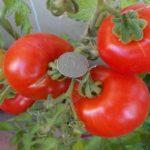
Let's look at the qualities of the Morning Dew tomato and reviews from those who have planted this variety. The plants can grow up to 2-2.5 meters in height. The leaves are small, green with a grayish tint. This tomato produces large, heart-shaped fruits.

Ripe tomatoes are red. They can weigh 250–300 g. They have a sweet and sour flavor. They can be pickled in barrels. Because the fruits are so large, they are not preserved whole in jars, but are used in salad dressings and vegetable caviar.
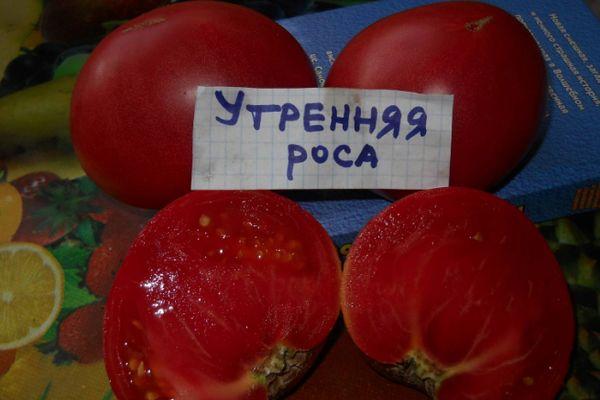
According to gardeners who grow these vegetables, the Morning Dew tomato variety produces excellent yields, reaching 3-3.5 kg per bush per season. Plant 3-4 bushes per square meter, yielding approximately 14 kg. Ripe fruits can be transported long distances without deteriorating in quality. Morning Dew tomatoes can be stored in boxes in a cellar for over a month without losing their flavor.
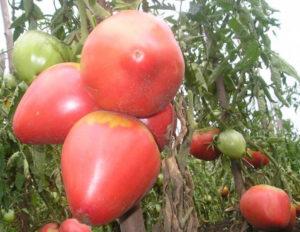
Advantages of the variety:
- excellent taste of ripe fruits;
- plant resistance to diseases and pests;
- unpretentiousness in cultivation;
- resistance of bushes to cold and heat;
- large fruit size.

The downside is that the fruits cannot be preserved whole. They are eaten fresh or salted in a barrel.
How are tomatoes grown?
Let's look at how tomatoes are grown. Tomatoes are grown using seedlings. First, seedlings are grown indoors from seeds, and then the mature sprouts are transplanted into a greenhouse or outdoors. Seeds should be sown at the end of March in containers containing a nutrient mixture. Plant the seeds 1.5 cm deep. Sprouts emerge 10-14 days after sowing. When the seedlings have 2-3 leaves, they are transplanted into pots.
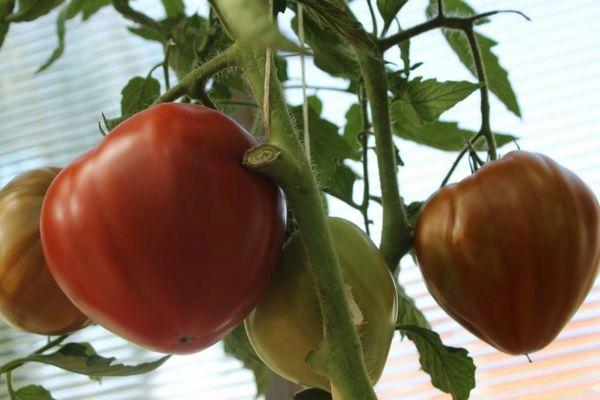
Before planting, the sprouts should be fertilized several times with mineral mixtures. They also need to be hardened off. About 7-8 days before planting, they are taken out into the cold (outside or onto a balcony) for a short time, and 1.5 months after sprouting, they are transplanted into the garden bed.
If you have a heated greenhouse, you can plant seedlings in it in mid-April, but in a hotbed under cellophane you can plant only in mid-May. Plants need to be watered regularly, the soil loosened and fertilized, and weeds removed. Watering should be done in the evening with warm water.
Related posts:
 Description of the best varieties of black tomatoes for open ground and greenhouses
 Description of the best Dutch tomato varieties for greenhouses and open ground
 Description and full characteristics of the August Dew pear variety, planting and care
 Description of the best tomato varieties for pickling and canning
 Description and characteristics of non-stepsoning tomato varieties for open ground and greenhouses
 Description of blight-resistant tomato varieties for open ground and greenhouses
 TOP 17 recipes for pickled sweet tomatoes for the winter
 Delicious recipes for canned tomatoes with honey for the winter, preparation steps
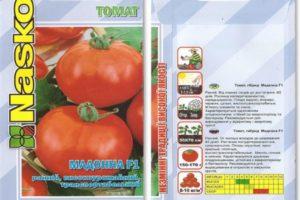
Since last year, Morning Dew tomatoes have become a family favorite. Incredibly tasty, juicy, and plump. They're simply delicious in salads. And how delicious they are cold-salted, quartered, and stored under nylon lids in three-liter jars! Pungent and aromatic. If you grow them with a bioactivator. BioGrow, then the harvest will be enough for everything, both food and pickles.