
The Pink Honey tomato variety has won the hearts of many gardeners thanks to the flavor of its ripe tomatoes. The fruits are large and sweet. Furthermore, Pink Honey is easy to care for, yet produces a good harvest.
Description of the Pink Honey tomato
Pink Honey tomato seeds from the Siberian Garden agrofirm undergo all necessary procedures to increase germination rates. Gardeners are primarily drawn to this tomato variety for its honey flavor, which is where the plant gets its name.
This hybrid is considered mid-season. The tomatoes begin to ripen in early August. Red fruits can be seen on the bushes even in late July. When grown in a greenhouse, the bush reaches a height of about 75 cm. In the open ground, the bushes grow up to 1 m.
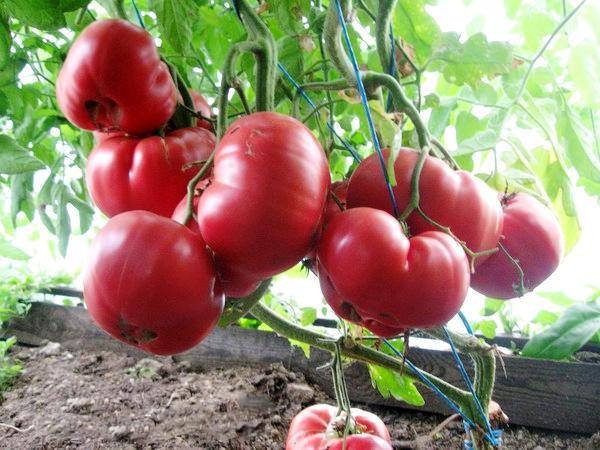
Up to 4-10 ovaries form on a single cluster. The variety yields averagely, ranging from 6 to 8 kg per bush. The bushes are branched and spreading; to keep the tomato more compact, side shoots are often removed as the bush grows. The leaves are a rich green, a shape typical of most tomato varieties.
Characteristics of the variety
The yield is average, but with proper care and regular fertilization, it can be significantly increased. Fruits weigh up to 1.5 kg. The average tomato weighs between 600 and 800 g.
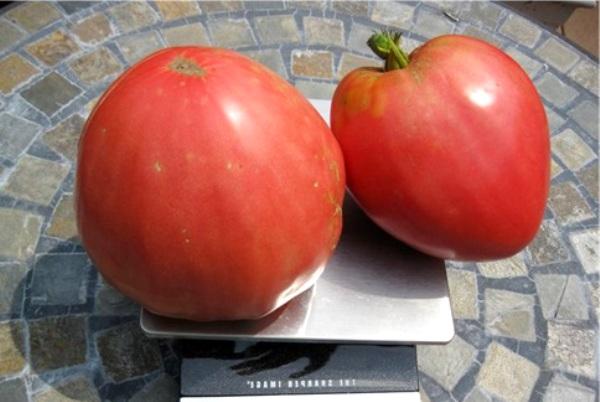
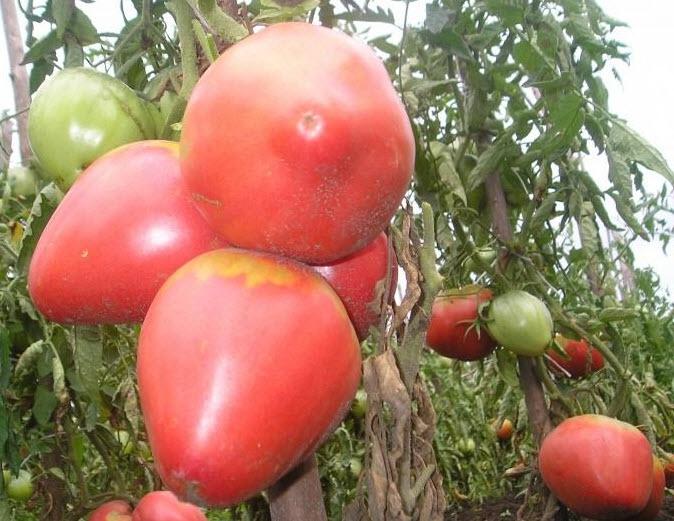
The flesh and skin are light pink. The flesh is plump and juicy, with a sweet flavor, like all pink-fruited varieties. The taste is not sour. The tomatoes have four chambers. The skin is thin and smooth.
There are no signs of ribbing, only near the stalk the skin may be slightly uneven.
It has high drought tolerance but does not tolerate waterlogged soil. Disease resistance is average.
Pros and cons
The advantages of the Pink Honey variety include:
- Precocity.
- Mass ripening of fruits.
- Sugary pulp without any sour taste.
- Productivity.
- Low maintenance.
- Seeds are collected from the larger fruits for further cultivation. Overall, the variety has no significant drawbacks.

The following are some of the disadvantages:
- Short shelf life.
- The harvested fruits cannot be transported over long distances.
- The bushes are often susceptible to diseases of nightshade crops.
With proper care, some of the disadvantages can be minimized.
Landing features
Planting tomatoes isn't difficult. The key is to follow all the proper growing practices and plant them in favorable weather.
In open ground
Growing tomatoes outdoors is only possible after the soil has fully warmed up and daytime and nighttime temperatures are above freezing. The best time to plant tomatoes is determined after the weather warms up. Typically, tomato seedlings are planted outdoors in late May. In southern regions, planting occurs in early May. If there is a risk of freezing temperatures at night after planting the seedlings, the tomato beds are covered.
Stages of planting tomato seedlings:
- Tomatoes for open ground are initially grown from seeds indoors.
- For seedlings, use regular soil from the plot or purchase a ready-made mixture for vegetable crops.
- Drainage (crushed shells, small stones or pebbles) is placed on the bottom of the container.
- Furrows 1-2 cm deep are made in the soil.
- Then the seeds are planted.
- After this, the soil is watered or sprayed from a spray bottle.
- Cover with cling film or glass and place in a warm, light place.
- The soil is checked regularly to ensure that there is no mold and is watered.
- When the first shoots begin to appear, the film is removed and the containers are placed on south-facing windows.
- The seedlings should be in the sun for about 10 hours.
- When the seedlings grow up and the first pair of full leaves appear on them, they are transplanted into open ground.
Planting in open ground:
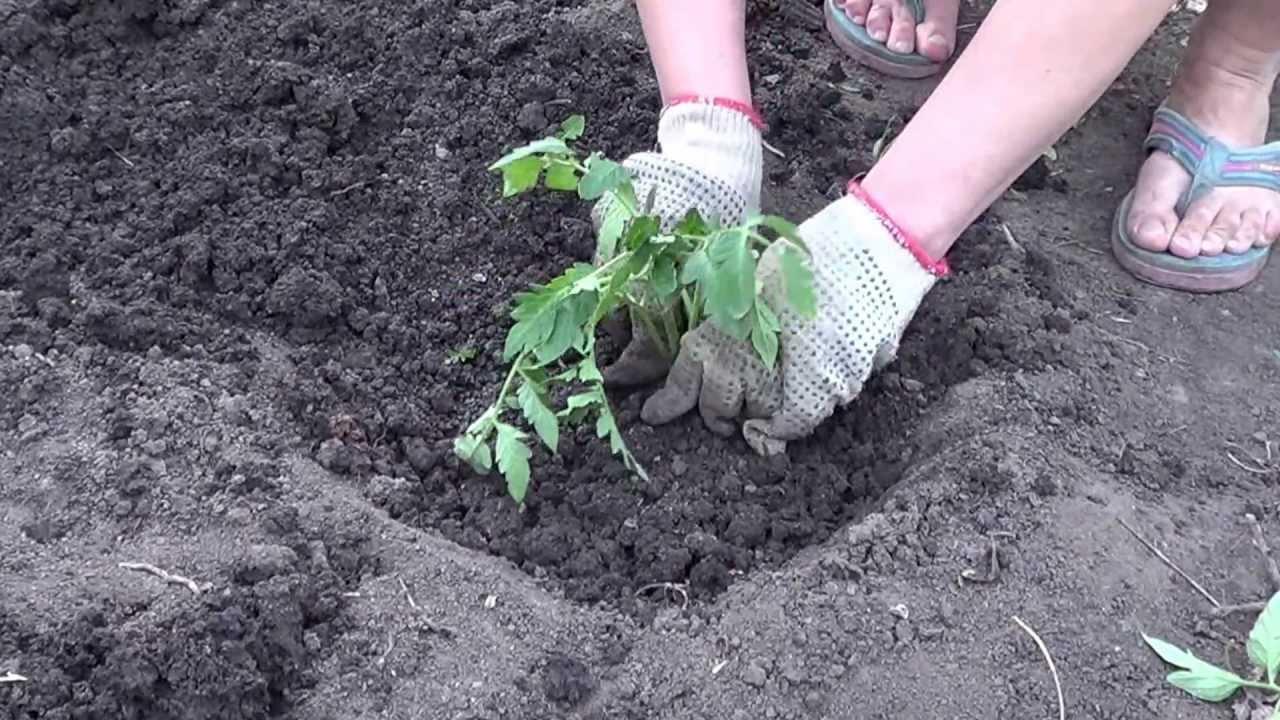
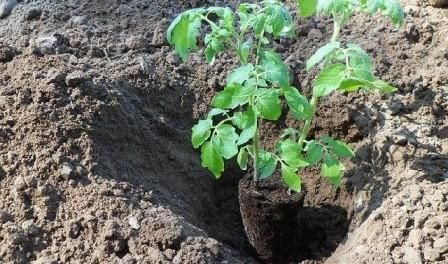
- Dig up the soil, mix it with manure and make furrows.
- Plant seedlings at a distance of 30-40 cm from each other.
- Water generously with warm water.
At night, the seedlings are covered with a warm cloth.
In the greenhouse
In a greenhouse, it's not necessary to plant tomatoes from seedlings. You can sow seeds directly.
We sow without seedlings:
- In autumn, the soil in the greenhouse is dug up and mixed with organic fertilizers.
- In the spring, before planting the seeds in the soil, soak them in water to encourage germination. To do this, place the seeds in damp cheesecloth and place them in a warm area (for example, on a radiator).
- When the sprouts appear, the seeds are transplanted into the soil.
- Shallow furrows are made in the soil and the planting material is planted.
- Then they cover it with soil and water it.
Next, care for the plants as you would for seedlings indoors. Once the seedlings have grown, they are thinned out. Any seedlings that interfere with the growth of other plants are transplanted to a new location.
Care instructions
Without proper care, it's difficult to grow healthy and productive tomatoes. Basic care includes watering, fertilizing, and weeding. Protecting the plants from diseases and pests is also important.
Watering
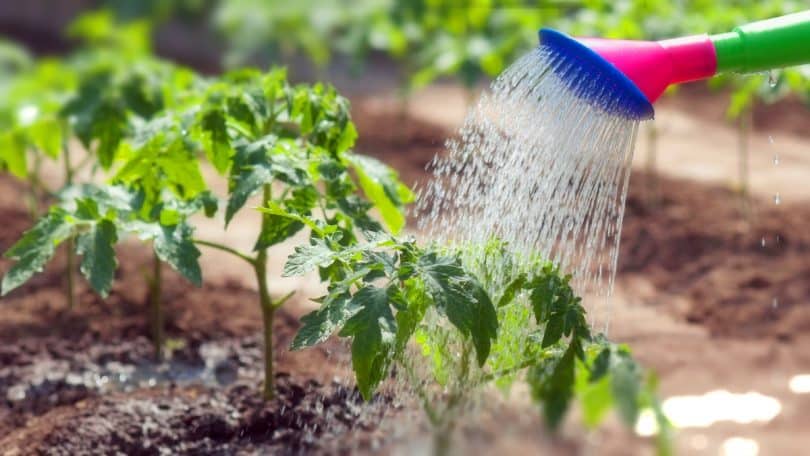
Tomatoes don't require frequent watering. Only young seedlings are watered frequently, from early spring to midsummer. Once the bushes begin to bloom, watering is reduced to 1-2 times a week. Frequent watering will result in watery, dull tomatoes. Use only warm, sun-warmed water. Cold water can lead to fungal and bacterial diseases. 1-2 liters of water per bush is sufficient.
Top dressing
Regular fertilization can not only increase yields but also improve the taste of the fruit. In nutrient-rich soil, Tomatoes grow sugary and fleshy.
During the growing season, several additional fertilizing procedures are carried out:
- The first time the seedlings are fertilized is 2 weeks after planting in a permanent location.
- The second time - before flowering begins.
- The third feeding is applied before the formation of ovaries.
- The last time the soil is fertilized is during fruiting.
During the first half of the season, tomatoes are fertilized with nitrogen and organic matter. Nitrogen has a beneficial effect on seedling growth and immunity.

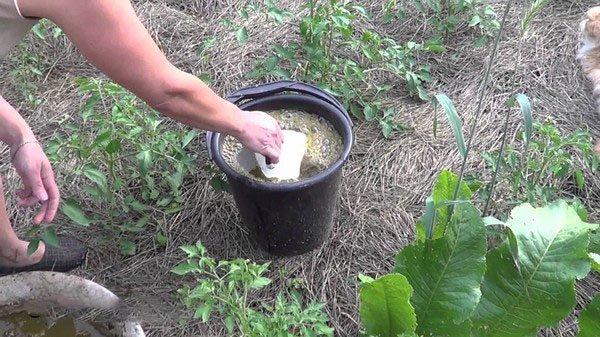
In the second half of the season, bushes need phosphorus and potassium. Potassium improves the taste of the fruit, while phosphorus promotes root development. Organic matter added to the soil includes manure, weed infusions, and wood ash.
Bush formation
When the tomato plant begins to grow, trim off the side shoots. Once fruit sets, you can remove all lower shoots.
Pinching out and tying up
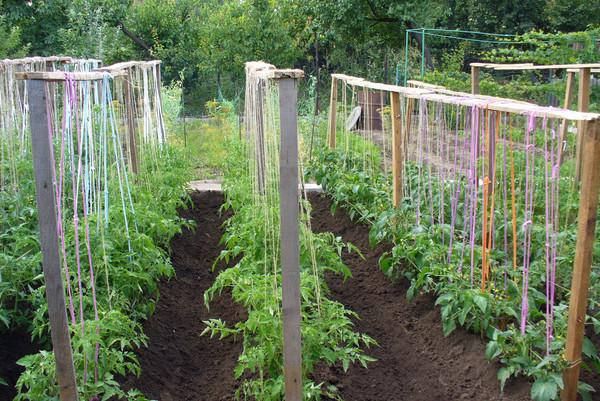
As the bush grows, trim off any side shoots. The bushes are tied up when they reach a height of 50-60 cm, and the stems bend without support. Tall, sturdy trellises are suitable for support. Tomatoes are tied to the support so that the trunks don't bend and stand straight.
Protection from diseases and pests
When signs of disease appear, tomatoes are treated with Ridomil. It's also important to regularly remove weeds and avoid overcrowding. In the fall, after harvesting, the soil is dug to a depth of 20 cm. All green remnants of the plants are destroyed.
Harvesting and storage
The harvest is in August and stored in a cool place. The shelf life is 1-2 weeks.
Feedback from those who planted
Olga, 38: "A good variety with a high yield. The tomatoes are large and sweet, perfect for making juice. I'll be planting this variety next year."
Konstantin, 56: "The tomatoes are large and have a pleasant flavor. I was a bit disappointed with the yield. I was expecting more. Overall, it's a good variety."
Related posts:
 Description of the best varieties of black tomatoes for open ground and greenhouses
 What varieties of tomatoes are best to plant in a polycarbonate greenhouse?
 The best tomato varieties for growing in the Leningrad region for greenhouses and open ground
 Description of varieties of sowing peas and cultivation, to which family they belong
 The best and most productive tomato varieties for greenhouse cultivation in the Urals, with descriptions
 Characteristics and description of the Bull's Heart tomato variety, yield and cultivation
 Description of the best tomato varieties for open ground in the central zone
 How to properly plant peas in a greenhouse and open ground