
The Amur Zarya tomato is popular among gardeners due to its low maintenance and disease resistance. This variety has a sweet flavor and a wonderful aroma, making it highly prized among early vegetable lovers.
Description and characteristics
Among the variety's characteristics, it's worth noting its relatively short ripening period. The fruits are ready for consumption within 100-110 days of germination. The Amur Zori tomato is rarely used for processing. Its rich, sweet flavor makes it an excellent salad ingredient.
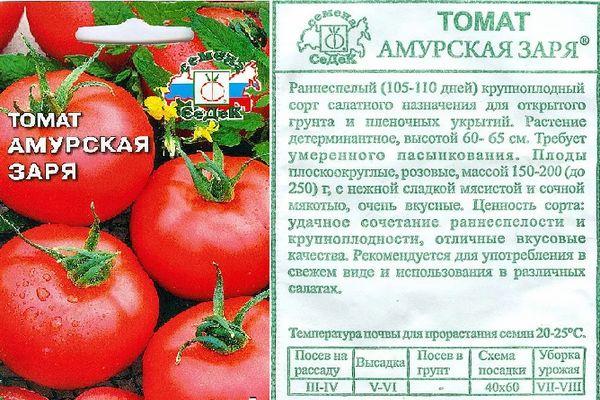
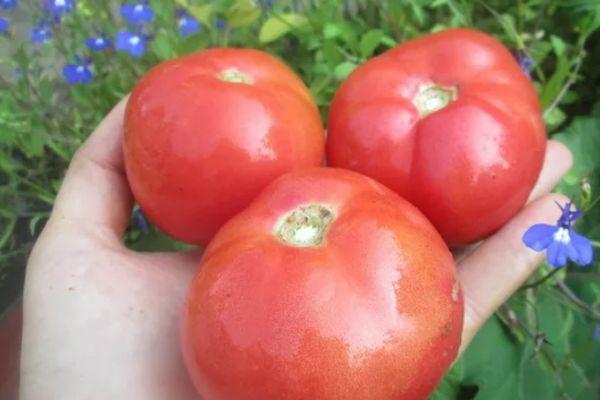
This low-growing plant has large, light-green leaves. Like other salad varieties, it contains a high amount of sugar and dry matter. Its large, pink fruits attract attention with their rich aroma.
Description of the variety:
- large fruits (100 g and more);
- round, slightly flattened shape;
- tomato is smooth, pink in color;
- the tomato is juicy, medium soft;
- 4 or more seminal cavities.
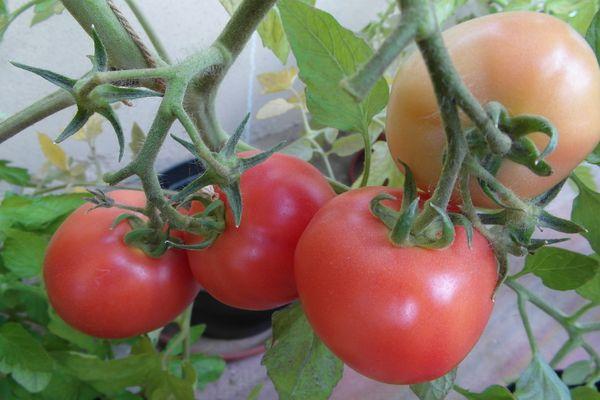
Those who have already planted these tomatoes confirm the advantages of Amur Zarya over other early tomato varieties.
Main advantages:
- ease of care;
- grows well both in open ground and in greenhouses, under film;
- resistant to most diseases;
- does not require constant pinching.
Amurskaya Zarya has a high yield: up to 7 kg of tomatoes can be harvested from 1 m² under the right conditions. However, it's important to keep in mind that this tomato doesn't transport well. Furthermore, it doesn't store as well as other varieties. Despite this, Amurskaya Zarya receives only positive reviews. Many prefer to plant this particular tomato.
Care Features
Any novice gardener can grow delicious tomatoes—all it takes is following a few simple care guidelines. To obtain seedlings, seeds are planted in boxes; the optimal time for sowing is early April. However, for an earlier harvest, you can sow tomatoes as early as late March. This variety doesn't require special soil or fertilizer. You can use general-purpose soil and any mineral fertilizer mix.

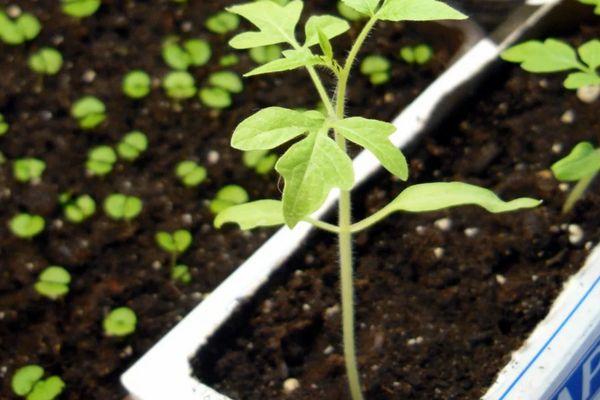
Those who have already grown Amurskaya Zori seedlings recommend hardening them off for at least a week before planting them outdoors. To do this, place the seedlings outdoors for several hours daily. Young seedlings do not tolerate UV light well, so the location where they will be placed should be protected from direct sunlight.
Many gardeners fertilize the soil with fresh manure. However, for this tomato variety, humus is the most favorable environment. After the ovaries have set, the plant is fertilized again. At this time, it's better to use mineral fertilizers rather than organic ones. The next feeding is done during the ripening period. To protect the crop from diseases and pests, the soil is treated with wood ash.
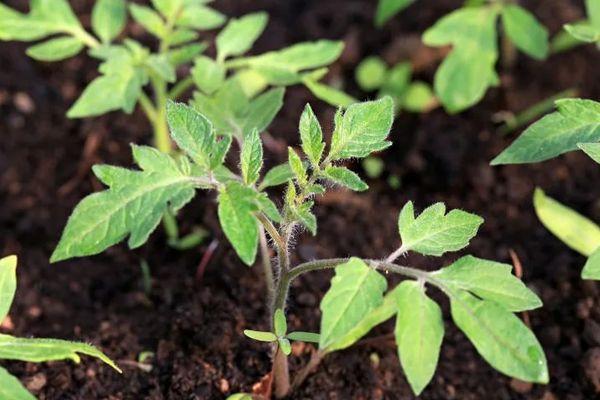
It's important not to overwater. Moderate watering is essential for a good harvest.
If necessary, the sprouts are sprayed with Bordeaux mixture and an agent against the Colorado potato beetle. But this can be done before the fruit appears—the use of any chemicals is prohibited during the tomato ripening period. There's no need to pinch off the side shoots, but you should monitor for weeds and remove them promptly.
Related posts:
 Description of the best tomato varieties for pickling and canning
 Description of the best varieties of black tomatoes for open ground and greenhouses
 Description of blight-resistant tomato varieties for open ground and greenhouses
 The best grape varieties for growing in the Urals, planting and care rules in summer
 Description and characteristics of the best indeterminate tomato varieties for greenhouses
 Description of the best Dutch tomato varieties for greenhouses and open ground
 Characteristics and description of pepper-shaped tomato varieties, yield and cultivation
 Descriptions of the 20 best cherry varieties for the Moscow region, their planting and care
I like that the tomatoes grow quite large. They are also very flavorful. I've been growing these tomatoes for two years now, and the yield is excellent. I use [the bioactivator] BioGrow.