
The Big Rainbow tomato is an excellent choice for gardeners who prefer sweet tomatoes with a unique flavor and appearance.
What is the Big Rainbow tomato?
Characteristics and description of the variety:
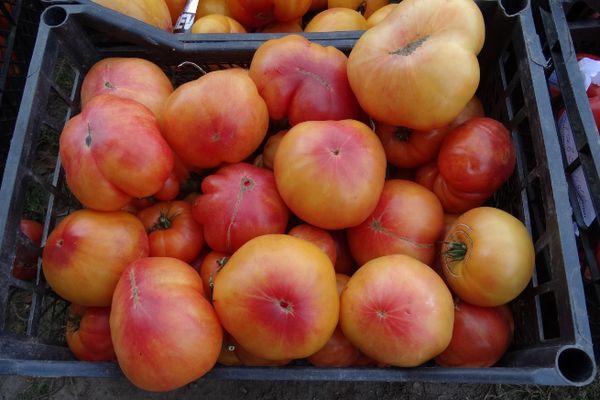
- Big Rainbow is a large tomato, the weight of 1 fruit can reach 800 g with proper care.
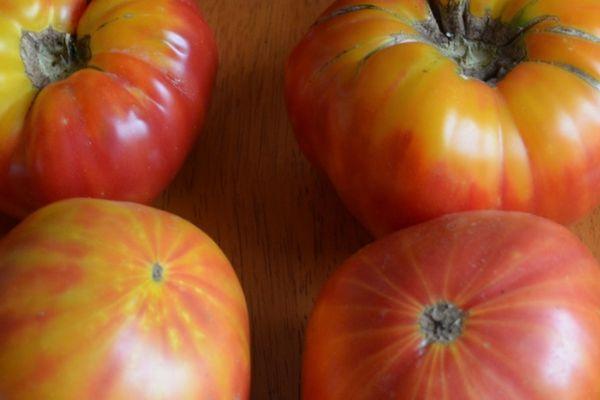
- The shape of the tomato is flat-round.
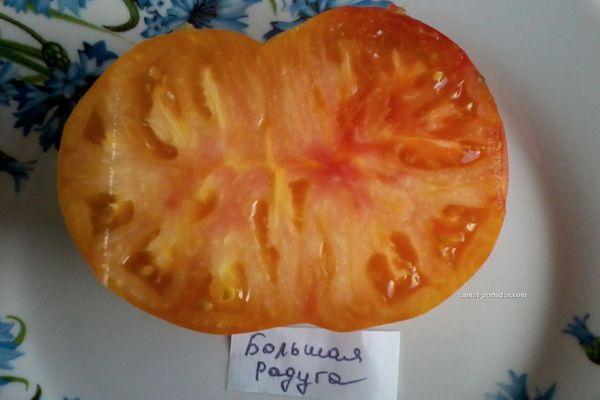
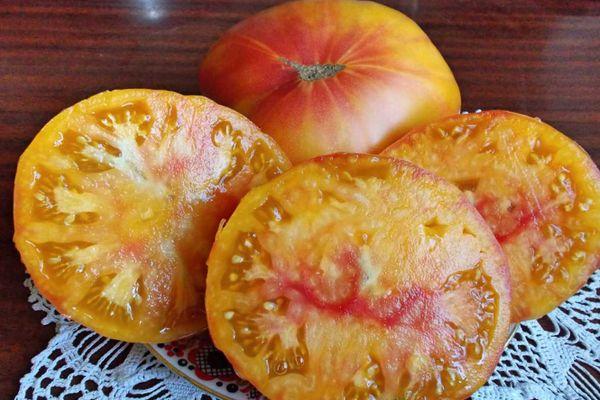
- The fruit's coloring is unique: red tomatoes are tinged with orange and yellow. The taste is distinctive. Farmers' reviews say the tomatoes are very tasty and sweet, lacking the tartness common to many other vegetables.
- Rainbow tomato has soft flesh.
- The fruits are suitable for preparing various sauces, juices, and also for fresh consumption.
This variety was developed by American breeders and is now widely grown in Russia. In the south of the country, tomatoes can be grown outdoors, while in other regions with a temperate climate, greenhouse cultivation is recommended.
Tomatoes have a number of advantages that distinguish this variety from others:
- Excellent taste qualities - sweetness and unique taste allow the fruit to receive good reviews from buyers.
- Wide range of applications for preparing various dishes.
- Unusual color and shape of tomatoes.
Tomatoes also have a number of disadvantages that farmers should take into account:
- The variety requires constant garter.
- It is necessary to remove side shoots from tomatoes.
- The variety is unstable to temperature changes and poor climatic conditions.
Despite the fact that Big Rainbow tomatoes are immune to some types of diseases that affect other tomato varieties, it is necessary to carry out preventive measures to prevent the disease.
How to grow tomatoes?
Let's look at the specifics of growing this variety. Seedlings should be sown a couple of months before planting in greenhouses, usually in February. To do this, you need to purchase fertile soil from a specialty store or prepare it yourself. To prepare fertile soil, you'll need peat, sand, and soil. You'll also need humus and a little ash. Mix all these ingredients together and add phosphate fertilizer. The soil for the seeds should be disinfected by steaming.
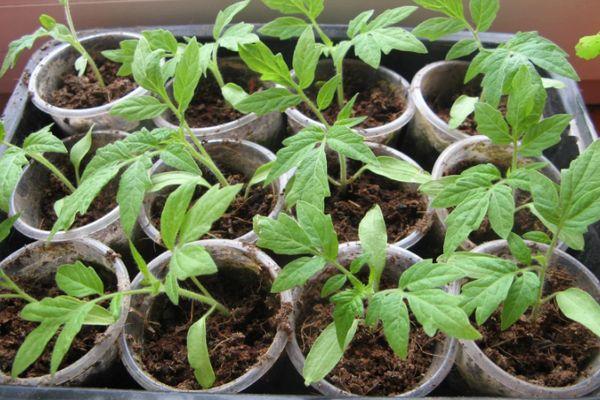
Before planting, check the seeds for germination. This is done by soaking them in a 5% salt solution. Discard any seeds that float to the surface; the rest are still suitable for planting. After planting, the soil must be watered using a sprayer to ensure that the seeds remain in place.
The seedlings are transplanted to their permanent location in late spring, after the last frost. The soil should be warmed to 16°C. It is recommended to space the holes half a meter apart. Fertilizer is added, and the soil is kept moist. A maximum of three plants of this variety are planted per square meter.
The plant produces large tomatoes, which can cause the stems to bend and break. Therefore, it is essential to tie the tomatoes up and regularly remove side shoots. Bushes are trained with a maximum of three stems.
The plant should be watered infrequently, but with plenty of water, and the soil should be loosened after watering. Fertilize monthly with mineral and organic fertilizers.
Related posts:
 Description of the best varieties of black tomatoes for open ground and greenhouses
 The best eggplant varieties for growing in a polycarbonate greenhouse: planting and care
 How to propagate and grow peas, cultivation technology, and care in open ground
 80 Best Eggplant Varieties for Different Regions with Descriptions and Characteristics
 How to plant grapes step by step, with a description of the process and care
 How to properly plant peas in a greenhouse and open ground
 The best and most productive tomato varieties for greenhouse cultivation in the Urals, with descriptions
 The best grape varieties for growing in the Urals, planting and care rules in summer