
Pink tomato varieties are popular with many gardeners, and the Wild Rose tomato stands out among them. This variety, bred and registered in Russia, is noted for its high yield and low maintenance.
Description of the variety
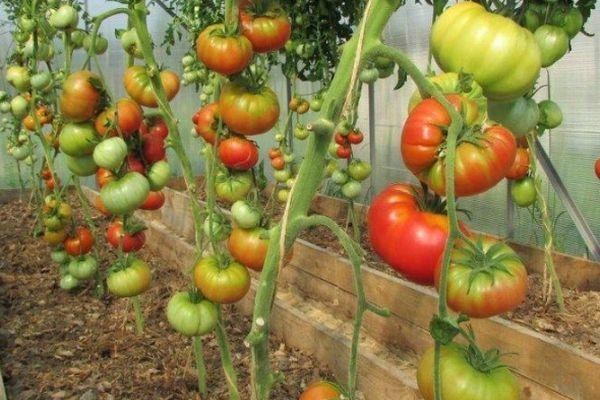
This heat-loving variety copes well with drought, heat, and cold spells. It is suitable for growing in open ground or greenhouses. The tall plant requires staking to protect the bushes from breaking and prevent the fruit from falling to the ground. Supported fruit clusters receive sufficient sunlight and warmth, which influences the speed of ripening. Good yields are observed when grown in temperate climates.

Description:
- plant - indeterminate;
- variety - mid-early;
- height - 170-200 cm;
- ripening - 100-115 days after the first shoots appear;
- yield - 6-7 kg per m²;
- weight - 300 g.
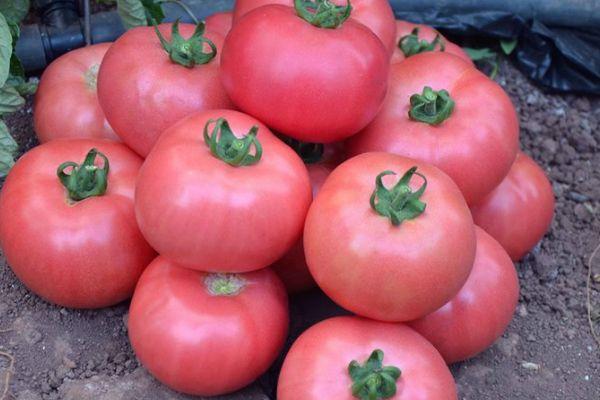
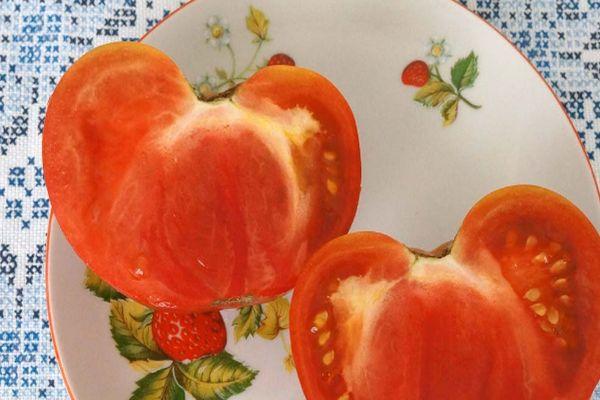
The bushes are spreading, multi-leafed, and require regular pruning. The tomatoes are large, round, slightly flattened, and pink. The skin is thin, and the flesh is juicy and fleshy, not watery. This variety has excellent flavor; the tomatoes are sweet with a hint of tartness.
Pink tomatoes do not keep for long, lose their shape and become soft. They are not suitable for canning, but they are great for salads, hot dishes, sauces and juices.
Growing
Planting takes place in early March. The plant is undemanding in terms of soil, but it is recommended to add humus and a little sand to the soil. Before planting, water the soil with a solution of potassium permanganate and water.
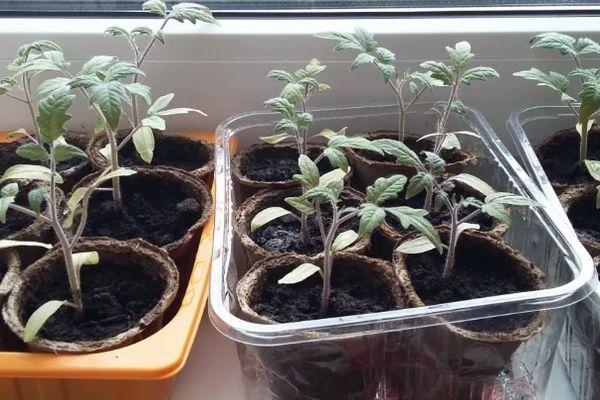
To obtain planting material, seeds are placed in furrows and covered with peat. For rapid germination, the soil should be well-moistened, and the seedling tray should be covered with plastic film. At an air temperature of 24-25°C, the first shoots are visible on the sixth day. After this, the plastic film should be removed and the plants moved to a bright location. The seedlings are transplanted one by one into pots once the first strong leaves appear.
The seedlings must receive sufficient heat and light. Mineral fertilizers should be applied twice during the seedling growth period.
Transplanting seedlings into the greenhouse is best done in the second half of May. Plants should be spaced 65-70 cm apart.
It's important to plant seedlings only when there's no risk of frost, as the plants will die at temperatures below +5°C. Before planting, the plants need to harden off for several days.
The plant is formed into one or two stems. To prevent a decrease in yield, it is important to remove lower leaves from the bushes as needed. Pricking out is done at the stage of two true leaves.
Care Features
In terms of care, regular watering, weed removal, fertilizing, and pinching are essential. Timely protection from fungi, diseases, and pests is also essential.
Advantages and disadvantages
This variety is suitable for anyone who cares about their health. Selenium, found in tomatoes, helps combat a variety of diseases. It is effective in fighting cancer cells and is aimed at improving heart function.
Advantages:
- Good yield.
- Unpretentiousness to planting soil and climatic conditions.
- Easy to care for.
- Resistance to many fungal diseases.
- Resistance to drought and heat.
- Large fruits with excellent taste.
Positive characteristics in many respects make this variety popular among pink tomatoes.
Among the disadvantages, gardeners mention the following:
- It is necessary to plant bushes at large intervals, the plant grows and requires a lot of space.
- The quality and quantity of the harvest directly depend on the cultivation method and planting region.
- Tall stems require staking.
The presented shortcomings are rather conditional and insignificant, if we take into account the fact that Wild Rose is considered one of the most delicious varieties of pink tomatoes.
Pests and diseases
This variety is resistant to fungal and viral diseases, particularly tobacco mosaic virus. As a preventative measure, it is recommended to replace the topsoil in the greenhouse annually. A weak solution of potassium permanganate can be used to disinfect the soil. Before flowering, it is best to treat the bushes with copper-containing preparations to protect the plant from late blight.
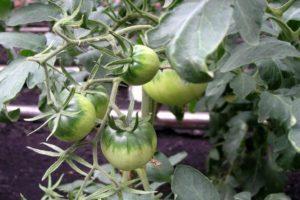
To prevent pests, tomatoes are treated with soapy water or a pepper and cinnamon infusion. Insecticides are used if spider mites are present, but they should only be used before fruit formation. To prevent slugs, the soil is mulched with peat or straw.
Harvesting and storage
Tomatoes ripen 100-115 days after the first shoots appear. They are harvested as they ripen.
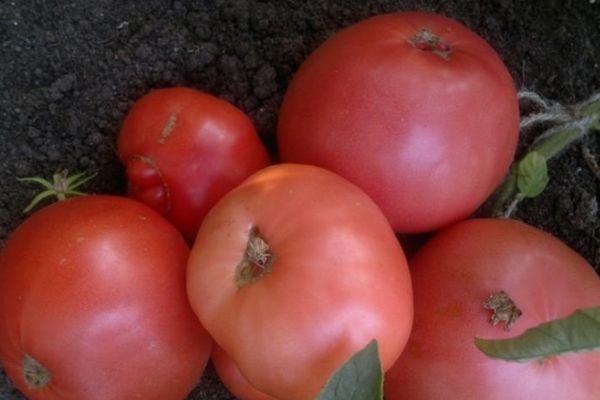
Unripe tomatoes ripen perfectly at home without losing their flavor. While they are transportable, they don't have a long shelf life. Over time, the fruits split, dry out, and spoil.
Gardeners' reviews
The Wild Rose tomato variety is definitely worth considering, although gardeners' reviews are quite mixed. When grown in a greenhouse, the fruit can weigh over 1 kg. The flavor is excellent, and the tomatoes are beautiful, plump, and sweet.
Some who planted the Wild Rose variety weren't impressed with the tomatoes. In particular, they noted an average yield. Therefore, when choosing this crop for planting, it's important to consider the region and growing method, as well as adding the necessary soil nutrients to increase yield. Although this variety is easy to grow, it still requires proper care and feeding.
This variety has proven itself to be excellent and is suitable for both experienced and novice gardeners. These tomatoes are easy to grow, produce abundant fruit, and their flavor makes them an excellent addition to any dish.
Related posts:
 Description of the best varieties of black tomatoes for open ground and greenhouses
 The best grape varieties for growing in the Urals, planting and care rules in summer
 Description of 30 varieties and types of Muscat grapes, planting, cultivation and care
 The best eggplant varieties for growing in a polycarbonate greenhouse: planting and care
 Descriptions of the 20 best cherry varieties for the Moscow region, their planting and care
 80 Best Eggplant Varieties for Different Regions with Descriptions and Characteristics
 Which tomato varieties are best for open ground?
 Description of the 90 best varieties of beans for open ground with names

This tomato grows very large, so it definitely needs to be staked. The yield is excellent even without special fertilizers. Personally, I only feed the seedlings with a bioactivator.BioGrow".