
The hybrid tomato "Dushechka-Marfushechka" was developed by breeders for planting in open ground and temporary greenhouses. The variety is registered in the State Register as an early-ripening variety.
Description of the Dushechka variety
The Marfushechka-Dushechka tomato will be a true gem in your garden, boasting excellent yields, low maintenance, and resistance to diseases, infections, and viruses. Dushechka F1 boasts a balanced composition of minerals, sugars, and organic acids. Through years of testing, scientists have ensured that the variety tolerates drought, cold snaps, and fluctuating weather conditions, which are common during flowering and fruit ripening.
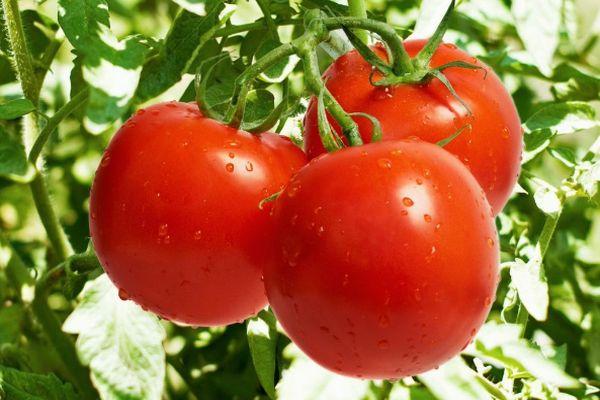
Let's look at the variety's description. According to gardeners, the Marfushechka-Dushechka tomato is very profitable to grow in gardens. Among the key characteristics that distinguish this variety from other early-ripening fruits are:
- The height of each bush of the variety reaches 60-75 cm.
- The plant has an average number of leaves, which are practically invisible due to the abundance of fruits.
- The bushes are strong and powerful with well-developed brushes.
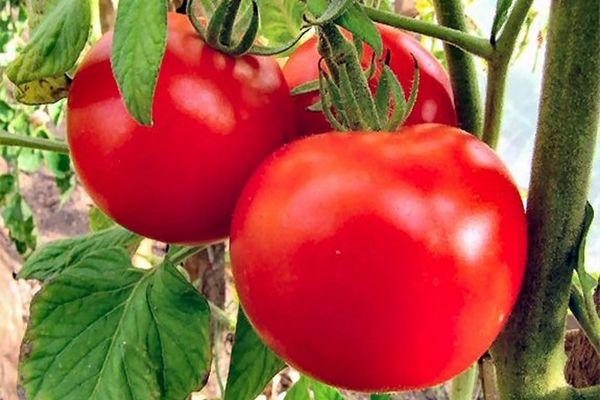
- The fruits are round in shape, have slight ribbing and a loose structure.
- The weight of each tomato is 150-180 g.
- This variety produces smooth, firm tomatoes with medium-density flesh. No green spots were found near the stem.
- Tomatoes Dushechka F1 have a sugary taste.
- The fruits do not crack, even when very ripe.
- Tomatoes are light green when they first ripen, and when the fruit becomes ripe, it turns bright red or just red.
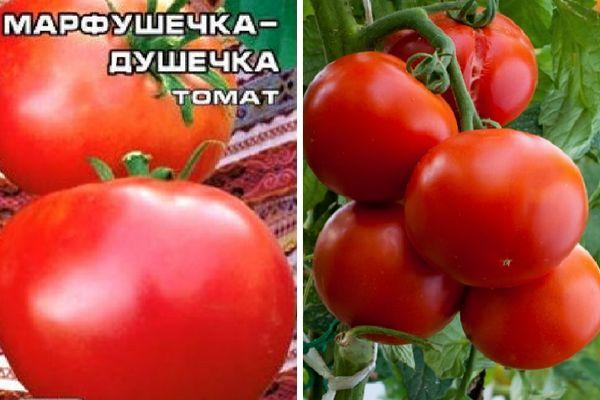
- Each brush has 4-6 fruits.

Each tomato plant can yield several kilograms of tomatoes (up to 8 kg per square meter). To ensure a high yield, experts recommend planting the plants at a reasonable distance from each other, no more than four plants per square meter.
The average maturation period is about 3 months or a little more.
When describing this variety of tomatoes, it is important to note that when ripe, the plant is covered with large green leaves, has a simple inflorescence and a peduncle with an articulation.

Tomatoes are used to prepare fresh and canned salads, tomato puree, soups, tomato juice, and preserves.
Benefits of Tomatoes
Advantages of the tomato Dushechka F1:
- resistance to alternaria, black bacterial spot, tobacco mosaic virus;
- heat resistance;
- early maturity;
- large-fruited;
- high quality fruits;
- suitable for long-distance transportation;
- requires moderate pinching.
A high-yielding, mid-early, low-growing variety for open ground. The bush grows up to 70 cm tall, forming several clusters laden with round, glossy red fruits. The tomatoes, weighing up to 150 g, ripen quickly and are delicious fresh, pickled, and canned.
Let's consider the advantages of tomatoes and the peculiarities of their cultivation.
Tomato Marfushechka-Dushechka has the following advantages:
- Cold resistance, therefore the variety is grown in the harsh climate of Siberia.
- The fruits have excellent commercial qualities.
- Dushechka has average resistance to diseases that can affect plants.
This variety has virtually no drawbacks. It's simply necessary to remove side shoots and tie the stems to a trellis to prevent the bushes from breaking as they grow.
How to grow tomatoes?
Among the nuances of growing the Dushechka-Marfushechka tomato variety, as seen in the photo, are the following:
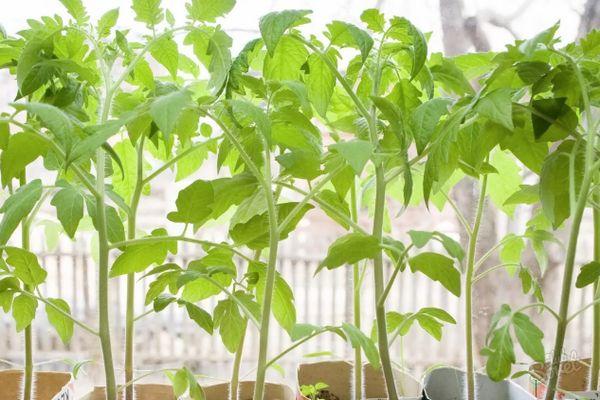
- Sowing seeds into the ground for seedlings is carried out in such a way that after 60 days, that is, after 2 months, the seedlings can be planted in a greenhouse or in open ground.
- Before sowing, the soil must be treated with fertilizers responsible for growth and yield.
- Planting should be done in special containers.
- The seeds should germinate in a warm room where a stable temperature of +23…+25 ºС should be maintained.
- It is necessary to water the plant regularly, feeding the bushes with mineral fertilizers.
- Gardeners should grow tomatoes in 2 stems, tying them up and pinching out the side shoots up to the first cluster.
If you take proper care of the plants, watering the bushes, removing weeds, and fertilizing them, you can get not 8 kg, but 9-10 kg of harvest from 1 m².
Related posts:
 80 Best Eggplant Varieties for Different Regions with Descriptions and Characteristics
 Description and characteristics of the 60 best sea buckthorn varieties, how to choose depending on the region
 The best grape varieties for growing in the Urals, planting and care rules in summer
 Description of the best varieties of black tomatoes for open ground and greenhouses
 50 Best Pumpkin Varieties with Descriptions and Characteristics for Outdoor Planting
 Description of the 90 best varieties of beans for open ground with names
 Descriptions of the 20 best cherry varieties for the Moscow region, their planting and care
 Description of 30 varieties and types of Muscat grapes, planting, cultivation and care
