
The Sparks of Flame tomato is notable for its variegated fruit color and shape. This variety boasts excellent flavor and high productivity. Greenhouse conditions are required for cultivation.
Advantages of the variety
The Sparks of Flame tomato is designed for indoor cultivation. This mid-late ripening variety begins fruiting 110-120 days after germination. During the growing season, it develops a robust bush up to 200 cm tall with a well-developed root system.
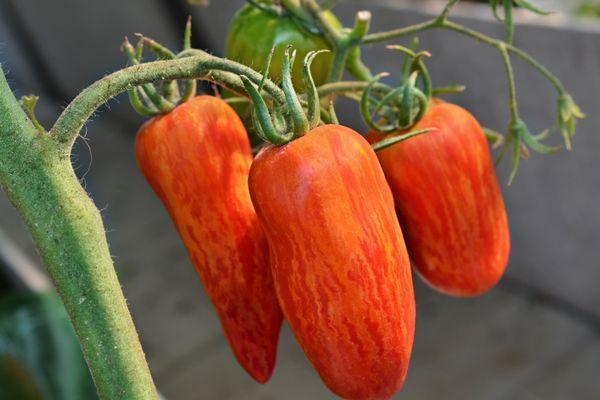
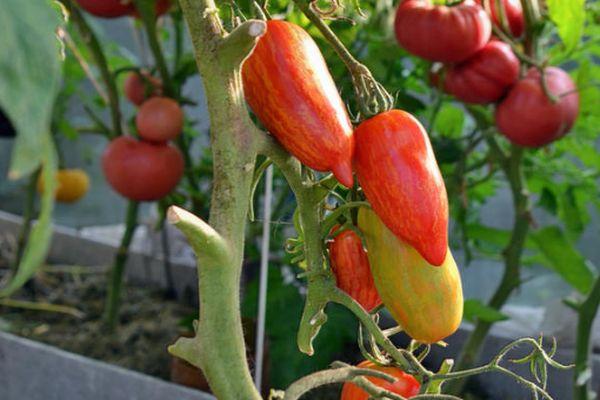
The variety's description is based on the exotic red and yellow coloring, which forms fiery streaks reminiscent of sparks from a fire. The plum-shaped fruits reach 13 cm in length. The tomatoes have fleshy, juicy pulp, sweet when broken.
When cut horizontally, chambers containing a small number of seeds are visible. The tomato skin is firm but not tough and is not prone to cracking. The fruits do not fall from the bushes as they ripen.
Tomatoes weigh up to 150 g. This variety is characterized by high yields, with 7-8 fruits ripening per cluster. These tomatoes withstand long-distance transportation well. They are resistant to viral and fungal diseases of nightshade crops.
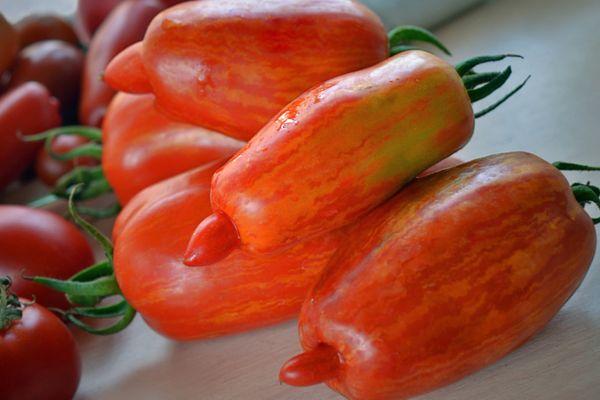
When tomatoes are harvested at the technical ripeness stage, they can be ripened at home while preserving their flavor. In cooking, the fruits are used fresh, in sauces, and in pastes. Tomatoes are ideal for canning. Sliced tomatoes are also added to homemade preserves.
The characteristics and description of the variety indicate the possibility of growing tomatoes on an industrial scale.
Agricultural technology for growing tomatoes
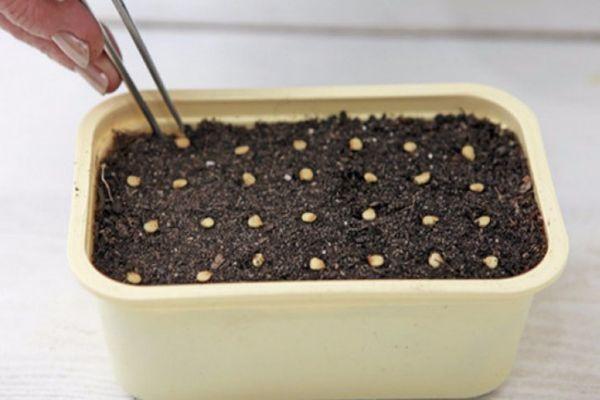
Cultivation Tomatoes start with planting seeds in MarchSpecial cassette containers are used for this purpose. The soil must be carefully prepared for planting. For this, you can use a mixture:
- universal soil;
- 1 tbsp. superphosphate mixed with garden soil;
- humus;
- sand;
- wood ash.

To speed up germination, the seeds are treated with a growth stimulant. After watering with warm water using a spray bottle, the container with the planted seeds is covered with plastic wrap until germination occurs.

Thin shoots are discarded as they grow, and when one or two true leaves have formed, strong plants are selected and pricked out into individual containers. It's best to transplant the seedlings into peat pots, which are then used for planting in their permanent location.
Feedback from vegetable growers indicates that planting seeds without subsequent picking allows for harvesting fruits 2 weeks earlier.
To ensure proper germination, tomatoes require a stable temperature. It's important to monitor soil and air humidity, and water the seedlings as the top layer of soil dries out.
The crop's development depends on proper lighting. Fluorescent lamps are used to extend daylight hours, and when planting in a permanent location, a sunny location is chosen.
As temperatures rise, after the spring frosts have passed, the bushes are planted in the ground or in a plastic greenhouse. Space the seedlings 30-40 cm apart. It is recommended to plant no more than three bushes per square meter.
Before planting the seedlings, carefully prepare the holes and add compost and complex fertilizers containing phosphorus. To avoid the formation of green mass, it is not recommended to apply nitrogen fertilizers,
Tomatoes are fertilized several times throughout the growing season. When fruit set, a complex aqueous solution containing potassium and phosphorus is added.
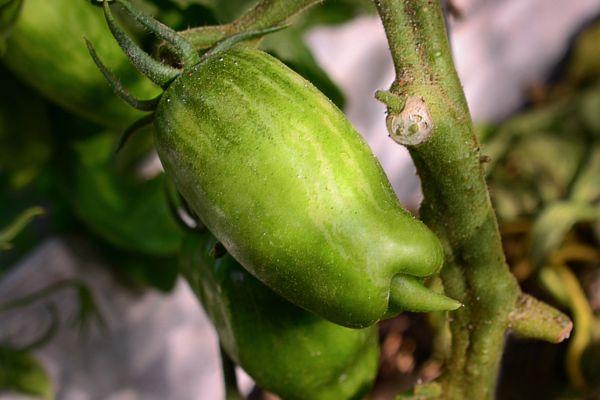
During the growing season, tall tomatoes require staking, stem shaping, and removal of excess shoots. Those who have planted the Sparks of Flame tomato claim that the variety performs best when trained into a two-stemmed bush.
Removing excess shoots helps increase crop yields and ensures light reaches the fruit. Tomato care involves carefully removing weeds, hilling, and loosening the soil.
Water the plants according to a prescribed schedule. Until buds form, apply 3 liters of water at the roots every 3 days. During flowering, apply 5 liters weekly, and during fruit formation, water moderately, using 2 liters twice a week.
 To prevent the development of diseases, it is recommended to treat the bushes with special preparations. Experienced gardeners recommend tying vials of iodine to bushes, which protects plants from attack by pathogenic microorganisms.
Harvesting begins when the fruit weight reaches 100 g.
Varieties with similar names
The description of the Iskra Sibiri tomato is based on its elongated, oval-shaped fruits with a bright red color and excellent flavor. They weigh 150-180 g.
This variety is characterized by high yields and uniform ripening of the fruits. The compact plant reaches a height of 40-55 cm. The bushes do not require shaping or staking.
Short Flame tomato This early-ripening variety begins bearing fruit 85-90 days after germination. The compact, standard bush requires no shoot pruning.
The round fruits, weighing 60-80 g, turn red when ripe. This variety is tolerant of low light and temperature fluctuations. Thanks to its early ripening period, it is resistant to late blight.
Tomatoes with similar names differ from the Sparks of Flame variety in the appearance and color of the fruit, and the type of bush.
Related posts:
 80 Best Eggplant Varieties for Different Regions with Descriptions and Characteristics
 Description and characteristics of the best tomato varieties for outdoor cultivation in the Urals
 The best grape varieties for growing in the Urals, planting and care rules in summer
 Description of the 23 best pear varieties for the middle zone, planting and care rules
 The best and most productive tomato varieties for greenhouse cultivation in the Urals, with descriptions
 Descriptions of the 20 best cherry varieties for the Moscow region, their planting and care
 Description of the Red Early apple tree variety, agricultural technology and specific care
 Description of the best varieties of black tomatoes for open ground and greenhouses