
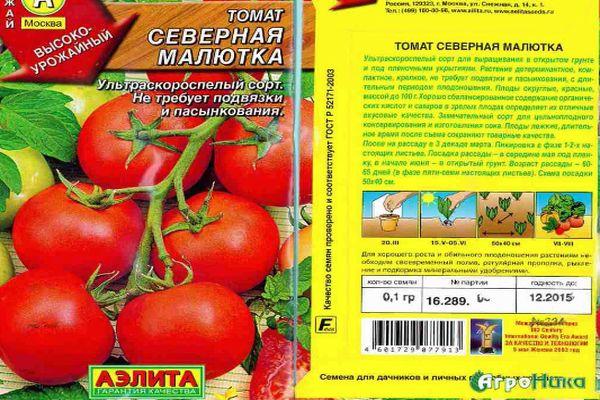
The Severnaya Malyutka tomato is a high-yielding variety that was bred for regions with cool climates, such as the Urals and Siberia.
What is the Northern Baby tomato?
Characteristics and description of the variety:
- The tomato is intended for cultivation in open ground and in film greenhouses.
- This is a determinate variety, the stem height is 40-55 cm.
- The tomato bushes are spreading.
- Leaves are medium sized.
- Inflorescences are simple.
- This is an ultra-early ripening tomato variety.
- The fruit ripening period is 80-95 days.
- At the end of June the fruits are already ripening.
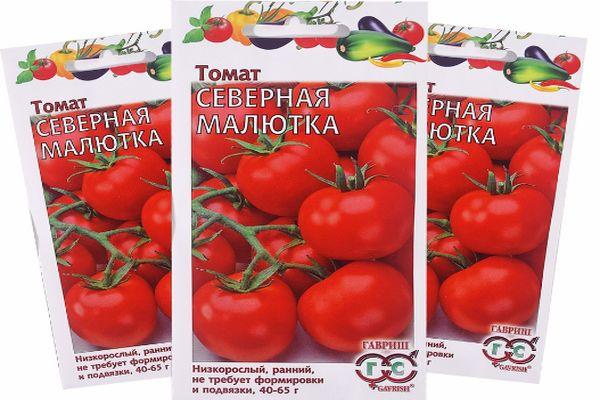
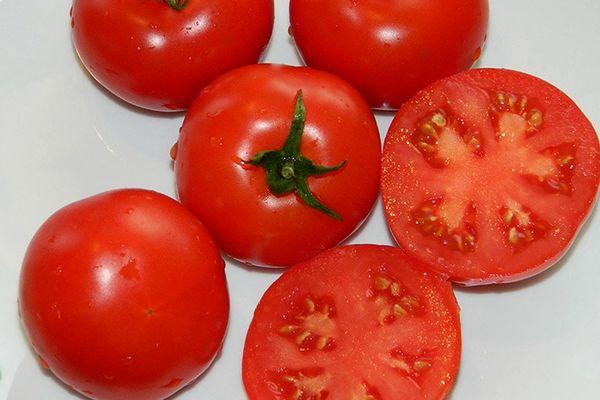
Tomatoes ripen abundantly, with up to 40% of the fruit ripening in the first 10 days. The fruits are round and have smooth skin. The color is bright red. Tomatoes average 45-65 g in weight. Up to 1 kg of fruit can be harvested per bush. Up to 3 kg of tomatoes can be harvested per square meter. This variety is resistant to cold and diseases such as late blight, blossom-end rot, and root rot.
Any homemaker who plants this variety will reap a bountiful harvest. The fruits have excellent flavor and are suitable for pickling and marinating. These tomatoes complement a variety of dishes, side dishes, and appetizers.
Advantages of the variety:
- Easy to care for.
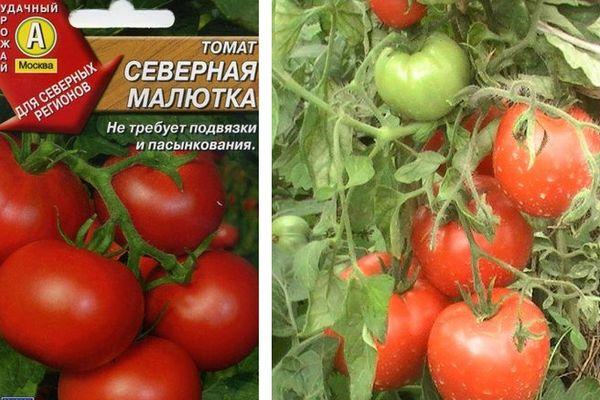
- The bushes do not need to be shaped, and there is no need to remove side shoots.
- The plant needs support during the ripening period to prevent the stem from breaking under the weight of the tomatoes.
- By choosing this variety, gardeners can save space in their plot. Other varieties do not tolerate low light or crowded conditions. The Severnaya Malyutka variety is planted in a 50x40 cm pattern, as the bushes are quite strong and compact, and do not require too much space.
Reviews from those who have planted the Severnaya Malyutka variety are positive. Gardeners note this tomato variety's high yield and excellent flavor with a slight tartness. The fruits can be stored for long periods in boxes in a cool place without losing their flavor. The skin is firm and does not crack. These tomatoes are excellent for commercialization. Vegetable growers collect seeds from ripe tomatoes for planting the following season.
How are tomatoes grown?
You can plant seeds for seedlings at the end of March. Before sowing, the seeds need to be soaked. This can be done using damp wipes, gauze, or foam sponges. Let's look at how to soak seeds using a foam sponge. Take several sponges and make slits in them. Place the seeds inside.
Next, prepare a nutrient solution. Add 5 drops of Epin-Extra, a growth stimulant, to a glass of water. Soak a sponge in this solution and wring it out until it's slightly damp. The sponges can be placed in a single row or on top of each other. Then place them in a plastic bag and tie it shut.
The seeds should be germinated at a temperature of 25ºC for 1-3 days. The sponges should be aired daily and kept moist at all times. Once the sprouts appear, they should be transplanted into peat pots. First, add a nutrient-rich soil mixture to the pots. The soil should be neutral in pH.
To prepare the substrate, mix 3 parts peat soil, 5 parts compost, 1 part sawdust, and 1 cup wood ash per bucket of soil. Water the soil and spread it into pots. Make holes in the pots. Plant the seedlings in the holes and cover with soil.
Don't water the seedlings for the first week. After that, water as the soil dries. Avoid getting water on the stems and leaves. After watering, loosen the soil to prevent blackleg. Place the containers in a bright, warm spot; if there's insufficient light, use phytolamps. Tomatoes should receive 14-16 hours of daylight per day.
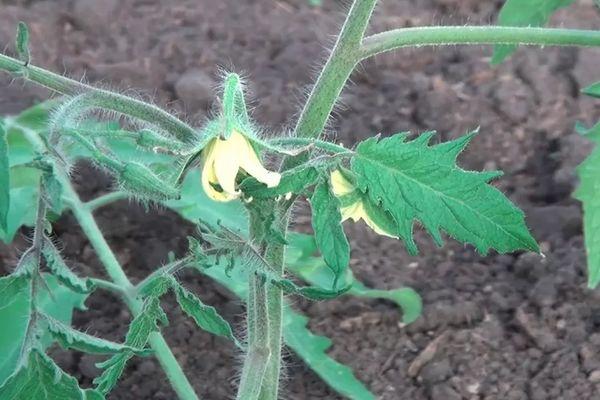 The temperature for growing seedlings should be +22…+25ºC during the day and +12…+14ºC at night. After two leaves appear, transplant the seedlings into separate 0.5-liter containers. Add a sifted potting mix. Make a hole in the soil, scoop out a seedling with a clump of soil using a teaspoon, and transplant into the container. Cover with soil and firm down. Then water with water containing a rooting agent. After four leaves appear, treat the seedlings with fungicides.
If tomatoes are grown in a greenhouse, the area should be treated for pests and bacteria two weeks before transplanting into the soil. Sulfur powder is used for this treatment.
Prepare an iron bowl, place paper in it, sprinkle sulfur, and set it on fire. The resulting smoke will spread throughout the room, clearing it of pests. The seedlings are planted in holes arranged in a checkerboard pattern.
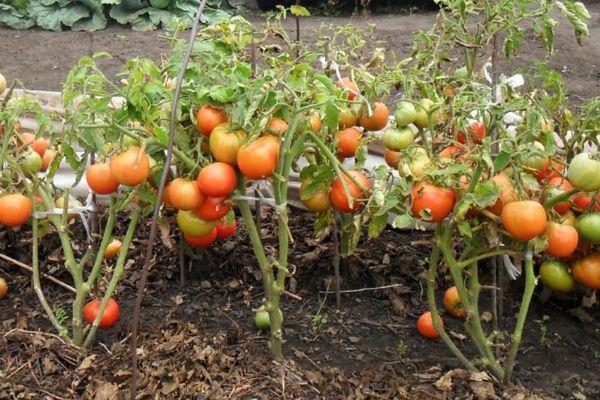
Cover with soil, compact, and water. Mulch the soil. Water at the roots. Don't allow water to stagnate. After watering, loosen the soil. Fertilize the bushes after three weeks. The second feeding is done when the second ovary begins to open. The third feeding is done when the third ovary opens. The fruits of this variety can be eaten fresh, used in salads, or preserved for the winter.
Related posts:
 80 Best Eggplant Varieties for Different Regions with Descriptions and Characteristics
 What is the best way to feed tomato seedlings to make them plump?
 Description of the best varieties of black tomatoes for open ground and greenhouses
 Description and characteristics of the best indeterminate tomato varieties for greenhouses
 Description of the best tomato varieties for pickling and canning
 What varieties of tomatoes are best to plant in a polycarbonate greenhouse?
 Description and characteristics of the 60 best sea buckthorn varieties, how to choose depending on the region
 Description of blight-resistant tomato varieties for open ground and greenhouses