
The Raspberry Giant tomato is easy to grow in your garden (in open beds or under cover). Vegetable growers choose this variety for its consistently high yield, easy cultivation and care, and large, sweet fruits. You can harvest ripe fruits after three months. It's also worth exploring the variety's other characteristics and advantages.
Description of the variety
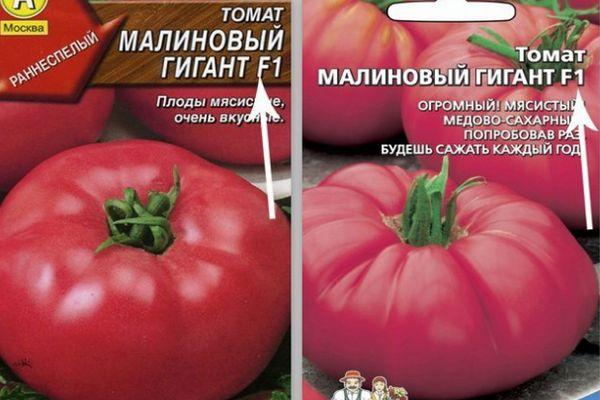
The Raspberry Giant tomato variety from Sedek is a varietal vegetable crop, so the seeds from the harvested crop can be planted the following year. The early ripening period allows for harvesting 92 days after germination.
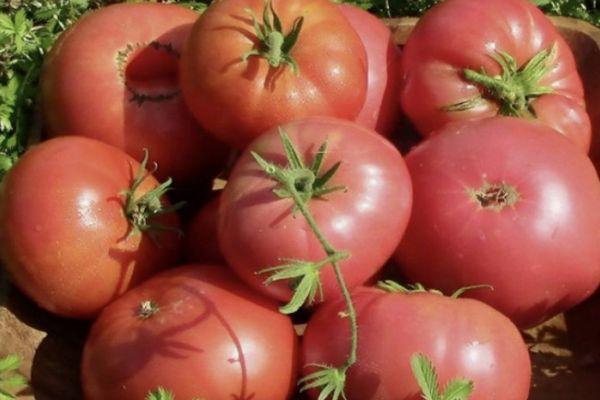
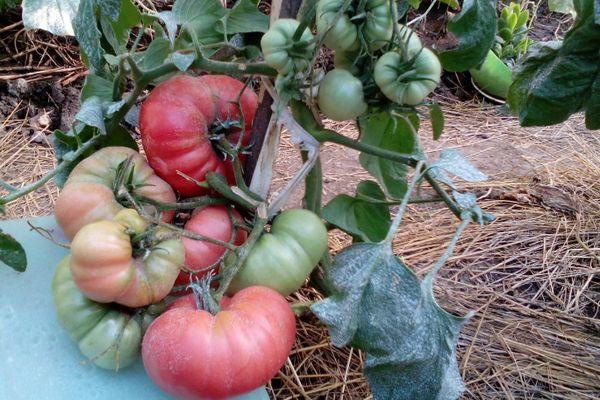
The variety's characteristics distinguish it from other tomato varieties. The bushes are determinate in growth. No growth control is required. The stem reaches 65 cm in height. Although the stem is strong and sturdy, it is recommended to provide support for tying. Due to the large number of large fruits produced, the stem may be damaged.
The stem bears numerous large, dark-green leaves with a slightly wrinkled surface. The roots are well developed and do not penetrate very deeply. In the southern regions, the Raspberry Giant variety is grown in open beds. In the northern regions, it is better to plant tomato seedlings in a greenhouse.
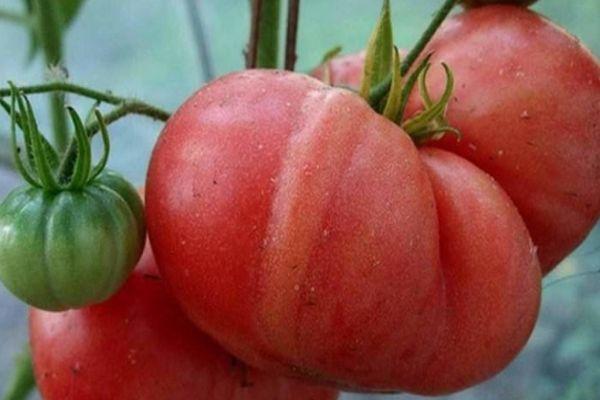
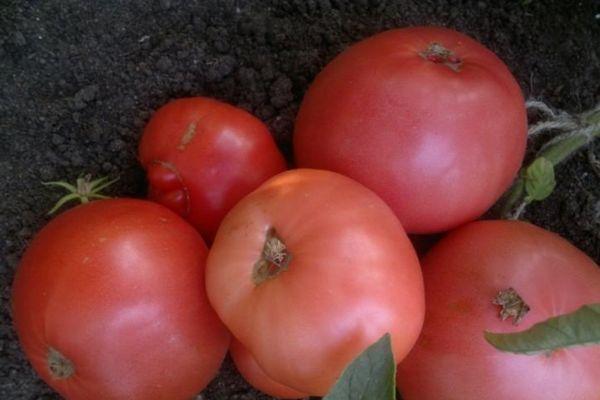
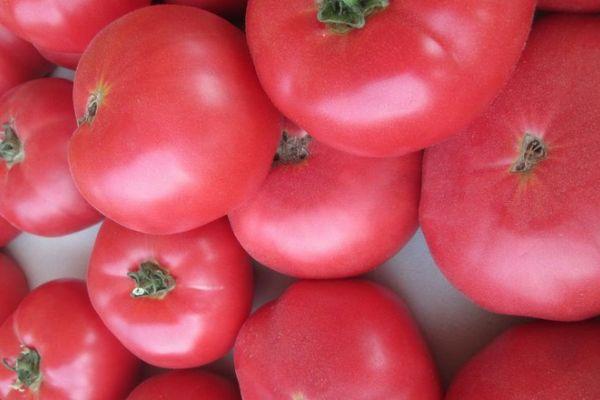
The characteristics of the Raspberry Giant tomato will allow you to get to know your chosen variety better. Each bush produces up to 12 tomato clusters. Each fruit weighs up to 400 g. The tomato is flattened with slight ribbing at the stem. The skin is thin but firm, preventing cracking. The fruits are reddish-pink when ripe. The flesh is dense, meaty, and juicy, with few seeds.
Growing
The Raspberry Giant tomato variety is recommended for growing from seedlings. Planting begins in early March. Pre-planting preparation is carried out beforehand.
Only large, dense specimens are selected. The selected seeds are tested for germination by immersing them in a salt solution for 10 minutes. During this time, any bad seeds float to the surface.
Seeds may contain pathogenic microorganisms on their surface, which begin to actively multiply upon contact with soil. Therefore, disinfection is recommended (a solution of potassium permanganate is often used).
Take a look Also

Experienced gardeners soak seeds 2-3 days before planting in solutions containing growth-stimulating preparations, such as Epin or Zircon; aloe juice can also be used for this purpose.
Fill the prepared containers with loose, light, and fertile soil. If you're using soil from your garden, mix it with humus, sand, and wood ash. Be sure to water the prepared substrate with hot water, possibly with potassium permanganate.
Dig holes up to 7 mm deep, spaced 2.5 cm apart, and sow the seeds, covering them with a thin layer of soil. Cover the container with plastic wrap or glass and store in a dark, warm place. If the room temperature is 20 degrees Celsius, the first shoots will appear in 4–5 days.
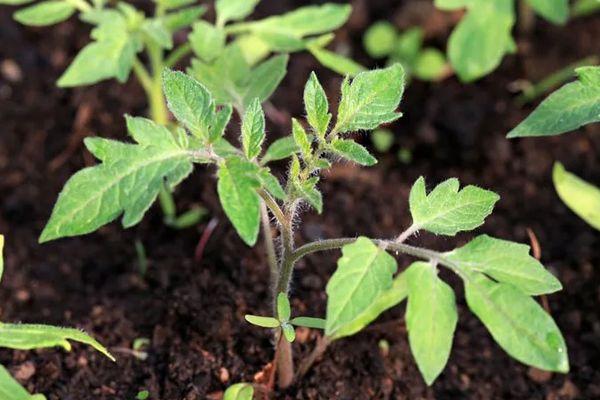
As soon as 3-4 leaves appear, transplant, which this variety tolerates well. Repot into individual containers; peat pots are best. Fertilize two weeks after transplanting. You can add 20 grams of superphosphate to a bucket of water and water the seedlings with the resulting solution.
A few days before transplanting to the permanent beds, harden off the seedlings. This will allow the young seedlings to adapt to the weather conditions more quickly. The seedlings are placed on the balcony with the window open for 30-40 minutes.
The procedure for planting Raspberry Giant tomato seedlings in open ground consists of several sequential steps.
Seedling planting begins in late May, when the soil has warmed up well and the risk of frost has passed. Soil preparation begins in the fall. The area is dug, weeds and remaining tops are removed, and fertilizer is applied. In the spring, the soil is loosened again and holes are dug.
The best soil is loose, fertile, well-aerated, and low in acidity. Sandy loam or loamy soil is ideal. The site should be well-drained and sunny, but draft-free.
Holes are dug 25 cm deep and spaced 65 cm apart. Since the bush is heavily foliated, the spacing between the bushes must be maintained. This will allow air and light to reach all parts of the plant. Humus, sand, and superphosphate are added to the holes. Afterwards, water thoroughly with warm, settled water. One young seedling is planted in each hole.

Care Features
As the bush grows, it's necessary to provide support not only for the main stem but also for the branches. It's best to train the plant into two stems, which is necessary for increased yield.
It's recommended to water the beds as the top layer of soil dries out. Weeds should be prevented from growing, so weed regularly. After each watering, loosen the soil to ensure oxygen and nutrients reach the roots without obstruction.
Two weeks after repotting, apply the first mineral fertilizer, and two weeks later, add organic components. Foliar spraying is also beneficial.
Tomatoes appreciate infusions based on wood ash and herbs. Fertilizers containing nitrogen should be used with caution. Apply the fertilizer in accordance with the recommended dosages and sparingly. Nitrogen is essential during the initial development of young plants, when they need to gain strength and green mass. During the second growing season, tomatoes require potassium and phosphorus.
Advantages and disadvantages of the species
Reviews of the Raspberry Giant variety are mostly positive. Everyone notes its ease of cultivation and the delicious, abundant harvest. The variety's key advantages include:
- formation of large, sweet fruits rich in vitamins and amino acids;
- the variety is suitable for growing both in greenhouses and in open beds;
- the yield is always high;
- The variety is resistant to pathogens and therefore rarely gets sick.
Problems can arise due to improper agricultural practices. Insufficient watering causes the plant to turn yellow and dry out. Overwatering increases the risk of rot. A lack of loosening and weeding leads to weakened immunity.
The disadvantages of the Raspberry Giant variety include the inability to use whole fruits for pickling. Planting requires a lot of space, as the stems are strong and the bush is branched. Cultivation techniques include pinching and side-sonning.

Pests and diseases
Among tomato varieties, the Raspberry Giant variety is distinguished by its high resistance to many diseases and pests. Since the fruits begin to ripen early, the plant does not have time to experience the period when the infection is actively spreading.
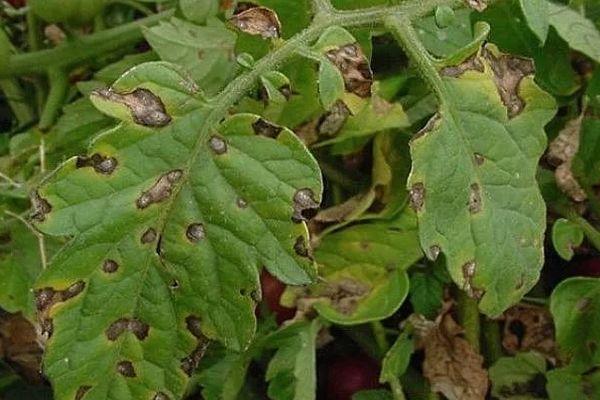
Despite a strong immune system, vegetable growers recommend preventative treatment of their beds. For this purpose, boric acid, garlic infusion, onion peel infusion, and wood ash are used. Biopreparations such as Epin, Zircon, and Oxyhumate are considered safe and effective.
Harvesting and storage
The fruits ripen evenly, so the harvest is quick. Tomatoes can be stored for up to three weeks. For storage, they are placed in boxes and moved to a dry, warm, dark place. The fruits are used to make salads, winter preserves, juices, and sauces.
Gardeners' reviews
Judging by numerous reviews, the Raspberry Giant variety produces high yields, with a single plant yielding up to 6 kg. The harvest lasts a long time, maintaining its flavor. It's best to store the harvest in a dark, dry, well-ventilated area.
Tomatoes are often included in dietary and children's menus. There have been no cases of allergic reactions. They are eaten not only fresh but also used to make sauces, marinades, pickles, and juices.
Vegetable growers note the fruit's sweet flavor with slight tartness. Those who have grown the vegetable note its good shelf life and the ability to be transported over long distances.
Related posts:
 Description and characteristics of Giant tomato varieties for growing in greenhouses and open ground
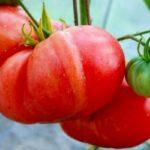 Description and characteristics of the Pink Giant tomato variety, yield and cultivation
 Description of the best tomato varieties for open ground and greenhouses in the Krasnodar region
 Description of varieties of sowing peas and cultivation, to which family they belong
 Description and characteristics of the sweetest tomato varieties for greenhouses and open ground
 The best grape varieties for growing in the Urals, planting and care rules in summer
 80 Best Eggplant Varieties for Different Regions with Descriptions and Characteristics
 Description of the large beef tomato Orange Giant and the growing features of the variety