The Snow Fairy Tale tomato is very popular among gardeners. This variety was developed in the Siberian Federal District of the Russian Federation, where it received its unusual name. It can be grown by both experienced gardeners and novices. Snow Fairy Tale tomatoes produce a bountiful harvest without requiring extensive care. They are ideal for outdoor cultivation and will thrive in colder regions of our country.
What is the Snow Fairy Tale tomato?
Characteristics and description of the variety:
- The plant is a determinate standard type. The bush is low-growing, reaching a maximum height of 50 cm.
- Shaping and pinching are not required.
- The stem is strong, so it can support many clusters without tying.
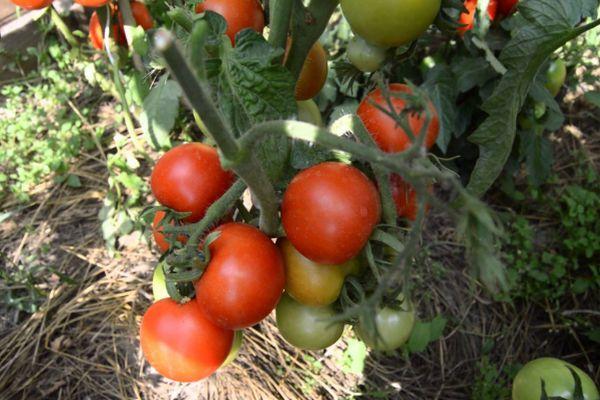
- A large number of leaves are formed, wrinkled in appearance, dark green in color.
- The first inflorescence appears after the 6th or 7th leaf has grown, and the subsequent ones - after 1 leaf.
- To increase the size of the fruit, you can pinch off a few flowers from the inflorescence, but this is not necessary.
- The entire growth and ripening cycle of tomatoes lasts 110-115 days.
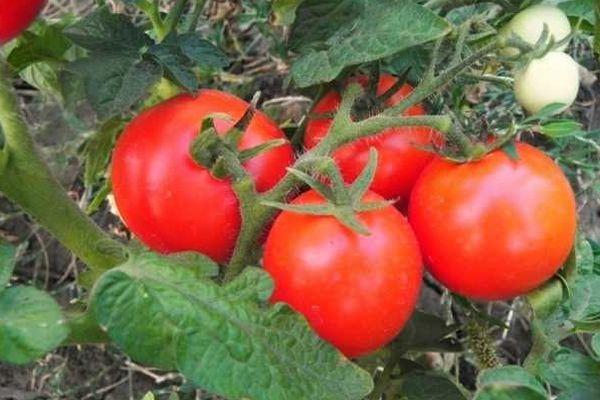
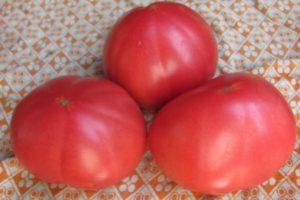
Snow Fairy Tale tomatoes are round and slightly flattened. They average 6-7 cm in diameter and weigh approximately 100 g. The skin is firm and rich red. They taste slightly tart, juicy, and soft.
They are eaten fresh, added to various dishes, marinated or used to make sauces.
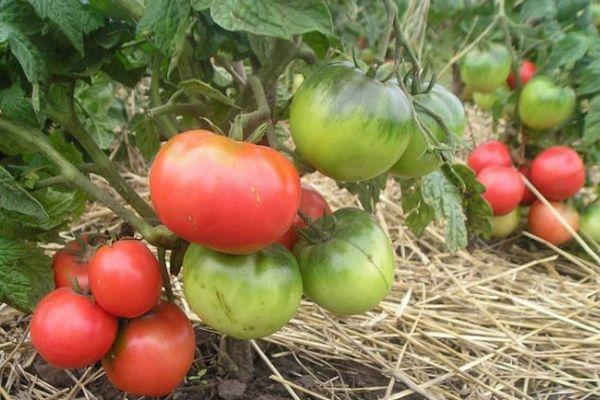
The variety has virtually no drawbacks. It retains all the beneficial properties inherent to this crop. The only downside is that nightshades are susceptible to certain diseases, but with proper care and preventative measures, this problem can be avoided.
They have more advantages:
- high yield;
- unpretentiousness;
- excellent taste;
- the ability to set under any conditions.
How to grow tomatoes?
Before choosing tomatoes, it's important to consider the growing conditions of the variety. No matter how high-quality the seeds are, it's recommended to disinfect them in a light solution of potassium permanganate. The same should be done with the soil in which the seeds will be planted. If desired, you can perform a simple test to check for freshness and suitability. To do this, place the seeds in a glass of salted water and leave for several hours; empty seeds will float to the surface.
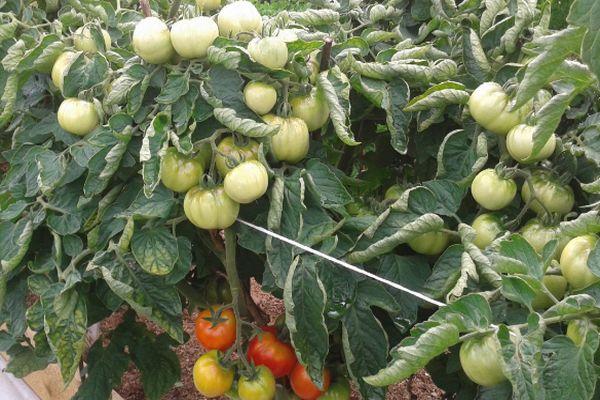
Any shallow container will do for sowing. Leave small spaces between the seeds, then make small holes in the soil and place a seed in each hole. Cover the hole with a thin layer of soil and, instead of watering, spray with a spray bottle. To prevent the soil from drying out and speed up germination, cover the container with plastic wrap and leave it at room temperature.
Once the seedlings emerge, the film is removed. For rapid growth, the plants require light and warmth. Once the first leaf appears, you can begin picking or transplanting the plants into smaller individual containers.
During the remaining time, you should monitor the seedlings for full growth and, if necessary, fertilize them, as the quality of the harvest largely depends on their condition. It's crucial to harden off the plants before planting them in their permanent location, periodically bringing them outdoors.
Planting in the ground begins after a few leaves have emerged; this is when the seedlings become more resilient and ready to adapt to their new location. Before planting, the soil is prepared by fertilizing it with organic and mineral nutrients. Remember that tomatoes don't like frequent watering, so you should base your planting on the soil condition.
Reading reviews from gardeners, one can note that tomato yields can be good, but the fruit sizes vary. Moreover, tomatoes grown in open ground are much smaller than their greenhouse-grown counterparts. Those who planted the Snow Fairy Tale say they will happily plant its seeds next season.
Related posts:
 Description of the best varieties of black tomatoes for open ground and greenhouses
 Is it possible to soak treated cucumber seeds before planting and how to do it correctly?
 Carrot care guidelines for outdoor cultivation to ensure a good harvest
 11 Best Recipes for Preserving Tomato Slices for Winter
 The best eggplant varieties for growing in a polycarbonate greenhouse: planting and care
 Delicious recipes for canned tomatoes with honey for the winter, preparation steps
 TOP 17 recipes for pickled sweet tomatoes for the winter
 Recipes for amazing tomatoes in jelly for the winter, with and without sterilization, you'll lick your fingers