
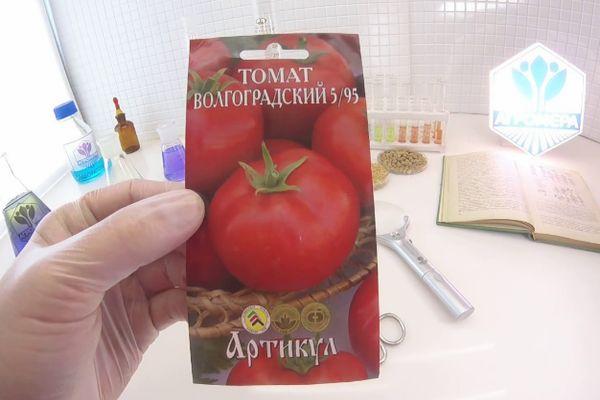
The Volgogradsky 5/95 tomato, described for its excellent flavor and high yield, is popular among vegetable growers. This variety was bred domestically, created through selection, and was zoned in 1953. The hybrid is still grown in home gardens today.
Benefits of Tomatoes
Volgograd tomatoes The Volgogradsky Pink and Volgogradsky 323 series encompass several varieties. Each variety has its own unique characteristics. The common characteristic of this series is high yield and resistance to typical nightshade diseases.
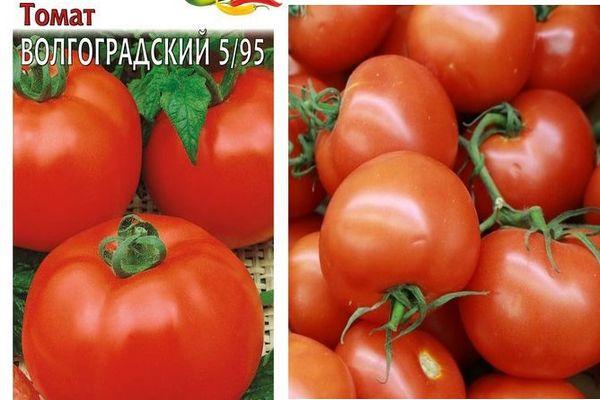
This mid-late-ripening variety begins bearing fruit 115-130 days after germination. It is suitable for both open-field and greenhouse cultivation. High yields are observed when grown in southern regions.
Determinate plants with a compact habit, reaching 70-100 cm in height. Standard bushes with medium-sized, light-green foliage provide unobstructed sunlight to the fruit. The trunk of the bush requires support.
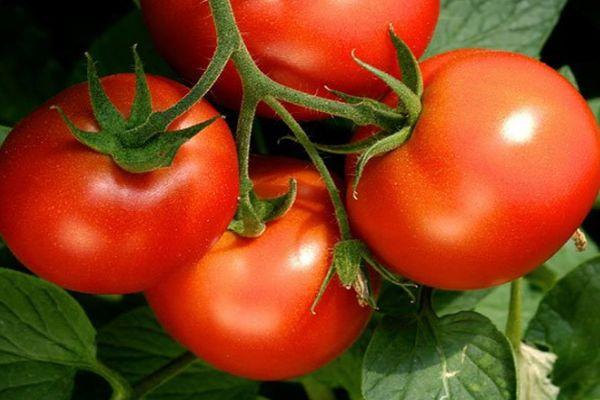
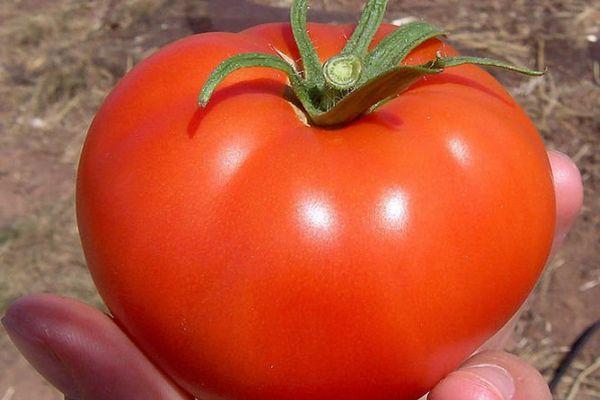
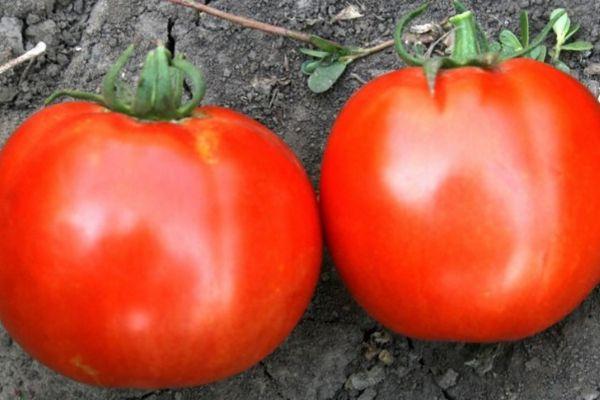
The first cluster forms at the level of the 5th or 6th leaf. The fruits of the Volgogradsky 595 variety are characterized by a flat, round shape and slight ribbing. When ripe, the tomatoes turn a scarlet hue.
Tomatoes weigh 90-150 g. When grown outdoors, a single bush can yield up to 3 kg. At a planting density of 3-4 plants per square meter, the yield is 12 kg. The fruits contain 4.5% dry matter and 3% sugars. A horizontal section reveals 5-6 chambers containing seeds.
When grown outdoors, the Volgogradsky 5 95 tomato variety adapts well to temperature fluctuations. Vegetable growers report that the tomatoes maintain their yield and ripen almost simultaneously, regardless of plant care.
The fruit's characteristics indicate its suitability for storage and transportation over long distances. In cooking, tomatoes are used for salads, canning, pickling, and processing into sauces, pastes, and juice.
Agricultural technology for growing tomatoes
Seeds for seedlings are sown in March. They are placed in containers with substrate at a depth of 1 cm. After generous watering with a spray bottle, the container is covered with glass or film to create the microclimate necessary for the rapid emergence of seedlings.
During the growing process, seedlings are provided with an optimal air temperature of +23…+25°C. Normal plant development requires additional lighting, which is provided by fluorescent lamps.

Periodic fertilization with complex fertilizers stimulates the development of the root system and a strong stem. Pruning is performed when the seedlings have two true leaves.
This procedure allows you to weed out weak plants and plant the seedlings in separate containers with growing medium. Peat pots can be used for this purpose, as they make it easy to transport the bushes to their permanent location.
Plants are planted in the ground at 45-50 days old, when the seedlings reach a height of 15-17 cm, with 9-10 leaves and a flower cluster formed. Planting should be done in soil that has warmed to 14°C after the end of the spring frost period.
When planting, consider crop rotation. The best predecessors for tomatoes are cabbage, carrots, cucumbers, zucchini, and parsley.
Compost and mineral fertilizers are added to the prepared holes. This tomato variety is not picky about soil composition, but responds well to complex fertilizers and growth stimulants throughout the season.
The plant requires moderate watering with warm water 2-3 times a week. In order to evenly distribute moisture and prevent the top layer of soil from drying out, mulch using black fiber.
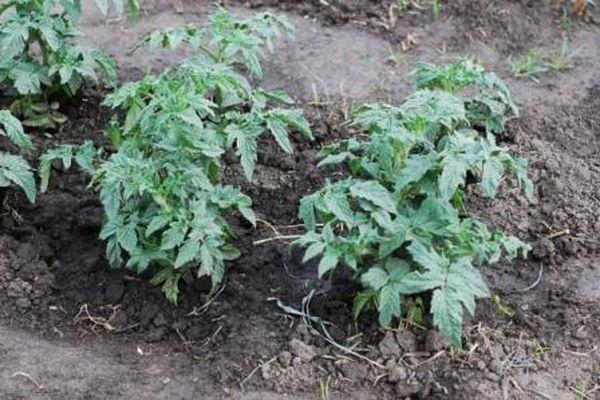
Using organic materials (straw, leaves, wood shavings) as mulch provides additional nutrition for plants. Moisture balance and air access to the root system can be ensured by loosening the soil and hilling the plants.
Despite the variety's resistance to fungal diseases, preventative measures are recommended. When growing the crop in greenhouses, periodic ventilation and proper lighting and watering are recommended.

Tomatoes are susceptible to aphids, a biological pest. To combat them, use folk remedies to treat the bushes. Slugs can be controlled by using lime and coarse sand to create barriers.
Crop care includes clearing growing weeds. Adherence to proper cultivation practices will eliminate the need for plant protection products.
Related posts:
 A review of the best tomato varieties for the Volgograd region
 The best eggplant varieties for growing in a polycarbonate greenhouse: planting and care
 Causes and treatment of eggplant pests and diseases, how to combat them at home
 Description of the Volgograd early-ripening tomato variety 323, cultivation and care features
 Growing and caring for hazelnuts in open ground, rules for planting hazelnuts
 The best tomato varieties for growing in the Vitebsk region
 When and how to properly transplant tomato seedlings, the best days in 2025
 The best grape varieties for growing in the Urals, planting and care rules in summer