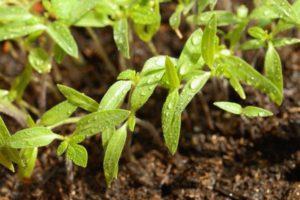
The "Star of Siberia" tomato is a first-generation hybrid. This variety is characterized by its ease of care, abundant fruit production, and the delicious taste of its ripe fruit.
Advantages of a hybrid
The Siberian tomato series is characterized by large fruits and resistance to low temperatures. Early-ripening varieties have been developed for harsh climates, beginning to bear fruit within three months.
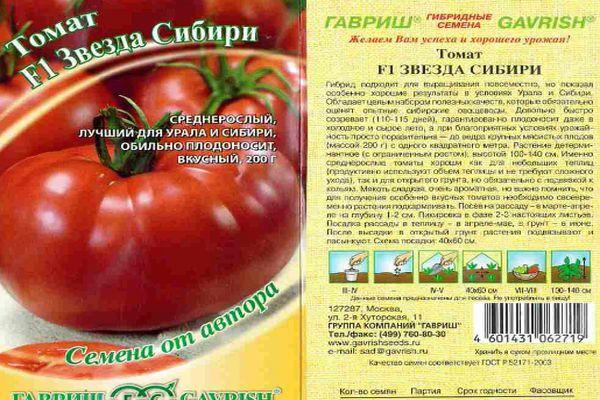
High tomato yields in cold regions are achieved through careful seed selection. Siberian tomatoes are resistant to various types of nightshade diseases and are adapted to short daylight hours.
Among the many tomato varieties, the Siberian Star f1 is distinguished by its average ripening time, requiring 110-115 days from germination to fruiting. The hybrid's best cultivation results were achieved under extreme conditions, which is where it got its name.
This hybrid is intended for cultivation in greenhouses and open ground. The characteristics and description of the variety classify it as a determinate plant. During the growing season, bushes grow to a height of 1–1.4 m. Plants should have 3–4 stems, and are trained by removing excess shoots.
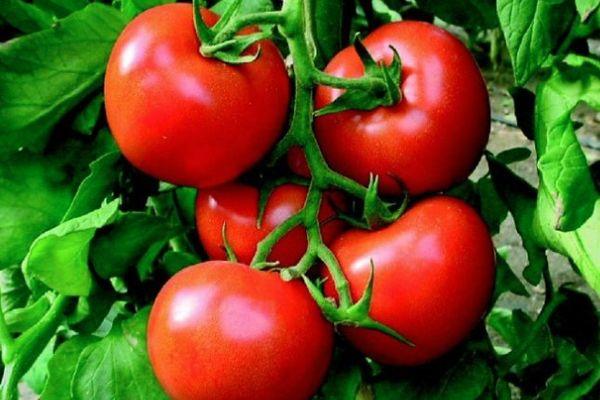
Description of fruits:
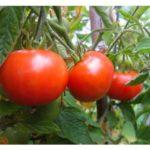
- Siberian Star tomatoes are round in shape and turn red when ripe.
- Fleshy fruits have good taste.
- Their weight reaches 150-200 g.
- Yield per bush is 4-5 kg.
In cooking, tomatoes are used fresh, in salads, processed, and canned. It is recommended to use tomatoes fully ripened on the vine. Their flavor is noticeably better than that of tomatoes ripened in a warm environment.
The fruits contain a huge amount of nutrients, vitamins, and microelements. They also contain vitamin E, a natural antioxidant.
Cultivation techniques
The Siberian Star hybrid is a hardy variety capable of producing fruit in both dry and rainy seasons. Its cultivation is no different from that of similar tomatoes. To harvest ripe fruits earlier, sow the seeds 60-65 days before the expected planting date.
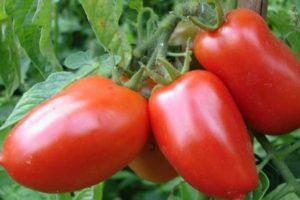

To ensure uniform seed germination, pre-treat the seeds with an aqueous solution of potassium permanganate and a growth stimulant. The seeds are placed in containers with prepared soil to a depth of 1 cm.
After watering with warm water using a spray bottle, cover the container with plastic wrap until the sprouts emerge. Providing strong seedlings requires following proper cultivation practices.
The seedlings are provided with adequate heat and light. Fluorescent lamps are recommended to extend daylight hours. When two true leaves have formed, transplant them into individual containers.
For this purpose, it is recommended to use peat pots, which can be used to plant the seedlings in the soil. During the seedling formation period, root fertilizer is applied.
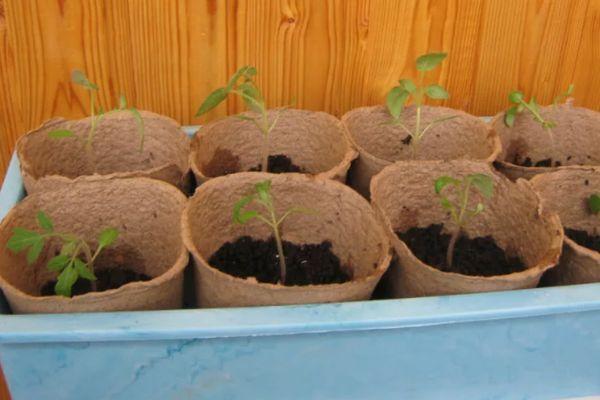
When planting in a permanent location, maintain a distance of 40 cm between bushes and 60 cm between rows. This arrangement ensures easy access to each bush.
When cultivating this hybrid, the stems need to be tied to a support to keep the tomatoes off the ground. During growth and fruiting, tomatoes require additional nutrition.
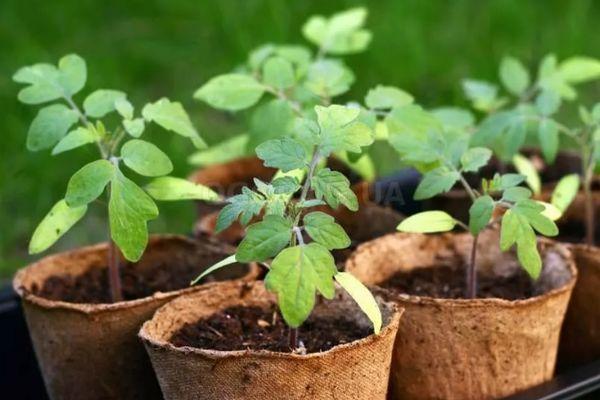
Therefore, the application of mineral and organic fertilizers according to the manufacturer’s schedule increases yields and improves taste. During the period of flower stalk formation, stop applying fertilizer so that the bushes do not intensively increase green mass.
Caring for the plant involves periodic loosening of the soil and timely watering. To ensure a balance of moisture and air around the root system, mulching with last year's grass or a special black fiber is recommended.
Related posts:
 What varieties of tomatoes are best to plant in a polycarbonate greenhouse?
 Description of the best varieties of black tomatoes for open ground and greenhouses
 What is the best way to feed tomato seedlings to make them plump?
 Description of the best varieties of cluster tomatoes and growing rules
 How to grow tomatoes in Siberia and choose the right variety, planting, and care
 Description and characteristics of the 50 best raspberry varieties for Siberia
 The best and most productive tomato varieties for greenhouse cultivation in the Urals, with descriptions
 Description of the best tomato varieties for open ground in the central zone