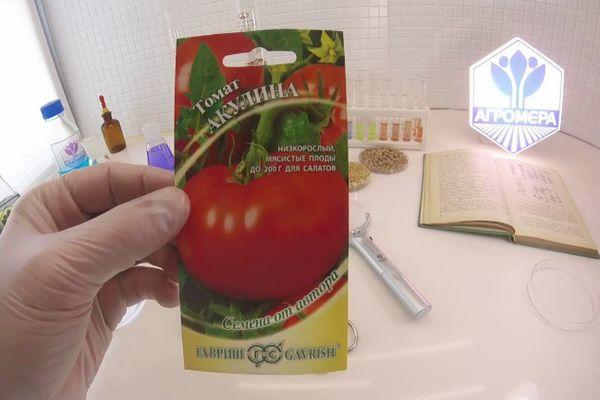
The Akulina tomato, the characteristics and description of which are provided below, was developed by breeders for cultivation in greenhouses and open fields. This variety boasts excellent flavor and withstands long-distance transportation. Akulina tomatoes can be stored for up to 20 days in a cool place. They are used fresh, and are used to make sauces, juices, ketchups, and tomato paste. The fruits are also canned for winter storage and pickled.
Technical data of the plant and its fruits
The described tomato variety has the following characteristics:
- Large berries appear on the branches of the plant 110-120 days after the development of the first shoots.
- The height of Akulina bushes is 0.6-0.8 m, so they do not need to be tied to supports.
- The plant's leaves are small, typical tomato shape, and green in color.
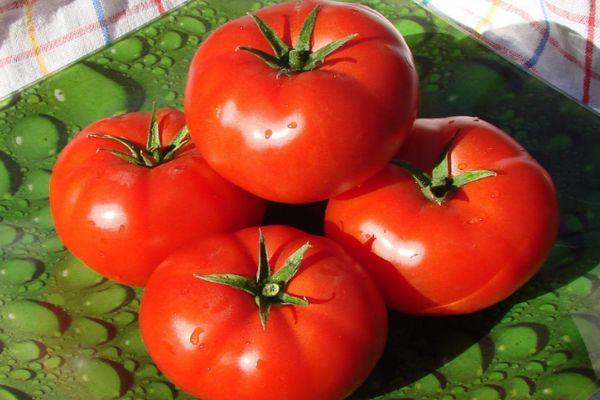
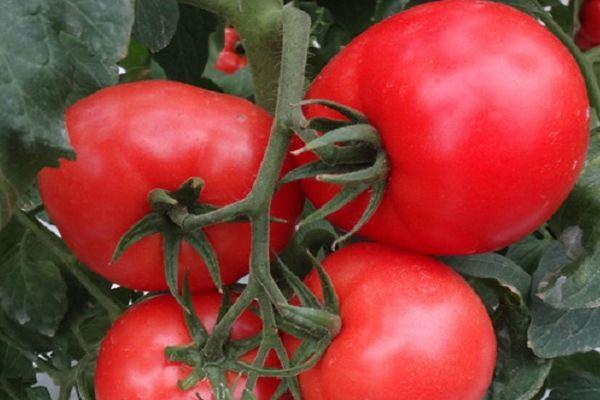
- Tomato fruits resemble flattened spheres. They are glossy, richly red, and have thick skin.
- The berries of this variety have an average weight of 0.15-0.2 kg, but some gardeners manage to get the first harvest with berries weighing up to 0.35 kg.
- Akulina is resistant to diseases such as verticillium wilt and fusarium wilt.
Reviews from gardeners growing this variety indicate that, when all agricultural practices are followed, tomato yields range from 3.6 to 5.9 kg per plant. To achieve a high yield, breeders advise gardeners to plant Akulina tomatoes in soil previously occupied by zucchini, cucumbers, cauliflower, various greens, or carrots.
Akulina is grown almost everywhere in Russia. This tomato ripens in open ground in the southern regions of the country. In central Russia, growing Akulina may require plastic greenhouses or unheated hotbeds. In the northern regions, it should be planted in heated greenhouse blocks.

Growing the described plant in a private garden
After purchasing the seeds and treating them with potassium permanganate, they are sown in boxes filled with tomato soil (available at specialty stores). The seeds are planted at a depth of 10-15 mm, after incorporating organic fertilizers (manure, peat) into the soil.
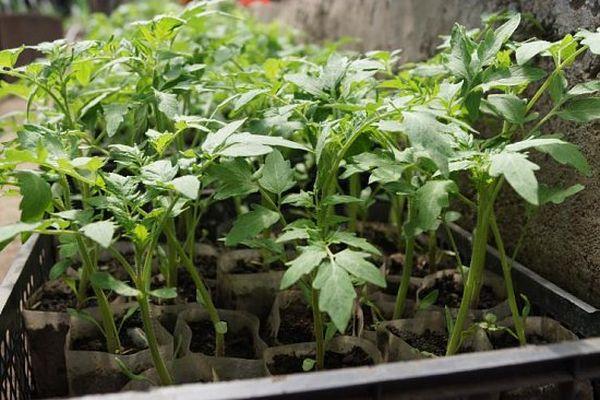
After the seedlings have sprouted, they are pricked out when they have 2-3 leaves. Water the seedlings with warm water. When the plants are 55-60 days old, they are transferred to their permanent soil, after hardening them off for 7-10 days.
No more than 3-4 bushes are planted per 1 m² of bed. The planting format is 0.5 x 0.6 m. Nitrogen and organic fertilizers are added to the soil. The next feeding of the plants is done after the ovaries have set (using potassium nitrate). Another feeding is done after the first fruits have developed. For this, complex mineral fertilizers (containing phosphorus and potassium) and organic matter are used.
Water the plants regularly with warm water after sunset or early in the morning. Twice a week is usually sufficient. However, if the weather is hot, it is recommended to water the tomatoes daily, using a moderate amount of water.
Regular loosening of the beds is essential, as this prevents the development of various garden pest larvae on plant roots. Loosening the soil makes it easier for oxygen to penetrate the plant's root system.
It's recommended to weed the beds once or twice a week. Failure to do so can result in fungal infections.
Breeders recommend preventative measures against various tomato diseases. To do this, the bushes are treated with chemicals or a soap solution. To kill any garden pests that have infiltrated the plot, chemical poisons should be used. Slugs are controlled by adding ground ash to the soil.
Related posts:
 Rules for growing tomatoes in open ground, choosing a variety, planting and care
 The benefits and harms of ginger for the female body, medicinal properties and contraindications
 What fertilizers and when to use for feeding tomatoes in a greenhouse
 What is the best way to feed tomato seedlings to make them plump?
 How to prepare tomato seeds for planting seedlings
 The best grape varieties for growing in the Urals, planting and care rules in summer
 The benefits and contraindications of lentils for the human body
 Description and characteristics of the best seeds of pea varieties and types
Take a look Also