
The Long Keeper tomato can withstand long storage. It was developed by Soviet breeders in the late 20th century. The variety is listed in the State Register of Vegetable Crops, but is grown in small quantities. Long Keeper tomatoes can be grown outdoors in southern Russia.
In central Russia and Siberia, greenhouses and hotbeds are recommended for growing this hybrid. The fruits are harvested at technical maturity and then ripen for 3-4 weeks. This tomato stores well indoors until mid-winter and in a cellar until spring. It is suitable for salads and winter canning.
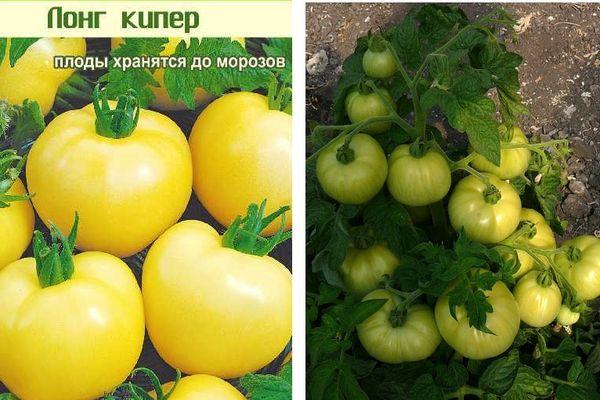
Technical data of the plant
The characteristics and description of the variety are as follows:
- The first fruits of the hybrid are obtained 130-135 days after emergence.
- The bushes grow to 140-150 cm. The leaves on the stem are medium-sized and green with a noticeable metallic sheen.
- Eight to ten clusters form on the central stem of the tomato plant. The first cluster appears above the seventh leaf, and the others develop higher, in increments after every third leaf.
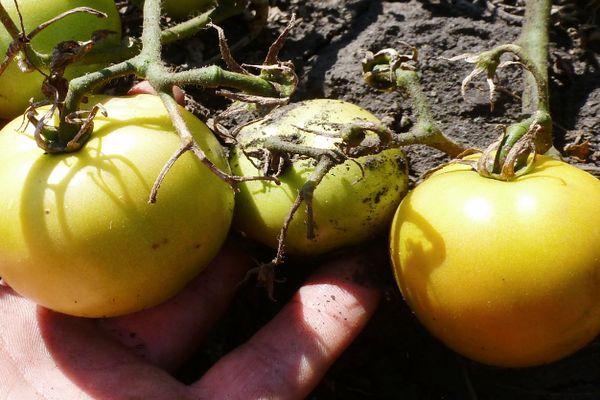
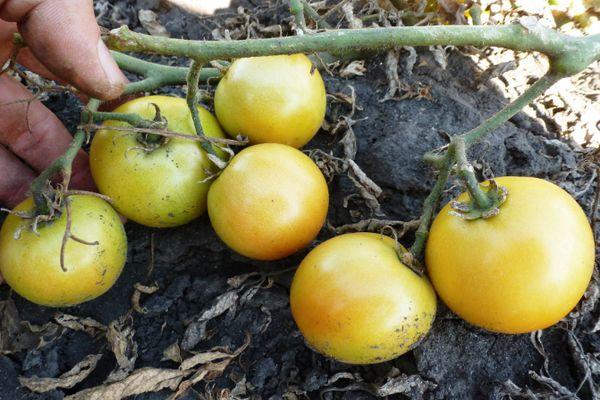
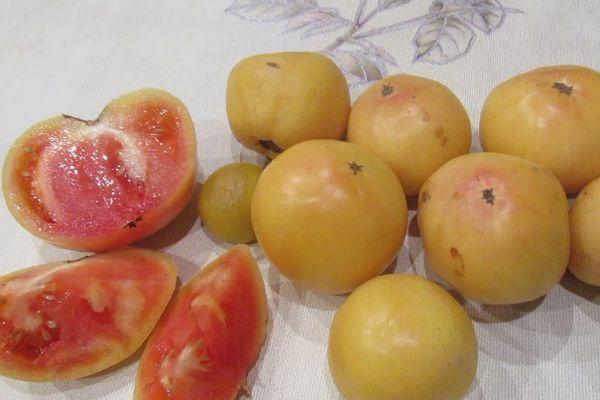
- The fruits are covered with white skin at harvest. A month after harvest, the berries turn pink and orange.
- The fruit is spherical in shape. Berries weigh between 125 and 200 g. Greenhouse cultivation can yield berries weighing up to 0.3-0.35 kg.
The variety yields between 4 and 6 kg per bush. Optimal yield is achieved when planting 3-4 bushes per square meter. This tomato can be transported over any distance.
Farmers consider the need for supports to support the stems and the constant removal of side shoots a drawback of this variety. The plant develops into a bush with 1-2 stems. At the densest planting of 6 bushes per square meter, the bushes are trained into a single stem, but side shoots must be removed before fruiting ends. The plant is immune to diseases such as fusarium, cladosporiosis, and tobacco mosaic virus.

Obtaining hybrid seedlings
After disinfection with hydrogen peroxide, seeds can be sown in homemade soil consisting of 2 parts garden soil, the same amount of humus and 1 part sand.
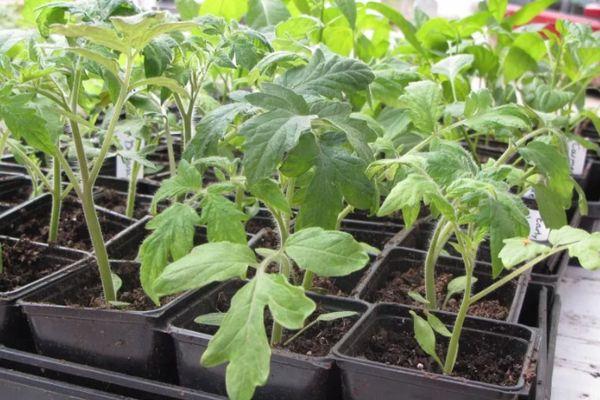
Sowing takes place in the first half of March. Seeds are placed in boxes at a depth of 1-2 cm. Manure is added to the soil before sowing. Watering is done with a watering can.
The seedlings are germinated in a room where the temperature is maintained at +24… +25 °C.
When seedlings emerge (approximately 5-7 days later), the seedling trays are transferred to a well-lit room where the temperature is maintained at around 22°C. At night, the temperature is reduced by 5-6 degrees. Once the seedlings have developed 2-3 leaves, the plants are pricked out.
When the young seedlings are 40-50 days old, they are transplanted into permanent beds. Before sowing, it is recommended to thoroughly loosen the soil and add mineral nitrogen fertilizers and organic matter. The beds are disinfected with a weak solution of potassium permanganate. Holes 8-10 cm deep are dug in the soil. Young bushes are planted in these holes. The planting format is 0.5 x 0.5 m or 0.3 x 0.5 m.
Bush care and pest control
Water tomatoes moderately twice a week. Allow the water to warm in the sun. Water the plants in the evening or early morning.
Loosening the beds is done to ensure fresh air reaches the hybrid's roots. It is recommended to do this once a week.
Weeding the beds helps eliminate weeds that can infect tomato plants with late blight and other diseases. Weed the beds twice every 7 days.
To protect against various diseases, commercially available fungal and viral killers are used. Plant breeders recommend spraying tomato plants with Fitosporin four times, with a 2-3 day interval between each treatment.
If symptoms of any disease appear on the leaves of the hybrid, the plantings should be sprayed with copper sulfate.
If a farmer notices pests such as aphids or Colorado potato beetles thriving in their garden, it's recommended to eliminate the threat by using chemicals that kill various insects. If industrial pesticides are unavailable, a soap solution or copper sulfate can be used to treat the bushes.

If a gardener notices slugs, they can be repelled by adding wood ash to the soil around the tomato plant's roots. If necessary, slugs can be killed with an ammonia solution.
Tomatoes are fertilized four times. The first time, plants are given nitrogen and organic fertilizers to accelerate growth. After ovary development, tomatoes are fed with potassium nitrate and nitrogen mixtures. When fruiting, the plants are fed with complex mineral fertilizers containing all the nutrients tomatoes need (nitrogen, potassium, and phosphorus).
Related posts:
 The best eggplant varieties for growing in a polycarbonate greenhouse: planting and care
 When and how to properly transplant tomato seedlings, the best days in 2025
 Methods for planting and propagating cherries at home
 How to properly plant peas in a greenhouse and open ground
 Description of the best varieties of black tomatoes for open ground and greenhouses
 Description of varieties of sowing peas and cultivation, to which family they belong
 How to propagate and grow peas, cultivation technology, and care in open ground
 The best grape varieties for growing in the Urals, planting and care rules in summer