
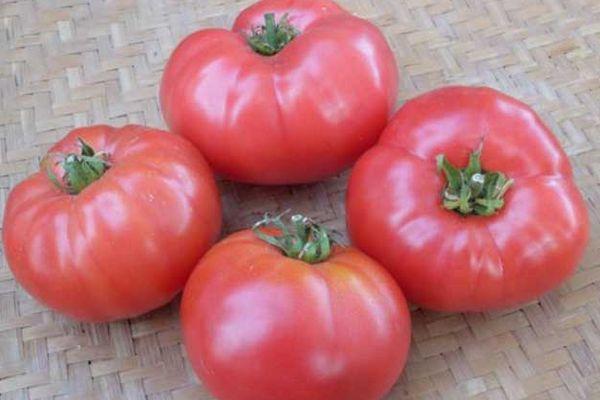
The Honey tomato is one of the subspecies developed specifically for fresh and cooked consumption. The large size of the fruit prevents it from being preserved whole, but it makes an excellent addition to sautéed or mixed salads. This variety was developed by a Russian plant breeding laboratory specifically for the short summers of Siberia and the Far East in 2004. It was registered with the Russian Federal Service for State Registration, Cadastre and Cartography in 2007 and is now successfully conquering the agricultural markets in Russia and neighboring countries.
Growing conditions and varietal parameters
Although this variety was developed in Barnaul specifically for cultivation in greenhouses and hotbeds, it can be planted in virtually any region. It has become particularly successful in open ground in the southern and central regions.

The characteristics and description of the variety demonstrate:
- unpretentiousness and absence of special care techniques;
- the ability to easily tolerate temporary cold spells and high humidity;
- resistance to diseases and harmful effects of insects;
- the possibility of long-term storage in the absence of sources of decay.
The Honey tomato variety is a determinate, mid-season variety. It takes approximately 110 days from planting the seedlings until the first fruits ripen.
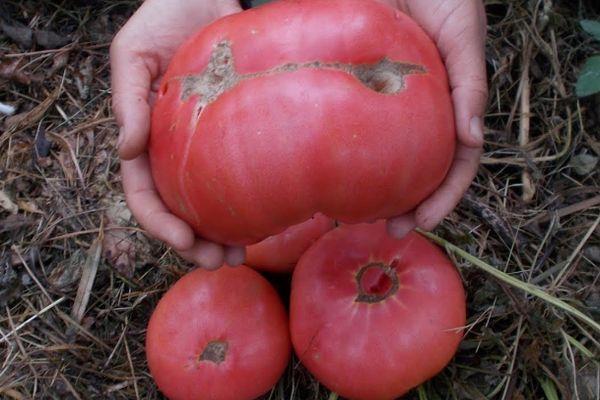
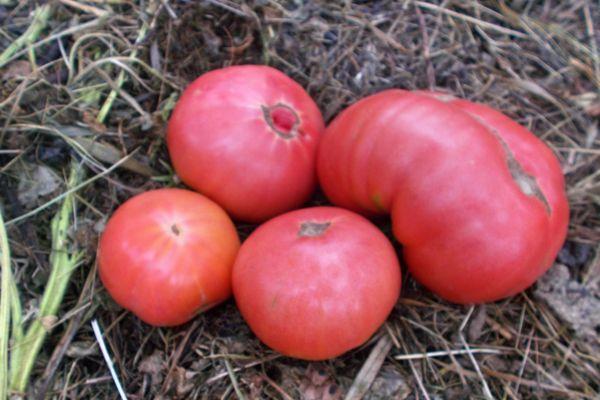
The color is pink. Each tomato weighs 400 g, but can reach up to 500 g. The number of chambers ranges from 5 to 6, with a dry matter content of 5%. The bush reaches a height of 1.5 m, requiring support with stakes or a horizontal trellis. Tomatoes, picked green, ripen well in a dry, darkened room.
If proper agricultural practices are followed, 3 to 4 kg can be harvested from a single bush. Those who planted no more than 3-4 seedlings per square meter received up to 16 kg of a full harvest. Dense plantings reduce fruit yields due to insufficient sunlight reaching the plants.
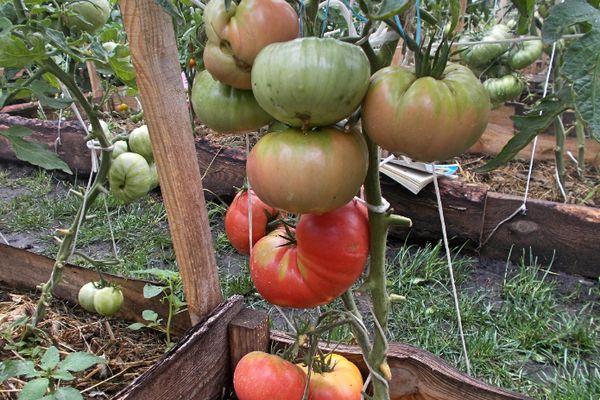
Honey tomatoes should be trained with one or two stems. This minimal number of branches ensures good gas exchange. Air doesn't stagnate in the dense foliage. This reduces the risk of fungal diseases, especially during rainy summers. Greenhouses should be well ventilated, avoiding excessive humidity. Since the plants are tall and the fruits are large and massive, the stems need to be tied very tightly.
Gardeners who have grown this variety note its tendency to break stems. During the growing season, the vegetable responds well to timely fertilization. Organic nutrients should always outweigh mineral nutrients in the overall fertilizer mix. These nutrients should not be ignored, as is often the case with natural gardeners. Potassium and phosphorus are essential for healthy plant growth.
Rules for transplanting seedlings and caring for them
Honey tomato seeds should be sown in late February or early March. The prepared soil should be light, fertilized, and moist. The seeds should be planted no more than 1-1.5 cm deep. The first shoots appear 7-10 days after sowing. When two true leaves appear, transplant or thin out the plants, removing the least viable shoots.
During the seedling growth period, 1-2 applications of liquid organic and mineral fertilizers are necessary. It's best to alternate them. About two weeks before planting outdoors, the seedlings should be hardened off. This significantly boosts their immunity, which impacts overall yield. Initially, the plants are exposed to fresh (but not frosty) air for a few minutes, and then for a few hours on the 10th day.
If signs of disease due to improper care appear on tomato plants, reduce the amount of nitrogen fertilizer and irrigation intensity. These diseases are caused by fungal growth due to high humidity. Ensuring good ventilation can be effective.
Vegetables with a pleasant aroma also attract various insects. Pests most often attack them during extreme weather conditions, when the immune system is weakened. In the Moscow region and slightly further north, the main enemies of tomatoes are melon aphids and thrips.
In the south the plant is attacked by:
- codling moths;
- white butterflies;
- sawflies;
- nightshade leaf miner.
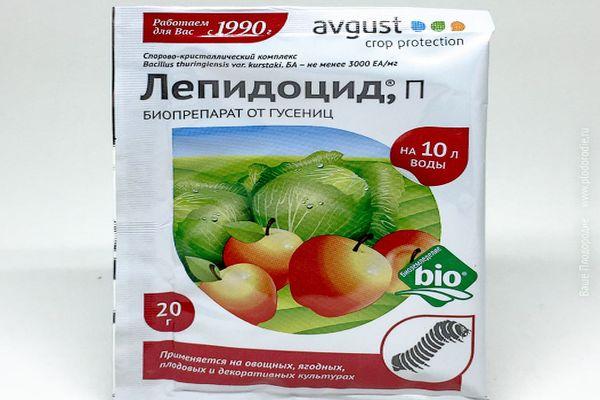
To combat these parasites, chemical agents such as Lepidocide or Zubr are used.
Take a look Also

The Honey tomato, whose flavor will impress any gourmet, has won the hearts of many amateur gardeners and farmers engaged in mass production of agricultural produce. The ribbed, large, honey-flavored tomatoes have become truly popular among consumers. Reviews from most growers indicate that this variety thrives on sunlight. And the more sunlight the fruits receive, the sweeter they become.
Related posts:
 Description of the Honey Spas tomato variety, cultivation and care features
 Description of the large-fruited tomato Honey Giant and growing seedlings
 Description of the tomato King Honey F1 and characteristics of the hybrid variety
 50 Best Pumpkin Varieties with Descriptions and Characteristics for Outdoor Planting
 Description of 30 varieties and types of Muscat grapes, planting, cultivation and care
 Beginner's Guide to Growing Grapes in Open Ground in Central Russia
 The best grape varieties for growing in the Urals, planting and care rules in summer
 Description and characteristics of the 60 best sea buckthorn varieties, how to choose depending on the region