
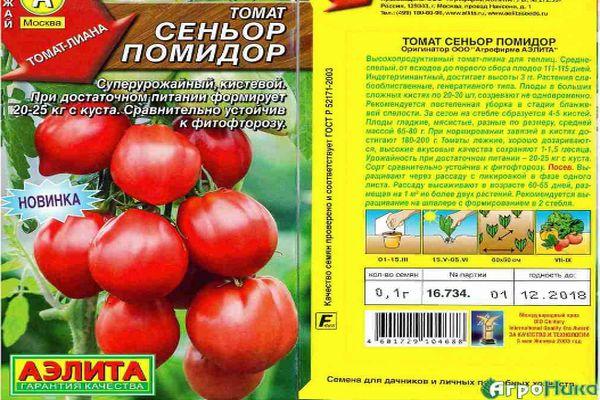
The Signor tomato is a branched, climbing plant resembling a vine. The variety was introduced to Russia during the reign of Catherine the Great, who supported American independence. It was from there that the Russian ambassador brought back tomato seeds in 1780. People slowly became accustomed to tomatoes until they finally became a common food item in the late 19th century.
General characteristics of the vegetable
This plant belongs to the indeterminate group, with early ripening fruits. The bush can reach 3 meters in height. This characteristic makes it suitable for growing tomatoes in large greenhouse complexes. The first harvest occurs approximately 3.5-4 months after planting the seeds in the ground.
To fully describe this variety, it's important to mention its suitability for cultivation not only in protected areas (greenhouses, hotbeds). It also thrives in open spaces. The vine produces clusters of tomatoes, each capable of bearing up to 20. The fruits are medium-sized, typically symmetrical and rounded in shape, with a rich, light red color, a fleshy texture, and a sweet, slightly tart flavor.

A single plant can produce up to 26 kg of ripe tomatoes. Ripening on a single branch is uneven. One fruit may be green, while another nearby is already ripe. Tomato varieties grown in greenhouses yield an earlier harvest. This requires adherence to all agricultural practices and requirements.
Before planting seeds for seedlings, they must be prepared. This is done by disinfecting them with a weak solution of potassium permanganate. The seeds are placed in trays with fertilized, moist soil. The containers should be kept in a warm, well-lit area. Seedlings will emerge within 7 to 10 days.

Advantages of the variety
In addition to reducing bad cholesterol and generally optimizing digestive function, tomatoes have a positive effect on nervous system function and strengthen the heart. Tomatoes contain small amounts of serotonin, the "happiness hormone." It helps counteract depression and stress, and improves mood. Some scientists suggest that people who enjoy tomatoes have a significantly lower risk of developing cancer.

Agrotechnical characteristics of tomato:
- ability to bear fruit for a long time;
- good taste;
- high yield;
- ease of processing;
- long shelf life;
- possibility of transportation over long distances.
Senor tomatoes are eaten raw or canned. Their high sugar and natural acid content allows for reduced use of synthetic preservatives during processing. Therefore, even those with gastrointestinal issues can consume pickled tomatoes.

Plant care
For tomatoes, like any other agricultural crop, the condition of the soil is very important, namely:
- soil type;
- pH level;
- presence of mineral and organic substances;
- degree of hydration.
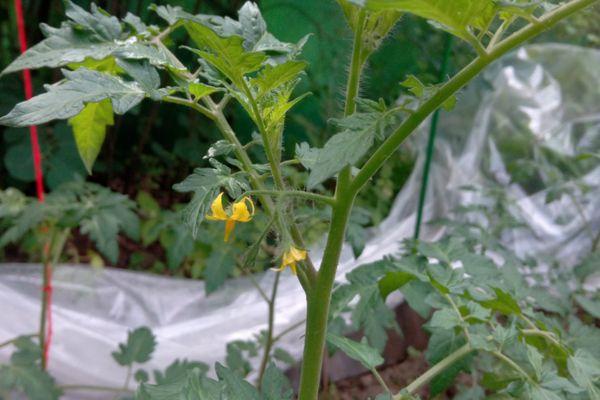
Tomatoes prefer light soils with good gas exchange and a low acidity. It's advisable to mulch the soil with chopped straw. Adding compost will increase yields. Pure manure hinders the plant's absorption of nutrients.
Reviews from experts and ordinary gardeners indicate that excessive moisture in tomatoes grown on black and clay soils leads to the development of fungal diseases.
Two months after planting the seeds, the seedlings are ready to be transplanted to their permanent fruiting location. In open ground, this is usually done when there is no risk of night frost. Two weeks before transplanting, the seedlings must undergo a hardening-off procedure. This involves gradually moving the seedlings outdoors.
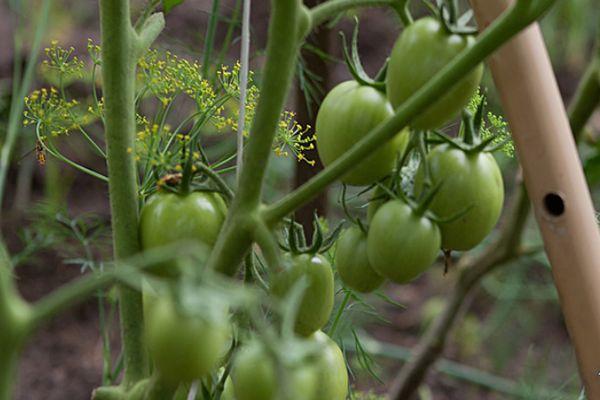
After transplanting tomatoes into prepared holes with fertilized soil, the following procedures must be carried out:
- weed the beds in a timely manner, eradicating weeds;
- loosen the soil regularly;
- Water the plant on average 1-2 times a week.

The water should be warm and settled in a special container. Watering should be generous. To increase the yield of the Signor tomato, feed it with solutions of mullein, chicken manure, or fertilizers of the same name. This should be done no more than once every 20 days.
Related posts:
 What varieties of tomatoes are best to plant in a polycarbonate greenhouse?
 Description of rare collectible tomato varieties from Valentina Redko, new for 2025
 How many days after sowing do tomato seeds germinate? Germination time and conditions
 How to properly plant peas in a greenhouse and open ground
 Description of the tomato variety Petrushka Ogorodnik, its characteristics and yield
 How to propagate and grow peas, cultivation technology, and care in open ground
 Description of varieties of sowing peas and cultivation, to which family they belong
 The best grape varieties for growing in the Urals, planting and care rules in summer