
Many gardeners have already tried growing the Petrushka tomato in their gardens. This variety's popularity is largely due to its undemanding growing conditions, resistance to most tomato diseases, and high yields with minimal labor and time investment. To ensure a large harvest, it's recommended to learn about the specifics of growing this tomato in advance.
Description of the variety
The gardener classifies the Petrushka tomato as a hybrid. It can be grown in open beds or greenhouses. Yields are higher when planted outdoors in warm climates, as the plant doesn't suffer from a lack of air and sunlight. The plant does not require pinching, which significantly simplifies the care of the bushes during the ripening period of vegetables.
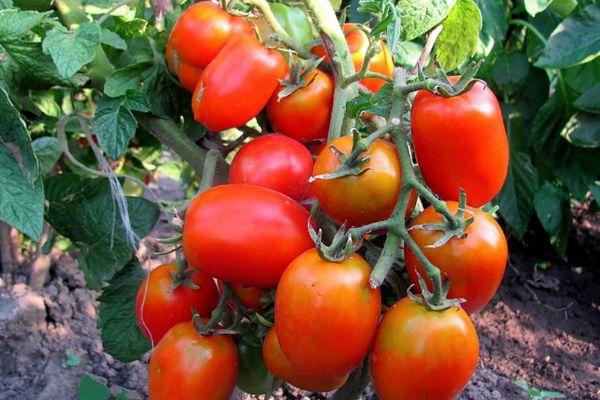
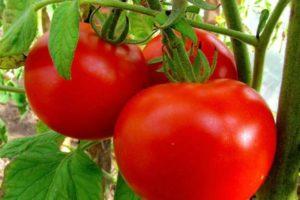
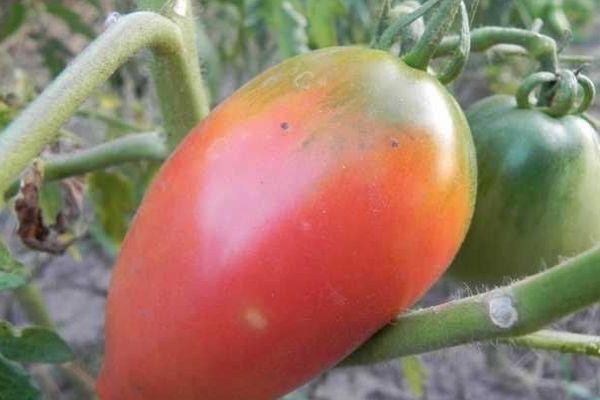
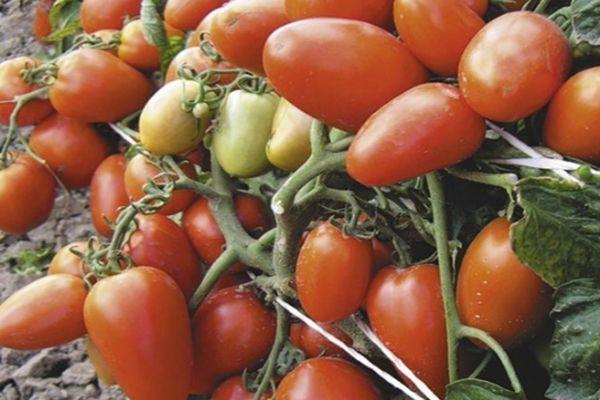
Petrushka bushes are short, with shoots reaching an average height of 60 cm. Despite this height, the plant produces good yields. The fruits are a rich scarlet color and have an elongated, cylindrical shape.
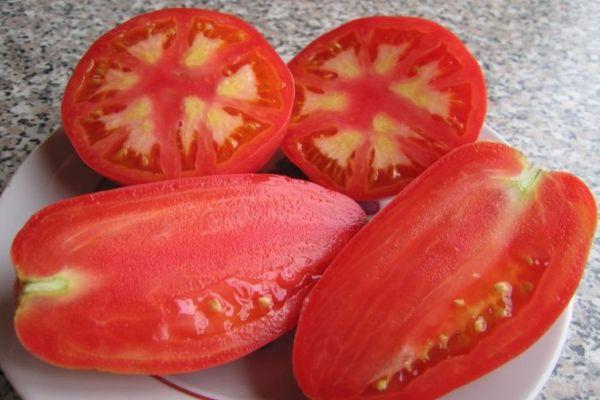
Ripe tomatoes weigh between 200 and 250 grams. By controlling shoot growth, tomatoes weighing up to 300 grams are possible. The flesh is firm, juicy, and sweet. A single bush yields an average of 4 to 6 kg of tomatoes. A strong feature of this variety is its long fruiting period; the harvest can last for 2 to 4 months.
Growing
Growing tomatoes is primarily done by starting seedlings from seeds. Planting begins in March. Nutritious, loose soil is essential for tomato plants; only then will the seedlings germinate and grow well. To make your own nutritious soil, mix equal parts soil, peat, and humus. The seeds should not be planted too deeply, and after planting, it is recommended to cover the containers with plastic film until the seedlings germinate. Pricking out is done after 2 or 3 true leaves have emerged.
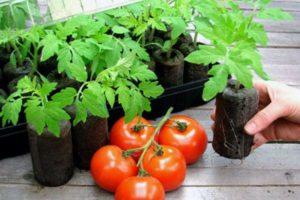
Petrushka is one of the few tomato varieties that can be grown from cuttings. This method involves using side shoots or the upper portion of the shoot. To propagate, a portion of the plant is placed in water for 10 days or directly planted in moist soil. This ability to propagate from plant parts allows for a large number of plants to be grown from minimal seedlings.
Reviews from gardeners indicate the possibility of rooting plants in this way and growing them at home.
Tomato bushes are transferred to their permanent growing site in May after the onset of warm weather. Two weeks before this work, hardening off the seedlings begins, providing the plants with an air supply and lowering the temperature to +13 C.
Care Features
The plant requires little care; gardeners only need to moisten the soil regularly, remove weeds and grass, and loosen the soil. To prevent overcrowding, remove excess shoots if necessary. In most cases, the plant is trained into two or three main stems.
When planting seedlings, it's recommended to add 1 tablespoon of nitrophoska or phosphate to the hole. This will improve the soil's nutritional value. After 10 days, repeat the process, adding the substance back into the soil. A yeast-based solution works well as a plant food. Avoid overusing nitrogen fertilizers, as this will increase foliage production and reduce tomato yield.
Advantages and disadvantages
Many gardeners consider Petrusha's low maintenance requirements combined with its excellent yield of delicious fruit to be a key advantage. The plant stands out from other tomato varieties with the following qualities:
- no requirement to pinch off bushes;
- long-lasting fruiting period;
- the ability to go for a long time without watering;
- resistance to a large number of diseases;
- versatility of cultivation and application;
- good tolerance to difficult transportation conditions;
- ability to be stored for a long time.
This tomato variety can be eaten fresh, in salads, and as an ingredient in first and second courses. It can also be used to make marinades, lecho, tomato paste, and tomato juice.
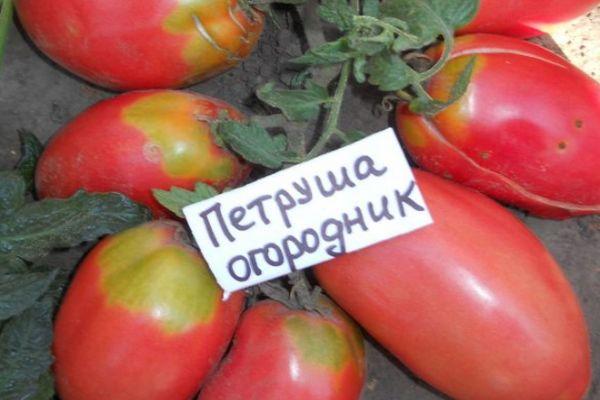
However, achieving good tomato yields is only possible if the proper nightshade growing practices are followed. Improper watering and insufficient aeration in the garden negatively impact plant growth and can lead to disease.
Pests and diseases
Tomatoes are resistant to the main tomato diseases. The main risks are the possibility of infection by fungi such as late blight and root rot. Prevention can be achieved by:
- compliance with the bush planting scheme;
- regulation of green mass formation;
- moderation in watering;
- timely application of mineral complexes;
- periodic ventilation.
It is recommended to periodically spray the plant with Fitosporin, Zaslon, or Barrier. Folk remedies that are effective against tomato diseases include whey and an infusion of onion or garlic peels. To prevent rot, enrich the soil with ash, dolomite flour, and crushed eggshells.
Harvesting and storage
Harvesting begins as the fruit ripens. It is recommended to promptly remove ripe fruit from the branches, which will increase yields and extend the harvest period. Vegetables are used fresh for eating, as ingredients in recipes, or as raw materials for winter preserves.
Gardeners' reviews
Anastasia, 51 years old:
"I planted parsley for the first time last year, and the seeds sprouted evenly. As an experiment, I planted some of the plants in a greenhouse, while others were placed in open beds. The difference was immediately noticeable. The greenhouse plants remained dormant for a long time, reluctant to grow, while the outdoor ones immediately took off and quickly began forming flower heads. The tomato yield outdoors was significantly higher. The variety description fully matched the manufacturer's promises."
Rimma Feodorovna, 49 years old:
"Tomatoes have always been my weakness; I plant a lot and love variety. I try not to choose varieties that are easy to care for and grow. Hybrid tomato varieties are the leaders in this regard. 'Petrushka' has taken root in my beds and has been producing fruitful tomatoes for the past few years. The plant doesn't need side shoots; the bushes tolerate stress and can withstand low water levels. The tomatoes are juicy, fleshy, and hold their shape when canned, without the skin splitting."
Related posts:
 The best eggplant varieties for growing in a polycarbonate greenhouse: planting and care
 Description and rules for growing Solaris grapes
 Methods for planting and propagating cherries at home
 The best grape varieties for growing in the Urals, planting and care rules in summer
 How to properly plant peas in a greenhouse and open ground
 Growing and caring for hazelnuts in open ground, rules for planting hazelnuts
 Description of rare collectible tomato varieties from Valentina Redko, new for 2025
 Description of 30 varieties and types of Muscat grapes, planting, cultivation and care