
- How many days does it take for tomato seedlings to appear at home?
- Pre-processed
- Unprocessed
- What determines the rate of seed germination?
- Quality of planting material
- What kind of soil is needed?
- Germination conditions
- Temperature: Tomato seed germination rate chart at different temperatures
- Humidity
- Lighting
- Preparing the seeds
- What you need to know about choosing seeds
- Checking the expiration date
- The difference between good and bad seed
- How to check the germination of tomato seeds
- How to treat seeds before planting
- Disinfection
- Hardening
- Soak
- Germination
- Why aren't tomatoes sprouting?
- Seed infestation
- Dense soil
- Sowing too deep
- Low temperature
- Increased toxicity levels
The question of exactly how many days it takes for tomato seeds to germinate is truly important. It determines the timing of planting seedlings in the ground and the gardener's subsequent actions. The end result—healthy, juicy tomatoes—also depends on this indicator. The time it takes for a plant to develop from seed varies by variety, but it is possible to predict. Knowing the variety's characteristics and the planting date makes it easy to predict germination with a minimum error of a couple of days.
How many days does it take for tomato seedlings to appear at home?
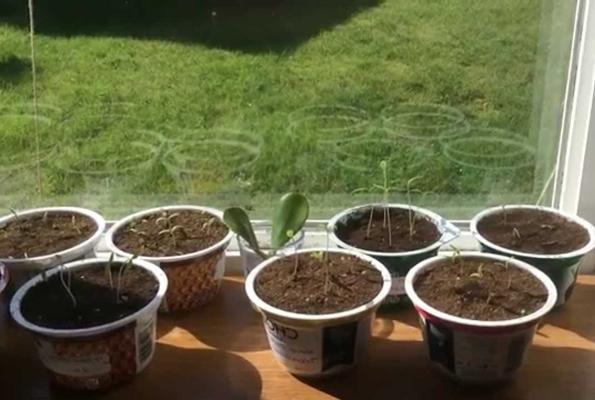
How and when sown tomatoes will germinate depends on many factors. These include the condition of the seeds, the variety, and the nutrient content of the soil. Humidity, light, and air and soil temperature are also important. On average, it takes 6-10 days. Seed treatment also affects germination.
The following circumstances are identified that, to varying degrees, influence the germination of tomatoes:
- Temperature regime. Empirically, 21 degrees Celsius has been found to be the optimal temperature. A temperature lower than this can delay germination, forcing them to wait for what they perceive as better times.
- Waterlogged soil. The second most important criterion. This relates to the soil's permeability to the oxygen needed by seeds. High moisture levels are detrimental to embryos, causing them to suffocate.
- Incorrect planting depth. Trying to overcome extra centimeters of soil, the germinating seed wastes precious hours and minutes. The "correct" depth is approximately three times the seed's height. Sometimes excessive planting occurs accidentally, due to watering the soil after sowing (instead of before), crushing the seed into the soil.
- Focus on standardized deadlines, clearly linked to the crop, variety, and climate zone.
- An error in seedling spacing can also delay germination; closely spaced seeds suppress each other and prevent normal germination.
- Fertilizer treatment. Recently, pelleting has become a common practice—supplying the seed with minerals to ensure its full development. However, this beneficial method also has a downside: it slows growth in the early stages.
Pre-processed
Strange seeds resembling granules or pellets are increasingly appearing on the market. These are essentially vegetable embryos, only encased in a shell of gluten mixed with complex mineral fertilizers. This treatment increases germination, if not for one caveat.
To form a seed coat, the seed dries out and loses moisture. This means that to ensure proper germination, the seed's moisture content must be brought back to its natural level. It's difficult to say how long this will take—a day, two, or a few hours. Sometimes, pelleting reduces germination to zero.
Unprocessed
It's believed that a "normal" seed grows from the moment it's planted, immediately after sowing. But this is theoretical; in practice, germination depends on temperature, humidity, and the viability of the seed. This indicator varies among different tomato varieties, and it shouldn't be the same. The specific germination time is influenced by the soil composition and structure, the presence of necessary minerals and microelements, and the permeability of moisture and air.
![When is the best time to plant tomato seedlings in [year] and the timing of sowing seeds](https://harvesthub.decorexpro.com/wp-content/uploads/2018/12/sd-329-e1521384285292-300x205.jpg)
What determines the rate of seed germination?
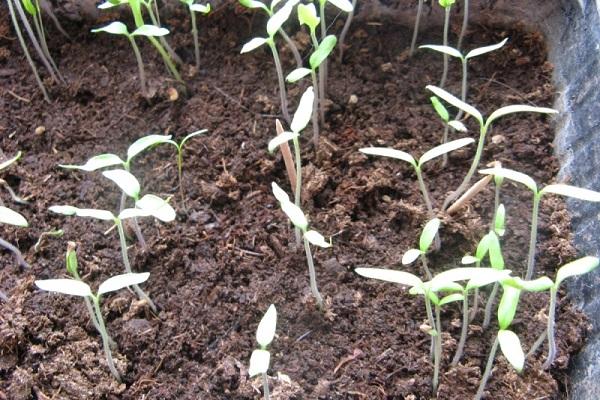
The topic of tomato germination—how long it takes for seeds to germinate—is a pressing concern for gardeners. After all, this determines the timing of planting seedlings in the ground and the time it takes for ripe, juicy fruits to emerge. It's no coincidence that seeds are carefully sorted before planting, separating weak, unviable seeds from large, healthy ones. Experienced gardeners meticulously select soil mixes for seedlings, understanding that this will determine the timing of growth and harvest.
It is equally important to maintain the optimal combination of humidity and temperature, and, once the seedlings have sprouted, lighting.
Quality of planting material
Much has been said about seed selection, but apparently not enough. If you rely on purchased seed, it must be of the highest quality. It must be suitable for the future "location" (region) in terms of climate zone and ripening time. If you use "home-prepared" tomatoes, that is, seeds from tomatoes harvested in your own garden, they must be dried and sorted, keeping in mind the critical nature of shelf life.
Seeds lose their quality over time. This also applies to store-bought seeds, the expiration date of which is indicated on the packaging. On average, fresh, one-year-old seeds germinate in 4 days, while three-year-old seeds germinate in 7 days. Overdried seeds will germinate in approximately 10 days. The smaller and more diseased the seed, the lower its chances of germination.
What kind of soil is needed?
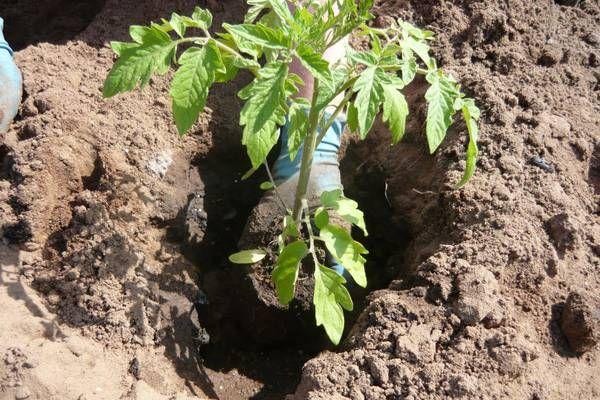
Virtually everything present (or absent) in the soil affects the future of the plant, its growth, and the size and flavor of its fruit. Acidity of no more than 6.5 units on the standard pH scale is one of the fundamental factors for success. Sandy loams are more suitable than loams. Excessively rich soils are diluted with river sand.
Adding organic matter—compost or humus—is essential. Fertilize carefully, ensuring the fertilizer is well-rotted. Suitable minerals include superphosphates and potassium complexes. Loosening and tilling the soil is essential to ensure oxygen reaches the seeds and future root system.
Germination conditions
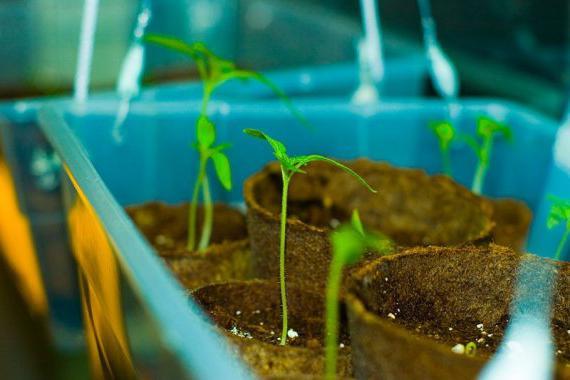
Providing the right conditions for embryonic development is crucial for future tomatoes. These include temperature (development is slowed in cold soil), humidity, seedling light, and soil density. Failure to meet even one of these conditions will immediately impact the results.
Temperature: Tomato seed germination rate chart at different temperatures
The germination time for planted seeds is determined in various ways: by agronomists' forecasts or by verified data. To learn how tomatoes are developing and how to manage the process using ambient temperature, it's easy to use the following table:
| Temperature range, degrees | Germination time of seedlings from the moment of planting, days |
| 12-15 | 15-17 |
| 18-19 | 8-9 |
| 22-25 | 4-6 |
As the data shows, tomato seeds germinate faster at temperatures up to 25 degrees Celsius. This is one way to speed up seedling development and get seedlings earlier.
Humidity
Moisture content of the soil (and seed coat) affects germination, that's a fact. A balance is essential: ensuring the tomato plant doesn't dry out while still maintaining a healthy soil mixture. Otherwise, rot and disease can develop. A moisture content of 70% is considered optimal; it shouldn't be lower than that.
Take a look Also
Lighting
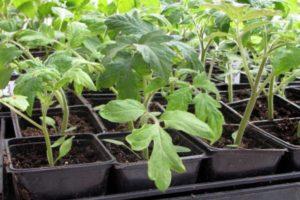
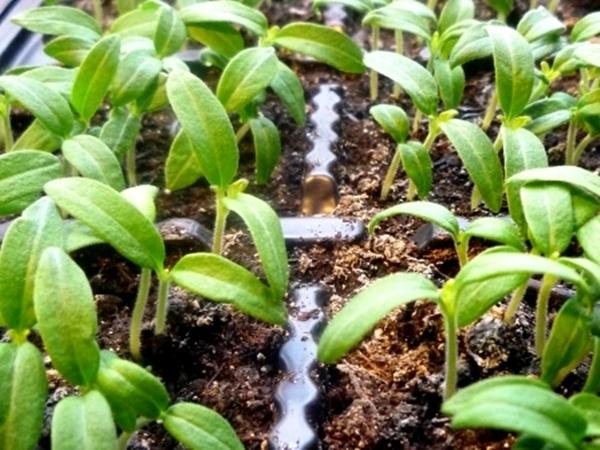
Plants need light to function in their biochemical factories, which produce chlorophyll. Tomatoes are light-loving plants, particularly requiring controlled amounts of solar energy. Without it, seedlings will not grow and ripe, healthy fruits will not develop. Therefore, as soon as the seedlings sprout and the first leaves appear, the plant will need light. This is provided by natural (sun) or artificial (lamps, lighting) sources.
Preparing the seeds
In the early stages of tomato planting, preparing the seed is essential. It must be viable, high-quality, and have a good germination rate. To avoid common mistakes made by novice gardeners, simply follow the steps below.
What you need to know about choosing seeds
Every seed is different. This applies to variety (early, mid-season, late), regional suitability, shelf life, and size. Tomatoes grown in southern regions may fail to germinate in the Ural climate, while greenhouse tomatoes will struggle to thrive in open ground. Therefore, a careful study of the tomato's "pedigree" is essential: fruiting conditions, suitability of the variety for the proposed climate, and shelf life.
Seeds obtained from random sources will yield unpredictable results: from zero to infinity. The same applies to overly old seed. In short, it's not worth skimping on seed quality.
Checking the expiration date
The shelf life (ability to germinate) of seeds is several years. However, one-year-old seeds germinate better than three-year-old ones. This is easy to check: the information is always indicated on the packaging.
The difference between good and bad seed
To the uninitiated, all seeds seem identical. This is not true. Good seeds will certainly germinate, while poor seeds will likely be nothing more than duds. They also differ in appearance—in size, shape, and color. It's easy to test a seed's germination even at home, without any special equipment.
How to check the germination of tomato seeds
Products from reputable manufacturers require no advertising or testing: out of two dozen seeds, at most one or two will fail to germinate. These are high rates. But what if the germination rate is questionable (unknown)?
A simple test involving immersion in a weak salt solution will give a definitive answer. Heavy, healthy seeds will sink to the bottom, while empty ones will float. The same can be done using potassium permanganate. If you have nothing else at hand, place the seeds in clean water and measure the results after 20 minutes.
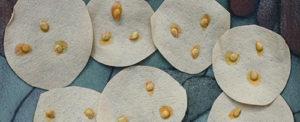
The longest method involves germination: the seeds are laid out on a clean cloth or cotton pad. Then, afterward, the germination rate is determined.

How to treat seeds before planting
If you need to quickly grow high-quality seedlings, you'll need to use seed treatment. The simplest method involves soaking. It's nothing complicated—just soak the seeds in clean water for 24 hours (no longer). Treating them with potassium permanganate disinfects them and increases the chances of success. Special growth stimulants (Epin, Energen, Immunocytophyte, aloe vera juice) are also helpful.
Soaking in melted (or frozen) water is very effective. This can revive even old, hopelessly dried-out seeds. Bubbling (oxygenation) is also used. To do this, the seeds are placed in a container of water and pumped with a pump similar to an aquarium pump.
Disinfection
This is done using a weak solution of potassium permanganate or by treating the plant with a special solution. The advantage of the first option is that it is completely harmless to humans and helps the plant strengthen and rid itself of spores and microorganisms.
Take a look Also
Hardening
The method involves treating pre-selected, viable seeds with cold. The temperature depends directly on the plant species. For tomatoes, it's 24 hours. The swollen seeds are first kept for 18 hours at temperatures ranging from 1 to -30 degrees Celsius, then for another 6 hours at 15-18 degrees Celsius. This method is effective, but if unsuccessful, the seeds will be irreparably spoiled.
Soak
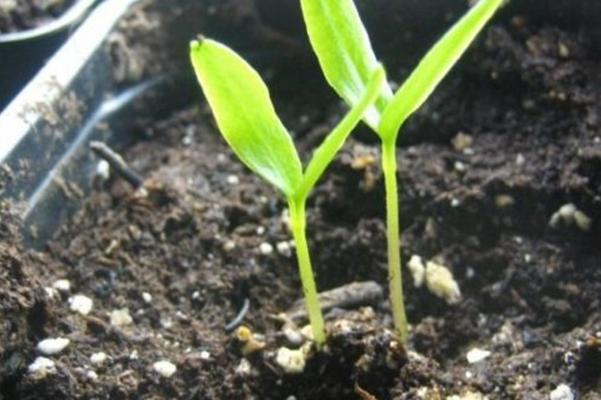
A simple but effective method will increase tomato germination. The seeds are immersed in water for 24 hours. Better results are achieved by using structured water rather than regular water. To do this, freeze the water in the refrigerator and then re-thaw it. Pre-selected tomato seeds are then soaked in the resulting liquid.
Germination
An old, tried-and-true method: Spread the seeds on a damp cloth (or cotton pad) and wait for them to sprout. Then plant them in the soil.
Why aren't tomatoes sprouting?
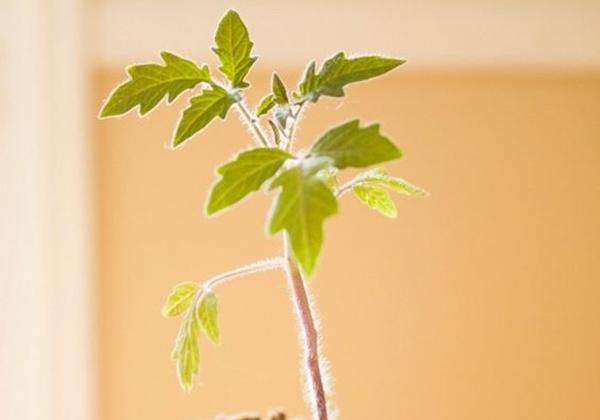
If something goes wrong and your tomatoes haven't sprouted, you need to look for the cause. Sometimes "long" is an abstract concept, especially if the seeds are old or if one of the important conditions—moisture, soil composition, temperature, planting depth, and others—isn't met. The exact time it takes for a seed to germinate depends on its viability, the availability of nutrients, and the tomato variety.
Seed infestation
Diseased, infected seeds take longer to germinate, developing into weak plants. Therefore, the preliminary preparation stage involves sorting and treatment with potassium permanganate or hydrogen peroxide.
Dense soil
A thick soil layer that impedes growth is another cause of delayed germination. This can be avoided by thoroughly breaking up the soil before planting.
Sowing too deep
An old gardening rule is: sow at a depth equal to three times the seed's size. Sometimes this happens accidentally, if watering occurs after planting (as all sources and experts recommend), rather than before.
Low temperature
Temperature imbalances also lead to delays in germination. If the temperature is close to 10 degrees Celsius, the seed may not germinate at all. Therefore, lowering the temperature below 12 degrees Celsius is not recommended.
Increased toxicity levels
"Dirty" soil, saturated with foreign matter, especially with hydrocarbons (oils, gasoline) and heavy metals, is unlikely to promote normal tomato growth. This should be kept in mind when preparing the soil for seedlings.
Related posts:
 Is it possible to soak treated cucumber seeds before planting and how to do it correctly?
 Basic rules for growing and caring for dill: how many days it takes for it to sprout, how it grows, and when it ripens into greens
 Carrot care guidelines for outdoor cultivation to ensure a good harvest
 How to prepare tomato seeds for planting seedlings
 Corn sowing rules and regulations, how to plant and prepare seeds
 Why didn't the carrots sprout and what should I do? How to plant them so they sprout quickly?
 How to properly plant peas in a greenhouse and open ground
 Description of the Exhibition onion variety, growing from seedlings, planting and care