
The Tmag 666 f1 tomato was developed by Chinese breeders. It is recommended for cultivation on large farms with large acreages. This hybrid has excellent flavor. In private gardens, this tomato can be grown in greenhouses and open ground. Due to its small bush size, it can be grown indoors. The fruits of this variety are used fresh.
Technical data of the plant and its fruit
The characteristics and description of the Tmag variety are as follows:
- The first harvest can be obtained 90 days after planting the seedlings.
- The height of a tomato plant ranges from 0.3 to 0.7 m. The leaves on the stems are large and green. They effectively protect the ripe fruit from ultraviolet radiation.
- Tomato Tmag has a strong stem and a well-developed root structure.
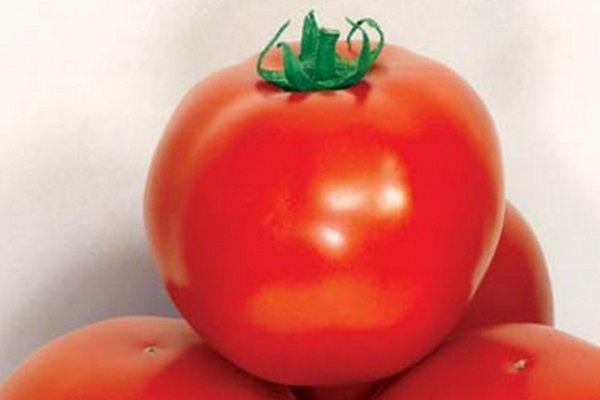
- The fruits of this plant are spherical and brightly colored in shades of red. Ripe berries lack the green spot near the stalk.
- Fruit weight ranges from 0.26 to 0.3 kg. By following all agricultural practices, farmers can achieve first-harvest berries weighing up to 0.4 kg. The berry flesh is juicy and firm.
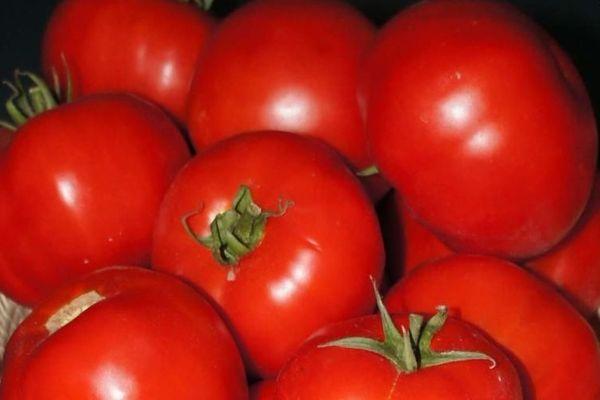
Reviews from gardeners growing this tomato variety indicate that its yield is 6-7 kg of berries per square meter of garden bed. Some gardeners manage to obtain a yield of 7.5-8 kg of berries per square meter. Farmers note the plant's resistance to diseases such as verticillium wilt, Alternaria canker, and yellow wilt. Growing this tomato is not difficult, even for a novice gardener.
Due to the dense flesh, the fruits can withstand long transportation. In a cool room, the berries can be stored for up to 30 days. In Russia, it is recommended to grow this type of tomato outdoors in the Krasnodar Krai and other southern regions.
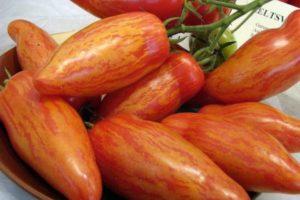
If a farmer lives in central Russia, then an unheated plastic greenhouse will be needed to grow the plant. In Siberia and the Far North, this type of tomato is grown in well-heated greenhouse blocks.
How to grow tomatoes in your garden
After purchasing the seeds, they can be immediately planted in seedling germinating boxes, as the manufacturer pre-treats the seed stock with fungicides.
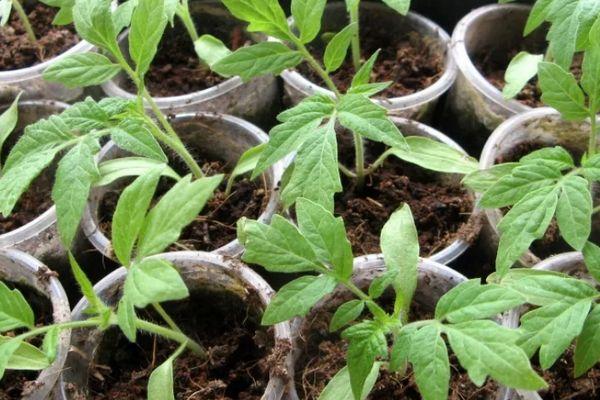
It's recommended to sow the seeds in mid-March. To do this, compact the soil first and cover it with peat or a 10 mm layer of soil. Place the seeds 15 mm deep in the soil and water them with warm water (using a spray bottle). After this, cover the seedling trays with plastic wrap.
To ensure the sprouts emerge simultaneously, it's recommended to place the containers with the seedlings in a sunny location. Once the shoots emerge, remove the plastic wrap. The temperature in the room with seedlings should be maintained at +18…+20°C.
After 1-2 leaves appear on the sprouts, the plants are pricked out. The seedlings are transplanted into individual containers filled with special tomato soil, pre-fertilized with mineral fertilizers such as superphosphate. The plants are transplanted into permanent soil in an open area or greenhouse when the seedlings are 33-45 days old.
The planting pattern for this tomato variety is 2-3 plants per 1 m² of bed. To prevent the branches from breaking off as the fruit ripens, they are tied to sturdy supports. The plant shapes itself, so there's no need to pinch off the tops.
It is recommended to pluck the lower leaves from the bushes every 6-7 days. This should only be done on sunny days. Weeding, hilling, and watering the plants with warm water are essential. To retain soil moisture, loosen the soil under the bushes after each watering. If tomato plants are grown in a greenhouse, regularly ventilate the room to ensure adequate air circulation.
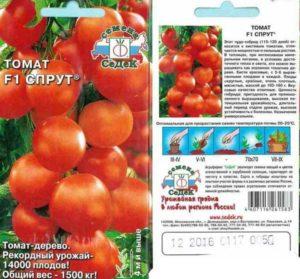
Fertilize the bushes three times during the growing season. Organic and mineral fertilizers containing nitrogen, potassium, and phosphorus are used for this purpose. To protect the plants from diseases, they are treated with fungicides, and infected leaves are removed from the bushes. If garden pests attack the tomatoes, it is recommended to eliminate them using chemicals or folk remedies.
Related posts:
 Description of blight-resistant tomato varieties for open ground and greenhouses
 Carrot care guidelines for outdoor cultivation to ensure a good harvest
 How to propagate and grow peas, cultivation technology, and care in open ground
 Causes and treatment of eggplant pests and diseases, how to combat them at home
 How to properly plant peas in a greenhouse and open ground
 Growing and caring for hazelnuts in open ground, rules for planting hazelnuts
 Description of the best varieties of black tomatoes for open ground and greenhouses
 Description of the best tomato varieties for pickling and canning