
The Barnaul Canning tomato is a variety bred in Altai. It's adapted to the variable weather conditions of Western Siberia and the Urals, making it suitable for cultivation throughout Russia. Its low-growing plants are easy to grow in greenhouses, hotbeds, and open ground.
Characteristics and description of the variety
This determinate, low-growing variety grows to just 50 cm, so most gardeners don't tie up Barnaul Canning tomatoes. The plant doesn't require side shoots or pinching when grown outdoors.
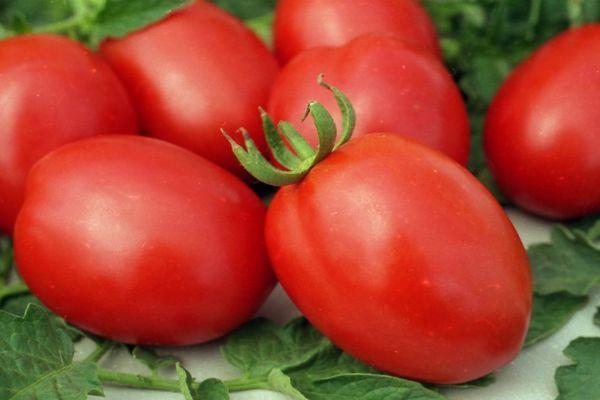
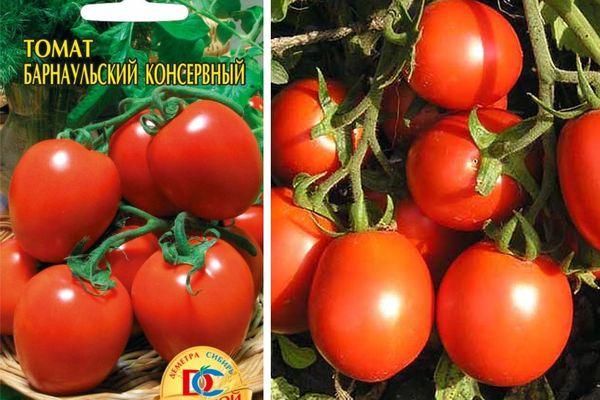
The Barnaul Canning variety tolerates temperature fluctuations in midsummer well. Fruit set continues uninterrupted, even during dry heat and prolonged rains. The variety produces high and consistent yields: each bush produces 4-6 clusters bearing up to 12 identical ovaries. Ripe fruit weighs approximately 50 g. Up to 10 kg of marketable fruit can be harvested per unit area.
The Barnaul Canning variety is considered an early-ripening variety. The first ripe tomatoes appear in mid-July (95-105 days after germination), and mass ripening begins two weeks later. This allows for a large quantity of uniform, calibrated tomatoes at approximately the same stage of ripeness, which is very convenient for canning.
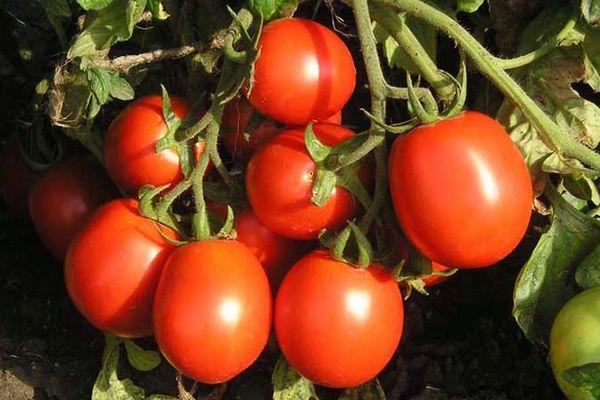
Barnaul tomatoes are virtually disease-resistant. They are resistant to mosaic virus and macrosporiosis, and the entire crop can be harvested before late blight appears. Even in cold seasons with abundant rainfall, tomatoes are rarely affected by diseases and ripen well indoors if they are picked unripe.
Description of the Barnaul tomato fruit
Canning tomato varieties are characterized by their small size, evenly spaced ovaries, and a shape convenient for jarring. Barnaul Canning is no exception: the tomatoes are slightly heavier than the average (50 g), have a round, unribbed shape, are slightly elongated, and are bright red.

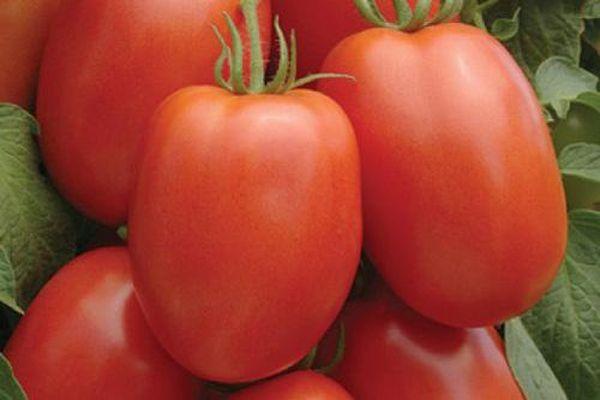
The skin of Barnaul canned tomatoes is exceptionally strong. This is an important advantage for pickling varieties: the skins do not crack even after repeated immersion in boiling water. Ripe tomatoes can be easily transported to the city without worrying about damaging the tough skin.
The pulp is meaty and dense. The seed chambers are large but contain only a small number of seeds. The flavor is average: the tomato is designed for processing, so its taste can be described as classic. The pulp has low sugar and dry matter content, and its aroma is moderate.
The primary purpose of the Barnaul Canning variety is reflected in its name. This is an excellent pickling tomato, which retains its shape and consistency during whole-fruit canning. It is quite decorative and pairs well with other vegetables when making platters. These tomatoes can be processed into juice and sauces: the vibrant color of the flesh allows for a well-colored, tasty product. Smaller tomatoes can be dried.
Early-ripening Barnaul Canned Tomatoes are also perfectly suitable for fresh consumption. They're easy to stuff and are great in salads or sliced.
How to grow a good tomato crop?
To ensure the variety description matches the yield a gardener can expect from their plot, tomatoes need to be grown properly. In Russian conditions, only seedlings are suitable for growing tomatoes. The quality of the planting material often determines the final result.
To obtain good seedlings, Barnaulskie Canned tomatoes are sown two months before planting. When the seedlings develop one or two true leaves, they are pricked out. The seedlings of this low-growing variety tend to stretch considerably, so it's best to plant them in separate pots. As the leaves of adjacent tomatoes grow and close together, move the pots further apart.
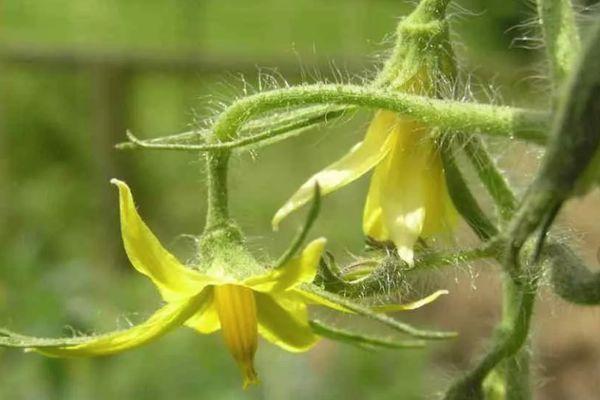
If the seedlings have become elongated, it's best to transplant them horizontally to their permanent location. Dig a trench about 20 cm deep along the bed, and carefully arrange the seedlings so that their tops face north. Fill the trench with soil, leaving the tops of the tomatoes 15-20 cm above the surface.

Gardeners' reports indicate that some plants may develop flower clusters or even the first buds by the time they're replanted. If this happens, you can bury the stems up to these clusters. It is better to remove the first ovary, as it interferes with the growth of other fruits, but does not ripen before all the others.
Further care consists of watering young plants regularly. Water as the soil dries out to a depth of 2-3 cm.
Related posts:
 Description of the best tomato varieties for Transbaikalia, their planting times and care
 Description of the best tomato varieties for open ground in the Moscow region
 Description of the best varieties of black tomatoes for open ground and greenhouses
 11 Best Recipes for Preserving Tomato Slices for Winter
 TOP 17 recipes for pickled sweet tomatoes for the winter
 Delicious recipes for canned tomatoes with honey for the winter, preparation steps
 What varieties of tomatoes are best to plant in a polycarbonate greenhouse?
 Recipes for amazing tomatoes in jelly for the winter, with and without sterilization, you'll lick your fingers
To get better results the best remedy is BioGrow, it’s really cool, and it pleases with its final result, because the harvest increases by 30-40 percent.